
Health
Australian Researcher Who Tested Revolutionary Brain Tumour Treatment on Himself Dies

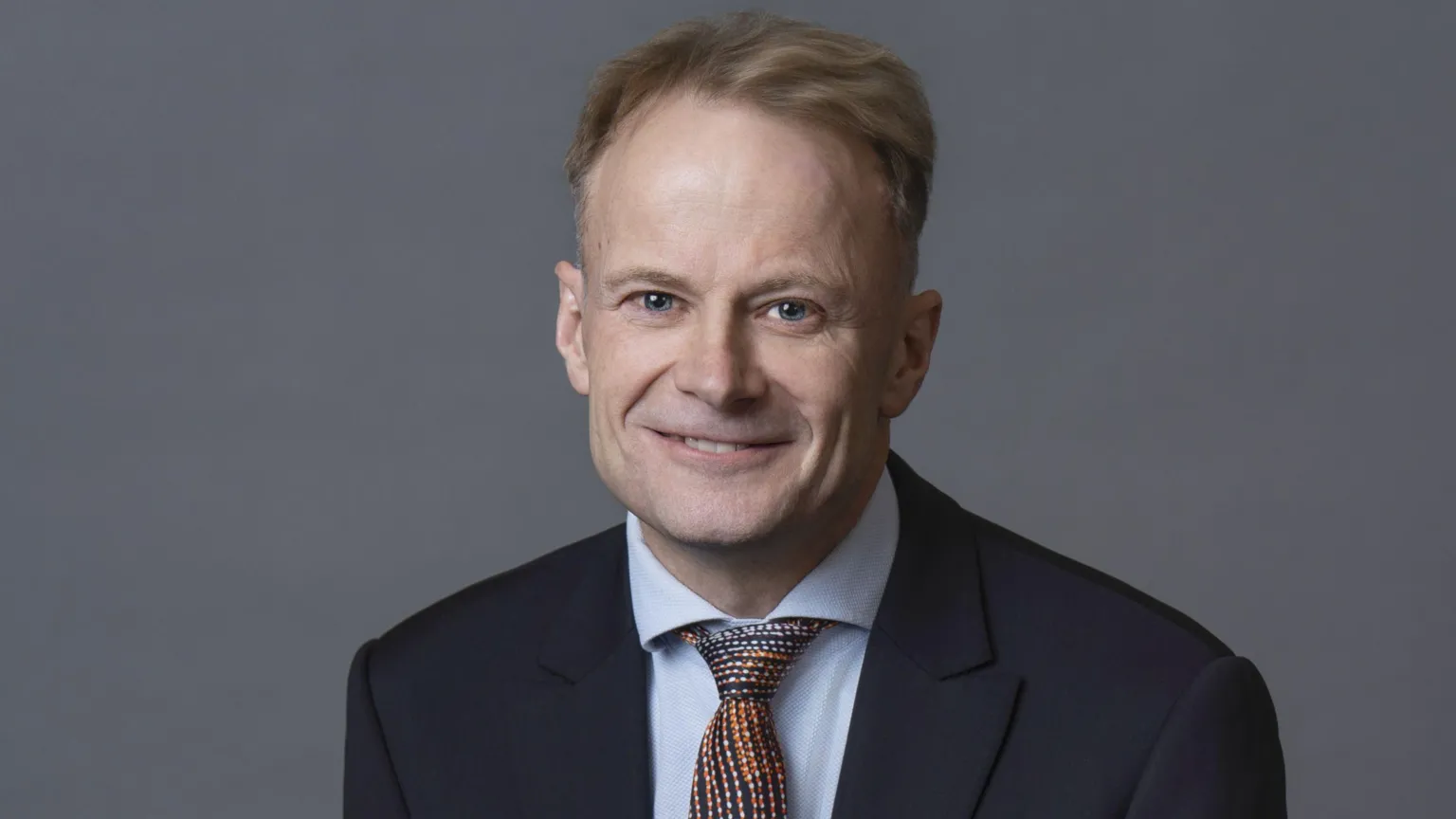
Professor Richard Scolyer, the acclaimed Australian doctor and cancer researcher who became the first person in the world to undergo an experimental immunotherapy treatment for glioblastoma before brain surgery, has died at the age of 59 after a nearly three-year battle with aggressive brain cancer.


Scolyer, a globally respected melanoma pathologist and co-director of the Melanoma Institute Australia, was diagnosed with glioblastoma in June 2023 while travelling overseas. Doctors initially gave him only six to eight months to live due to the severity of the disease, one of the deadliest forms of brain cancer.
Rather than accepting conventional treatment alone, Scolyer volunteered to become the first patient to receive a groundbreaking therapy based on melanoma immunotherapy research that he had helped pioneer. The treatment involved administering combination immunotherapy before surgery to remove the tumour, followed by additional personalized therapies. His case attracted worldwide attention and later became the basis for broader clinical research into new treatments for brain cancer.
The experimental approach significantly exceeded expectations. Despite the grim prognosis, Scolyer survived for almost three years after his diagnosis and continued working, advocating for cancer research, and sharing updates about his condition with the public. In 2024, he and fellow researcher Georgina Long were jointly named Australians of the Year for their contributions to cancer treatment and medical research.
Throughout his career, Scolyer helped transform advanced melanoma from a largely fatal disease into one that is often treatable through immunotherapy. He authored more than 800 scientific publications, co-founded one of the world’s largest melanoma biobanks, and served on international cancer classification and research bodies. His work has been credited with improving survival outcomes for thousands of patients worldwide.
In a farewell message prepared before his death, Scolyer encouraged researchers to remain bold and innovative and urged cancer patients to consider participating in clinical trials. He also called on governments and communities to continue investing in scientific and medical research.
Tributes have poured in from medical professionals, political leaders, and patients across Australia and beyond. Many described him as a visionary scientist whose willingness to test a revolutionary treatment on himself may help shape the future of brain cancer care.
Professor Scolyer is survived by his wife, Dr. Katie Nicoll, and their three children. His legacy is expected to endure through the research pathways he helped create and the hope he offered to countless cancer patients around the world.