
Health
Ebola Death Toll in Congo Climbs Above 930 as Health Workers Among Victims

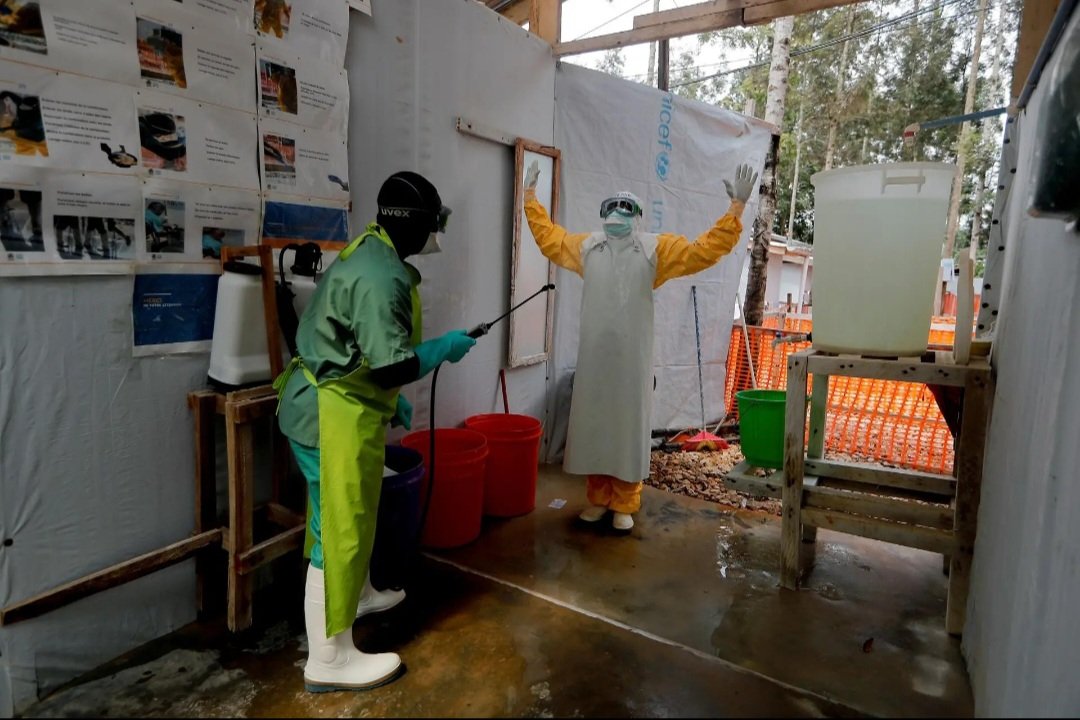
The Democratic Republic of Congo (DRC) is facing a worsening public health emergency as the death toll from the country’s latest Ebola outbreak has risen to at least 930 people, including dozens of healthcare workers who contracted the virus while treating patients. The growing toll has heightened concerns among international health agencies, which warn that continued transmission could further strain the country’s already fragile healthcare system.

According to health officials and humanitarian organizations operating in the region, thousands of suspected and confirmed cases have been recorded since the outbreak began. The disease has spread across several affected communities, with health authorities working to trace contacts, isolate cases and expand treatment capacity.
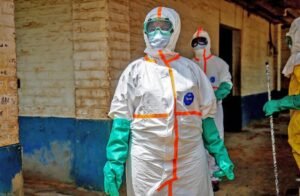
The outbreak has proven especially devastating for frontline medical personnel. Doctors, nurses, laboratory technicians and community health workers have been among those infected, highlighting the risks faced by healthcare teams operating in challenging conditions. Experts say the loss of trained medical staff not only increases fatalities but also weakens the broader response effort.
Ebola is a highly infectious viral hemorrhagic fever that spreads through direct contact with bodily fluids from infected individuals or contaminated materials. Symptoms often begin with fever, fatigue, muscle pain and headaches before progressing to vomiting, diarrhea and, in severe cases, internal and external bleeding. Without prompt treatment, the disease can be fatal.
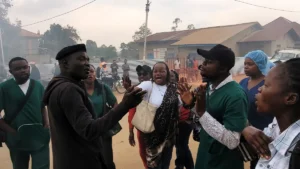
The World Health Organization (WHO) and other international partners have expanded support for Congolese authorities through vaccination campaigns, treatment centers and surveillance programs. Health teams are also working to educate communities about prevention measures and the importance of reporting symptoms early.
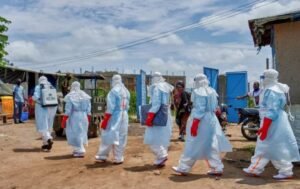
Despite the availability of vaccines and improved treatment methods developed during previous outbreaks, responders continue to face significant challenges. Armed conflict, population displacement, poor infrastructure and mistrust of health authorities in some communities have complicated efforts to contain the virus. In certain areas, insecurity has restricted access for medical teams attempting to reach affected populations.
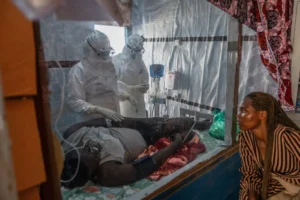
Public health experts note that the DRC has experienced multiple Ebola outbreaks over the past several decades and has developed substantial expertise in responding to the disease. However, the scale of the current crisis and the continuing loss of healthcare workers have raised fears that containment efforts may require additional international assistance.
The economic and social consequences of the outbreak are also becoming increasingly evident. Schools, markets and businesses in affected regions have experienced disruptions, while families have struggled with the loss of loved ones and the stigma sometimes associated with the disease. Aid organizations warn that prolonged transmission could further worsen humanitarian conditions in vulnerable communities.
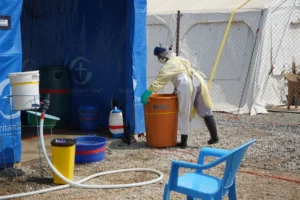
Health officials continue to urge vigilance, emphasizing that early detection, rapid isolation of cases, vaccination of contacts and strict infection-control measures remain the most effective tools for stopping the spread of Ebola. As the death toll continues to rise, authorities are calling for greater support from international partners to help prevent the outbreak from expanding further.