
Health
Kenya Confirms First Ebola Case After Man Returns From Congo, Dies in Nairobi

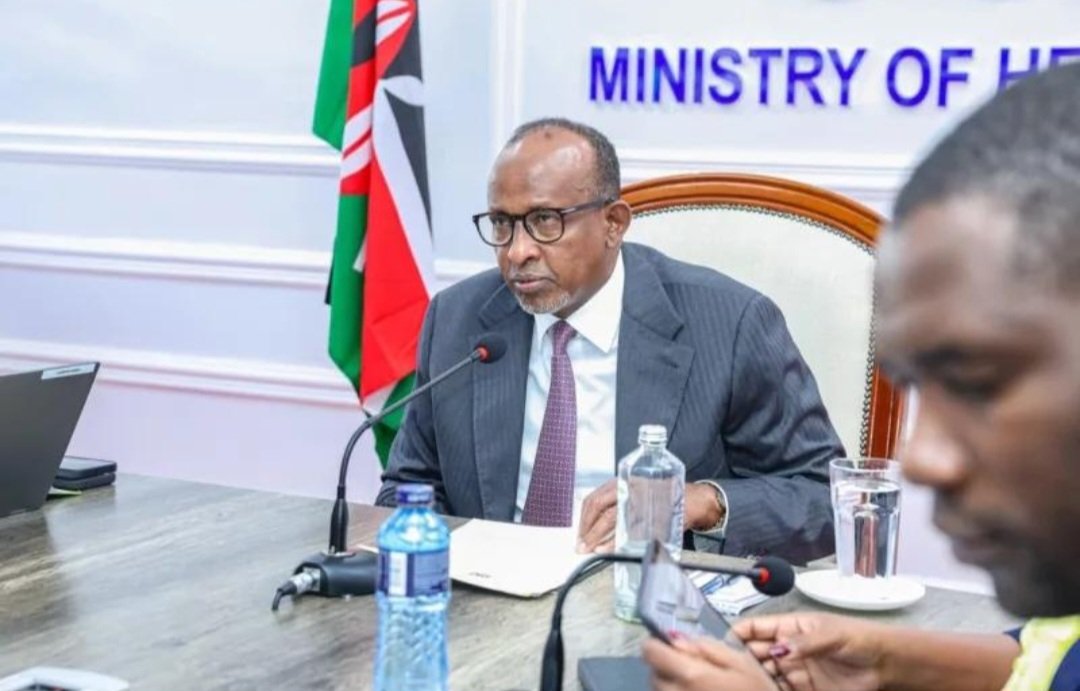
Kenya has confirmed its first-ever case of Ebola after a Kenyan man who had been living in the Democratic Republic of Congo (DRC) died in Nairobi, prompting an urgent contact-tracing operation.
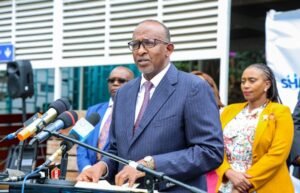
Health Cabinet Secretary Aden Duale announced the case on Tuesday, October 6, saying the man had lived in the DRC for seven years and had been ill for about a month before travelling to Kenya.
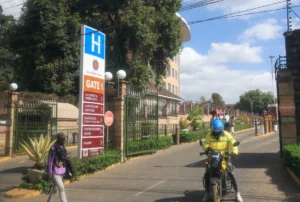
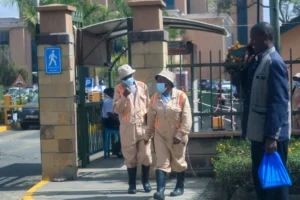
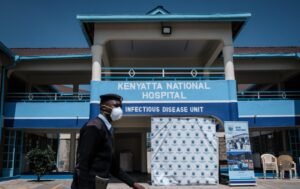
The patient travelled by road from the DRC to Kampala, Uganda, on October 2 before boarding a flight to Nairobi on October 3. He was taken to Nairobi Hospital by relatives after arriving in Kenya and was quickly isolated after showing symptoms. Laboratory tests conducted by Kenya’s National Virology Reference Laboratory and the Kenya Medical Research Institute confirmed Bundibugyo virus, a species of Ebola.
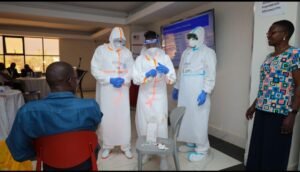
Despite receiving supportive treatment, the man died on the night of October 5. His burial was carried out under Kenya’s safe and dignified burial procedures designed to prevent further transmission of the virus.
Kenyan health authorities have so far identified 28 people who had contact with the patient, including relatives and healthcare workers who cared for him. Officials are also tracing 23 passengers and four crew members who travelled on the same flight from Uganda to Nairobi. Contacts considered at risk are being monitored and will remain under follow-up for 21 days.
The case has raised questions about how the patient passed through travel screening despite being ill. Kenya’s Health Ministry director-general, Patrick Amoth, said medication may have masked some of his symptoms during screening. Authorities are also seeking more information about how he crossed from Congo into Uganda, whose land border with the DRC has been closed since May.
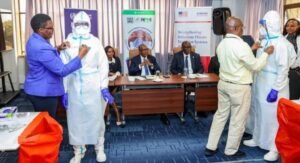
The World Health Organization said Kenya had already been strengthening its preparedness for the virus since May. By October 6, the country had screened more than 652,000 travellers, tested 267 suspected samples and trained about 5,000 health workers in Ebola prevention and management. WHO has also supplied Ebola testing kits and personal protective equipment to high-risk counties.
Africa CDC said it was sending a high-level multidisciplinary team to Kenya to support the response, while WHO is working with Kenyan and Ugandan authorities on surveillance and containment. Both organisations have stressed the importance of cross-border information sharing and rapid identification of potential cases.
Kenya is the fourth country to report a case linked to the current Bundibugyo virus outbreak, after the Democratic Republic of Congo, Uganda and France. Uganda recorded 20 cases and two deaths earlier this year before being declared Ebola-free in August, while France reported a travel-related case in June.
The outbreak in the DRC, which was officially declared in May, has spread to seven provinces. More than 8,000 cases and over 4,000 deaths have been reported, making it the country’s largest and fastest-growing Ebola outbreak. Health responders have faced challenges including insecurity, misinformation and limited access to some affected communities.
WHO says Bundibugyo virus disease spreads through direct contact with the blood or bodily fluids of an infected person or contaminated materials. There is currently no approved vaccine or specific treatment for the Bundibugyo strain, although candidate products are being evaluated in clinical trials.
Kenyan authorities have urged the public to remain calm and rely on official health information while surveillance and containment measures are intensified at borders and other points of entry.