
Health
France Reports First Human Case of Shamonda Virus as Patient Dies


French authorities have confirmed the first documented human infection with the Shamonda virus after a severely immunocompromised patient died in early October, prompting further investigations into a virus previously known to affect animals.
The French ministries of health and agriculture announced the case on Thursday, October 22, saying the patient had been receiving treatment for a serious underlying illness at a hospital in Lyon. The patient developed neurological complications that preliminary findings suggest were likely linked to the infection.

Authorities described the case as exceptional because the virus had not previously been documented in humans despite circulating among animals for decades. They stressed that no health risk to the general population had been identified at this stage.
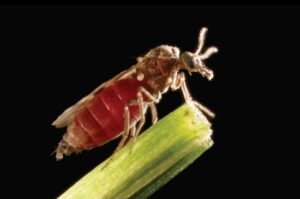
Shamonda virus belongs to the orthobunyavirus group and is primarily associated with livestock, particularly cattle. It is transmitted by infected biting midges of the Culicoides genus. In cattle, infection can cause fever, diarrhoea, lethargy and reduced milk production.

The virus was first identified in Nigeria in the mid-1960s and has since been reported sporadically in animals in parts of Africa and Japan. It was detected in European farm animals for the first time in 2026, with cases reported in several countries.
French authorities said the leading hypothesis was that the patient acquired the infection through the bite of an infected midge in eastern France, where the virus had circulated among animals during the spring and summer. Investigations are continuing to establish how the infection occurred and whether the virus contributed to the patient’s death.
The European Centre for Disease Prevention and Control (ECDC) confirmed it was monitoring the situation and working with French authorities and other European partners to assess the potential public health implications. The World Health Organization has also been notified.
The discovery has raised scientific questions about whether Shamonda virus can infect humans under particular circumstances and whether other human infections may have gone undetected. However, a single documented case does not establish how readily the virus can infect people or whether human-to-human transmission is possible.

French officials reiterated that the case involved a patient with a severely weakened immune system and that current evidence did not indicate a wider health threat to the public.
Further clinical, biological and epidemiological investigations are under way, with authorities using a One Health approach that considers human, animal and environmental health together.