
Health
Can One HPV Vaccine Dose Protect Against Cancer? What the Evidence Shows

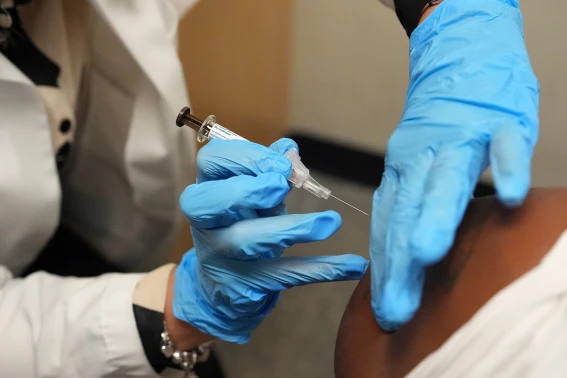
Health experts are debating whether one dose of the human papillomavirus (HPV) vaccine can provide enough protection for adolescents, as vaccination recommendations in the United States remain under review.
HPV is a very common infection and certain types can cause cervical cancer as well as cancers of the anus, penis, vulva, vagina and parts of the throat. The virus is also responsible for most cases of genital warts. The HPV vaccine has been used for about 20 years and studies have continued to show strong protection against HPV-related disease.
For years, U.S. health authorities recommended two HPV vaccine doses for children who began vaccination before their 15th birthday, with the injections separated by six to 12 months. Those who began vaccination at age 15 or older were generally advised to receive three doses.
That guidance became the subject of renewed debate after U.S. health officials moved in January to recommend a single HPV dose as part of a broader revision of the childhood vaccination schedule. The change was subsequently challenged in court, adding to uncertainty over which federal recommendations should guide doctors and families.

Medical groups have continued to examine whether a one-dose schedule could provide protection comparable to two doses. A major study involving more than 20,000 girls in Costa Rica found that a single dose provided about 97% protection against persistent cervical HPV infection over the study period, with results comparable to a two-dose regimen.
Researchers caution, however, that evidence from one-dose studies does not answer every question. There is less evidence on protection against the full range of HPV-related cancers, particularly among boys, and experts are still examining how long protection from a single dose lasts.
The World Health Organization has already adopted a more flexible position. Its HPV vaccine guidance allows a one- or two-dose schedule for girls aged 9 to 14 and a one- or two-dose schedule for girls and women aged 15 to 20. WHO recommends two doses six months apart for women older than 21. People who are immunocompromised or living with HIV should receive at least two doses and, where feasible, three.
WHO said 93 countries were using a one-dose HPV vaccination schedule by the end of 2025, while more than 85% of girls aged 9 to 14 who received HPV vaccination globally that year were vaccinated with a single dose.
The question matters because HPV vaccination works best when given before exposure to the virus. In the United States, routine vaccination has traditionally been recommended at ages 11 or 12, although it can begin at age nine. Catch-up vaccination is recommended through age 26 for those who were not adequately vaccinated earlier.
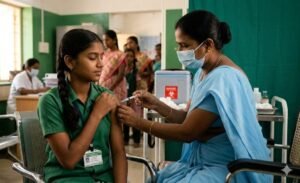
For adults aged 27 to 45 who were not vaccinated earlier, vaccination is not routinely recommended for everyone. Some people in that age group may choose vaccination after discussing their individual circumstances and potential benefits with a healthcare professional.
The latest evidence therefore points to an evolving discussion rather than a simple worldwide switch from two doses to one. While countries including many low- and middle-income nations are increasingly adopting one-dose schedules, U.S. medical experts continue to assess whether a single dose should replace the established two-dose recommendation for adolescents.
Regardless of the number of doses ultimately recommended in a particular country, public-health experts stress that HPV vaccination remains an important tool for preventing HPV infections and cancers associated with the virus.