
Health
Congo’s Ebola Outbreak Surpasses 6,000 Cases as Death Toll Nears 3,000

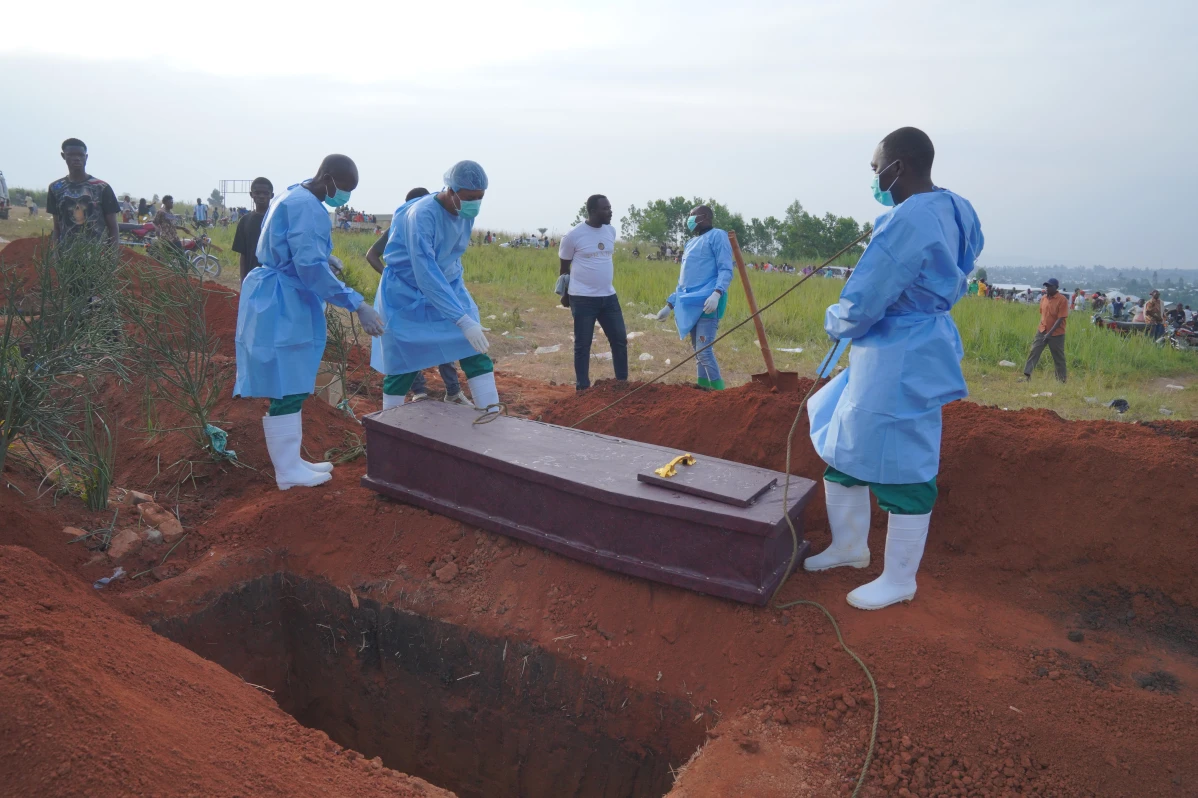
The Democratic Republic of Congo is battling its largest Ebola outbreak on record, with 6,041 confirmed infections and 2,911 deaths reported as of August 31, according to government figures.
The rapidly expanding outbreak, driven by the Bundibugyo strain of Ebola, has spread across six provinces and is placing enormous pressure on an already fragile healthcare system. Reuters and the Associated Press reported the latest figures as health authorities and international partners race to contain transmission.
The current outbreak was first detected in May 2026 in Ituri province. Since then, the virus has spread into several other provinces, including North Kivu, South Kivu, Haut-Uélé and Tshopo.
The World Health Organization has described the outbreak as the largest Ebola outbreak ever recorded in the Democratic Republic of Congo, surpassing the previous record outbreak of 2018–2020, which recorded 3,317 confirmed cases.
One of the biggest challenges confronting health authorities is the strain responsible for the outbreak.
The Bundibugyo virus is different from the Zaire strain responsible for several previous major Ebola outbreaks. There is currently no approved vaccine or specific treatment for Bundibugyo Ebola, although clinical trials and other medical research are underway.
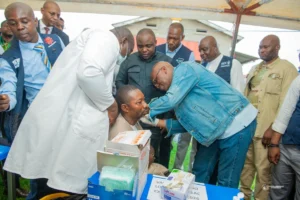
Congo has nevertheless begun using the Ervebo vaccine, which is approved against the Zaire strain, to protect frontline health workers under a compassionate-use programme while researchers investigate its effectiveness against the current virus.
More than 1,360 people have recovered, offering some encouragement amid the rapidly worsening statistics.
The outbreak is unfolding in parts of eastern Congo already affected by armed conflict, displacement and limited access to healthcare.
Large numbers of people have been forced from their homes, while movement between communities and across borders is making contact tracing and disease surveillance more difficult.
WHO previously reported that by the end of July, the outbreak had reached 49 health zones across five provinces, with Ituri accounting for the overwhelming majority of confirmed cases and deaths at that stage.
The latest figures indicate that transmission has continued to accelerate since then.
Health workers are also facing serious risks. Ebola response teams have encountered insecurity and attacks, while strikes by healthcare workers have further complicated efforts to identify cases, isolate patients and conduct safe burials.
The rapid spread has raised fears that the outbreak could become an even larger regional crisis.
Neighbouring countries have strengthened surveillance and preparedness measures, particularly along borders with the Democratic Republic of Congo. Uganda, which also experienced Bundibugyo Ebola cases earlier this year, declared its outbreak over in July but remains vulnerable to imported cases because of continued transmission in Congo.
The WHO has warned that the Congo outbreak could eventually surpass the 2014–2016 West Africa Ebola epidemic, which killed more than 11,000 people, if transmission is not brought under control.
Authorities and international health organisations are now working to expand vaccination, surveillance, laboratory testing, contact tracing and treatment capacity.
But experts say controlling the outbreak will require more than medical supplies. Building trust with affected communities, protecting health workers and ensuring that response teams can safely reach remote and conflict-affected areas will be critical.
For Congo, the latest figures represent a grim milestone: more than 6,000 confirmed infections and almost 3,000 deaths in just months.
With the virus continuing to spread and no approved vaccine specifically targeting the Bundibugyo strain, health officials face an increasingly urgent race to prevent the outbreak from becoming even more devastating.