
Health
Fiji Declares HIV National Crisis, Plans Expanded Testing and Needle Programme

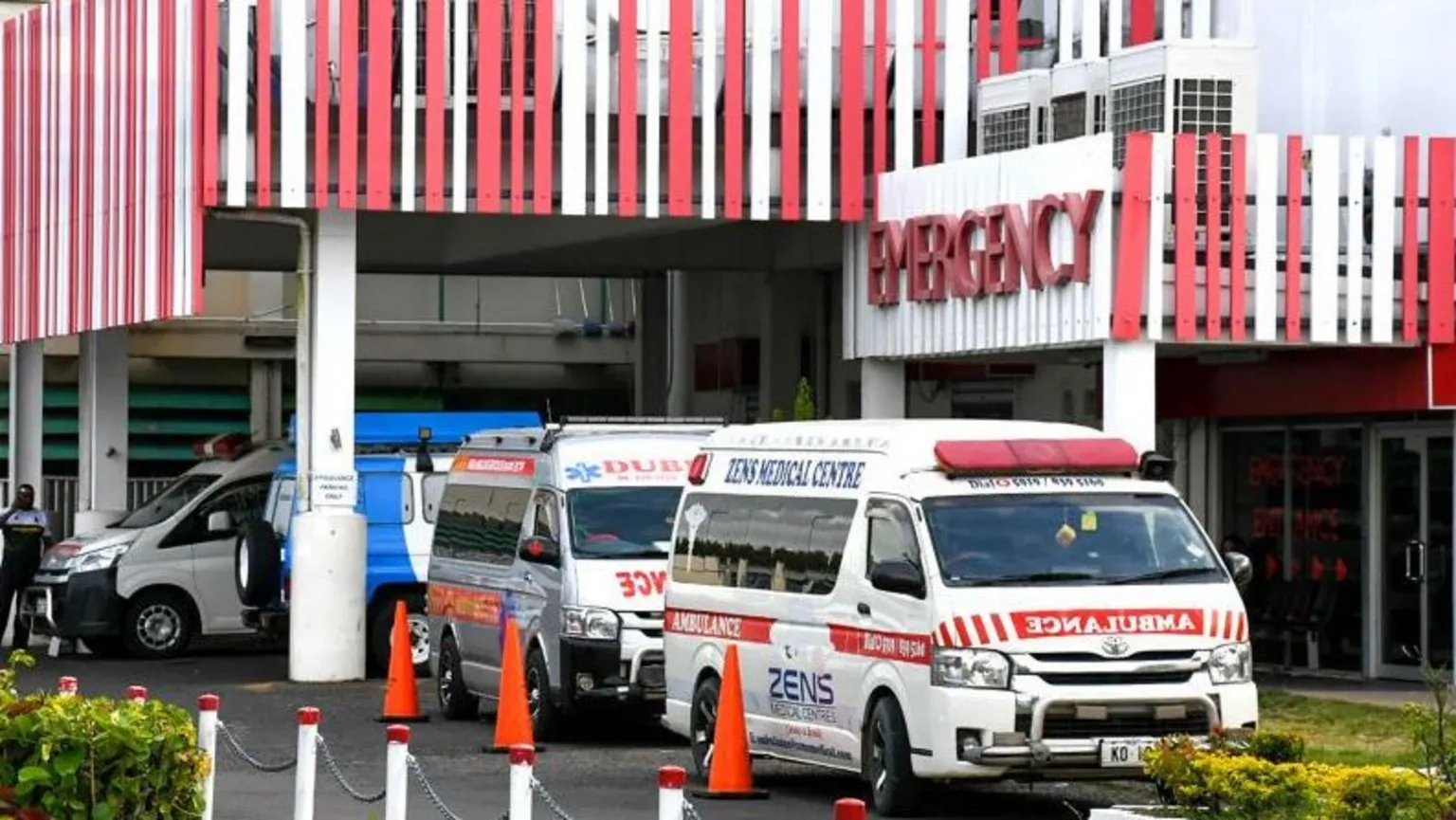
Fiji has declared a national HIV emergency after a sharp rise in infections pushed the Pacific island nation into what health authorities describe as an escalating epidemic.

Health and Medical Services Minister Ratu Atonio Lalabalavu announced the emergency declaration this week, saying an outbreak-level response was no longer sufficient and that the country needed a coordinated national effort.
The declaration followed a Cabinet decision on September 9 and comes as new HIV diagnoses reach record levels. Fiji recorded 2,016 newly diagnosed cases in 2025, a 27% increase from the 1,583 cases recorded in 2024, according to the country’s Ministry of Health.
UNAIDS estimates that about 9,100 people were living with HIV in Fiji in 2025, while only 39% knew their HIV status and 22% were receiving antiretroviral treatment.
The proportion of adults estimated to be living with HIV has also risen sharply. Government estimates put the figure at about one in 60 adults, compared with one in 167 five years ago. The Health Minister also said HIV was estimated to affect about one in 50 pregnant women.
Health authorities and UNAIDS have linked part of the increase to injecting drug use, alongside sexual transmission.
Among cases for which the mode of transmission is known, more than half have been linked to sexual transmission, while more than 42% were associated with injecting drug use, according to UNAIDS.
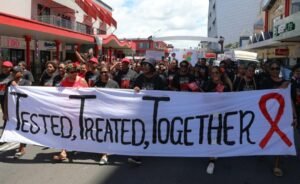
Fiji’s position along regional drug-trafficking routes and increasing methamphetamine use have added to concerns about the spread of HIV through unsafe injecting practices and limited access to sterile needles. Officials and health organisations have also highlighted inadequate testing, stigma and gaps in treatment access as factors complicating the response.
The country’s Ministry of Health has recorded a particularly rapid increase in diagnoses since 2022. In the Central and Eastern divisions, for example, annual diagnoses rose from 135 in 2022 to 1,376 in 2025.
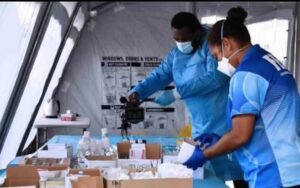
As part of the emergency response, Fiji plans to expand HIV testing, prevention and treatment services.
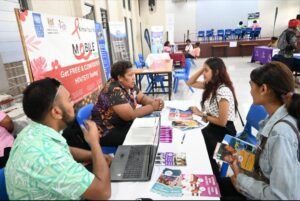
The government has announced wider access to HIV prevention medicines, including pre-exposure prophylaxis (PrEP), while plans are also underway to introduce a formal needle and syringe programme. Legislative amendments are expected to be presented to Parliament to facilitate the programme.
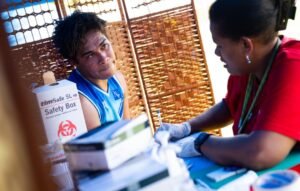
Authorities are also encouraging more people to undergo testing and seek treatment, while stressing the need to reduce discrimination against people living with HIV.
UNAIDS Executive Director Winnie Byanyima welcomed the emergency declaration, saying the rapid rise demonstrated how quickly HIV epidemics can change and the importance of strong health and community systems capable of responding quickly.
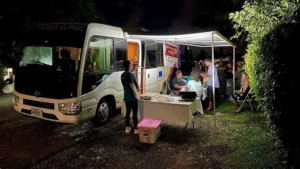
Despite the surge, UNAIDS stressed that the declaration should prompt action rather than fear. The organisation noted that HIV is not transmitted through ordinary day-to-day contact and that people receiving effective treatment who have an undetectable viral load do not sexually transmit the virus.
Fiji’s emergency response will therefore focus not only on identifying new infections but also on expanding treatment, prevention and community-based services as authorities attempt to slow one of the country’s fastest-growing public health challenges.