
Health
WHO Condemns Killing of Nurse, Injury of Health Worker in DR Congo

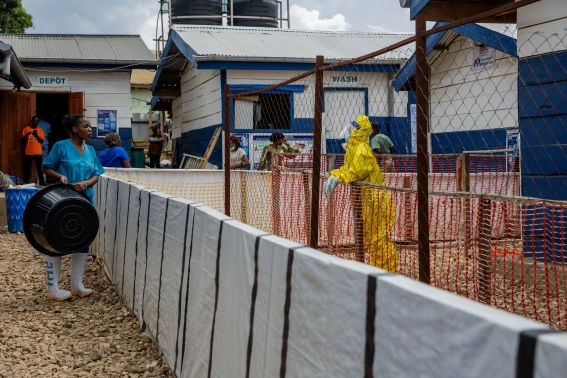
A nurse has been killed and another health worker seriously injured in an attack while responding to an Ebola alert in eastern Democratic Republic of the Congo (DR Congo), raising fresh concerns about the safety of medical personnel battling the country’s deadly outbreak.
The attack occurred on Saturday, October 24, in Bafwasende, in Tshopo Province, according to the World Health Organization (WHO). WHO Director-General Tedros Adhanom Ghebreyesus disclosed the incident in a statement on Sunday, condemning the violence against those working to protect communities from the disease.
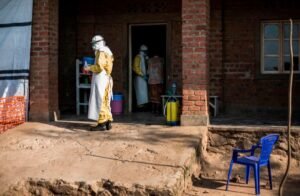
“Everyone working to protect communities from this deadly disease must be able to work in dignity and safety. Healthcare must always be protected,” Tedros said.
WHO Regional Director for Africa, Dr Mohamed Yakub Janabi, also condemned the attack, warning that misinformation and fear must not be allowed to fuel violence against health workers.
Local authorities had not publicly identified the attackers or provided further details about the incident as of Monday, October 26, according to the Associated Press.
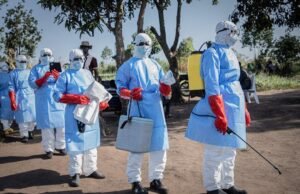
The killing comes as health authorities struggle to contain an Ebola outbreak that has spread across several provinces in DR Congo. WHO reported that, as of October 20, the country had recorded 9,704 confirmed cases of Bundibugyo virus disease and 4,687 deaths.
The outbreak has been complicated by distrust of public health authorities, rumours about the disease and resistance to containment measures. Some residents have reportedly dismissed Ebola as a hoax, while response teams have faced threats, detention and attacks on health facilities.
In a separate incident last month, a Congolese politician was beaten to death in North Kivu after publicly defending the government’s Ebola response and urging residents to observe preventive measures, including handwashing and social distancing. Earlier in the outbreak, two tents at health centres were set on fire in separate incidents.
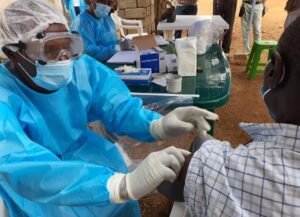
The violence is making it more difficult for medical teams to reach communities, particularly in remote areas already facing shortages of health workers and medical supplies. Such attacks can disrupt case detection, contact tracing, treatment and other measures needed to prevent further transmission.
The outbreak has also become a regional concern. In an October 23 update, WHO reported imported cases in Kenya and Nigeria, underscoring the importance of cross-border surveillance and coordination. Nigeria confirmed an imported case in the Federal Capital Territory, Abuja, according to the agency.
WHO has urged countries to strengthen monitoring, early detection and cooperation while advising against restrictions on travel or trade with affected countries.
The latest attack highlights the risks faced by health workers on the front lines of the response. WHO has called for medical personnel to be protected as efforts continue to contain the outbreak and limit further loss of life.