
Health
US Urges Americans to Reconsider Kenya Travel as Ebola Cases Rise to Eight

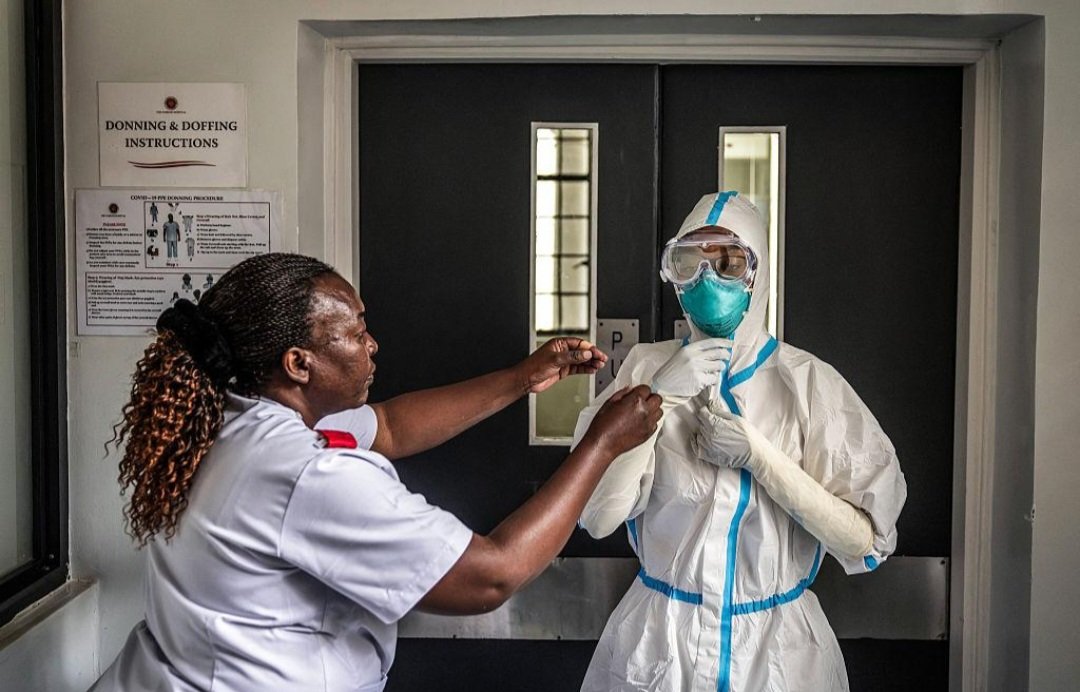
The United States has urged its citizens to reconsider travel to Kenya following an increase in Ebola infections, raising its travel advisory for the East African country amid concerns over the spread of the virus across the region.
The US State Department announced the change on Monday, October 19, upgrading Kenya’s travel advisory from Level 2, which advises travellers to exercise increased caution, to Level 3, which recommends reconsidering travel. The decision was attributed to health risks, alongside existing concerns involving crime, kidnapping, terrorism, civil unrest and road safety.
According to Reuters, the advisory was raised after Kenya confirmed another Ebola infection on Sunday, bringing the country’s total number of confirmed cases to eight.
The outbreak has heightened concern among regional health authorities because of the virus’s spread beyond the Democratic Republic of the Congo (DRC), where a major outbreak has continued to claim lives. Congolese authorities also reported that the outbreak had spread to North Ubangi province, marking the eighth province affected.
Kenya’s first confirmed case involved a 40-year-old man who travelled from the DRC through Uganda and arrived in Nairobi on October 3. He died two days after being admitted to hospital. Subsequent infections included members of his family and healthcare workers who had contact with him.

Kenya’s health authorities have identified approximately 130 contacts linked to the initial patient, with 128 people remaining in quarantine as of October 18. The government has intensified surveillance, strengthened screening at entry points and introduced additional measures to identify possible infections.
The US Centers for Disease Control and Prevention (CDC) has separately issued a travel health notice for Ebola caused by the Bundibugyo virus in Kenya. The agency advises travellers to follow usual precautions, avoid contact with people displaying possible Ebola symptoms and seek guidance from local health authorities if symptoms develop.
The US travel advisory also highlighted limitations in Kenya’s medical services, particularly in rural areas where facilities may lack adequate medicines and equipment.

Despite the heightened warning, the CDC’s health notice recommends usual travel precautions rather than advising against all travel to Kenya specifically because of Ebola. The distinction reflects the different approaches taken by the US State Department’s overall travel advisory and the CDC’s disease-specific guidance.
The latest development comes as countries across East Africa strengthen surveillance and border controls to prevent further cross-border transmission. Tanzania, for example, has introduced additional screening and monitoring measures for travellers arriving from high-risk countries.
The evolving situation has placed renewed pressure on regional governments and international health agencies to improve early detection, contact tracing and coordination as they work to contain the outbreak.