
Health
People With Down Syndrome Find Confidence and Connection Through Indiana Dance Programme

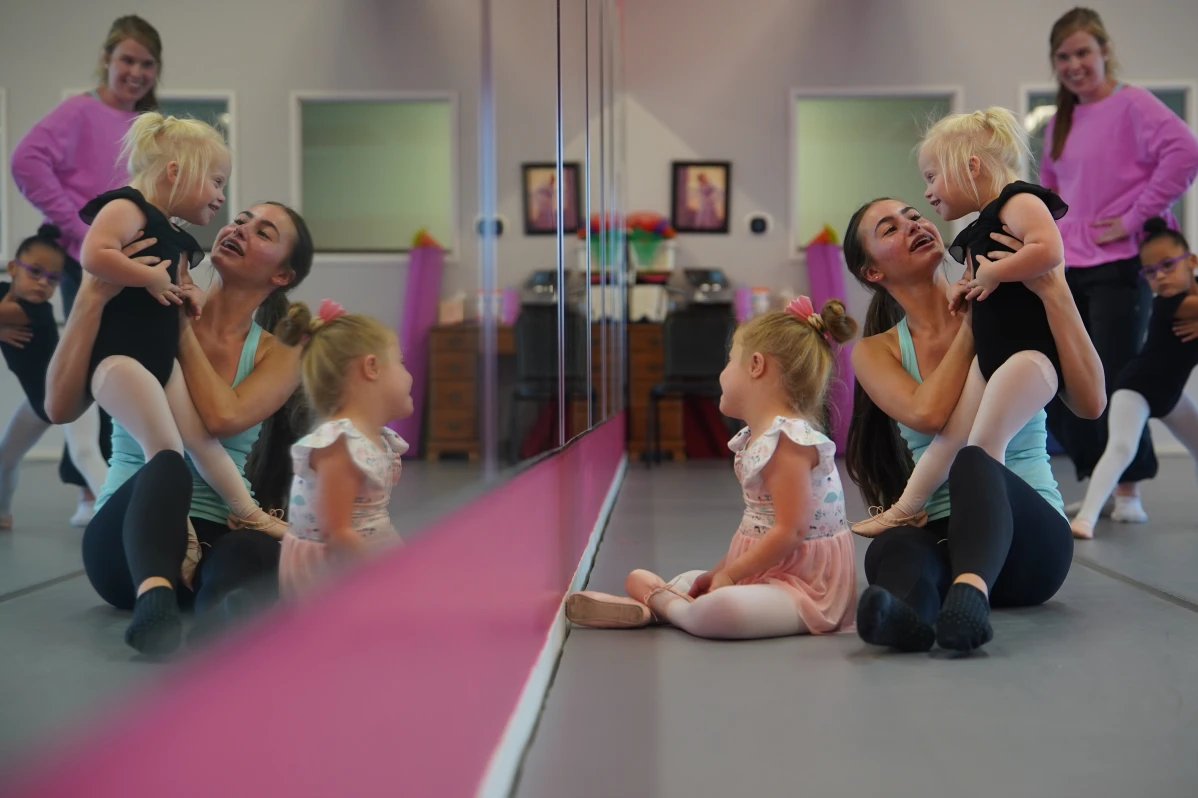
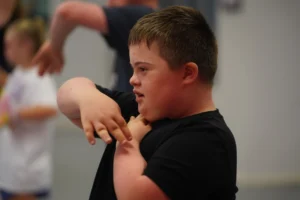
For people with Down syndrome, autism and other physical or intellectual disabilities, a dance studio in Indiana is offering more than lessons in movement. It is providing a place where participants can build confidence, make friends and express themselves.
Dance Abilities, a programme at the Academy of Dance Arts in Fishers, a suburb of Indianapolis, was founded by Claire Graham after her experience growing up with a sister who has Down syndrome. Graham said that while she was studying dance in high school, she realised she had struggled to connect with her sister while participating in her own activities.
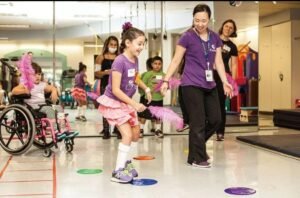
What began about three years ago as a summer camp for eight young people has developed into a year-round programme serving about 20 participants, with classes for young children, teenagers and adults.
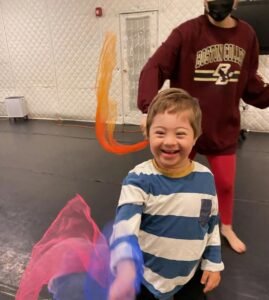
Among the participants is Finn Vester, who has autism and Down syndrome. His mother, Nicole Vester, said he previously tried a martial arts class but found it difficult because he learns differently.
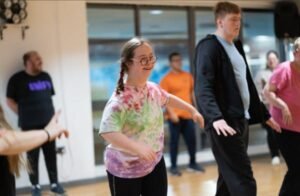
Dance Abilities has allowed him to communicate and connect with others in a way that suits his needs. Instructors adjust the pace of lessons, use more visual cues and provide physical guidance when necessary.
Graham, who holds a degree in dance and a master’s degree in recreational therapy, said the programme is not focused on producing technically perfect performances. Instead, she wants students to feel confident while being challenged at an appropriate level.
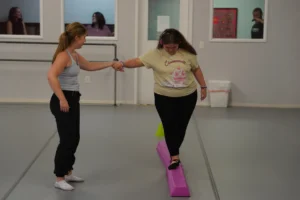
The classes are also adapted to individual physical needs. Graham said students with Down syndrome may benefit from exercises designed to develop muscle tone, while students with autism may require additional help with stretching.
For Abigail MacGregor, who has Down syndrome, dance includes obstacle courses and practising new movements that she can later demonstrate to her family and friends.
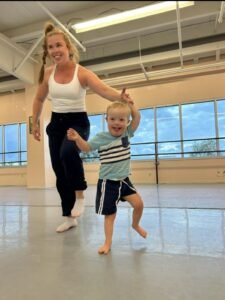
Another student, 13-year-old Tucker McGarrell, has Down syndrome and does not walk but runs into his dance classes, according to his mother, Amanda McGarrell.
His mother said the programme gives him an opportunity to take part in an activity simply because he enjoys it, rather than because it is part of a therapy appointment.
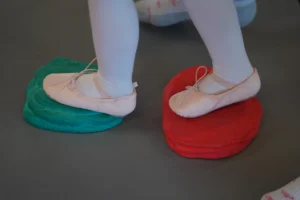
She described the programme as a place where Tucker can be himself, spend time with friends and learn new skills.
The emphasis on inclusion extends beyond Dance Abilities. Indiana University Indianapolis also runs Live Laugh Dance, a summer programme for adolescents and young adults aged 10 and above with Down syndrome. The programme uses creative movement, rhythmic activities and social interaction, culminating in a performance for family and friends.
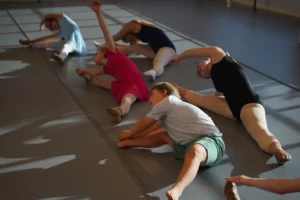
Other adapted dance initiatives are also operating in Indiana. A programme documented by the Indiana Department of Health provides adaptive dance opportunities for children with Down syndrome and has been part of a wider outreach effort involving thousands of children since 2018.
For Graham, however, the measure of success is not perfection. It is seeing students gain confidence and hearing them proudly tell their families that they have accomplished something.
She believes that when people are given opportunities suited to their abilities and are supported at their own pace, they can continue to grow.