
Health
Weight Lost, Skin Left Behind: Men Turn to Cosmetic Surgery


For some men, losing significant amounts of weight is no longer the final step in their transformation.
As weight-loss drugs such as Wegovy and Zepbound become increasingly popular, a growing number of American men are turning to cosmetic clinics to address what remains after the weight comes off; including loose skin, changes to facial appearance, hair loss and dental concerns.
The trend reflects a broader shift in attitudes toward male aesthetics, with men becoming increasingly comfortable seeking cosmetic procedures that were once associated predominantly with women. Reuters reports that men underwent about 1.7 million aesthetic procedures in 2024, an increase of 2.7% from the previous year.
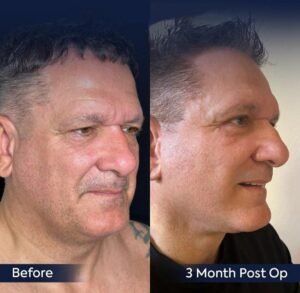
Doctors say the rapid and sometimes dramatic weight loss achieved with GLP-1 medications can leave some patients with excess or sagging skin, particularly around the abdomen, arms, thighs and face.
Plastic surgeons are consequently seeing more men asking what can be done to improve their appearance after reaching their target weight.
Procedures can include tummy tucks, body lifts, liposuction, arm and thigh lifts, facelifts and eyelid surgery, depending on the patient’s needs. Body-contouring procedures are specifically used to remove excess skin and tissue following major weight loss.
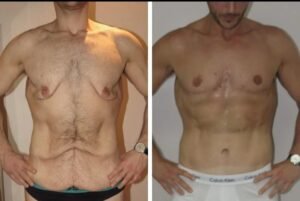
For some patients, the procedures are about more than appearance. Excess skin can interfere with clothing, exercise and everyday activities, while others say removing it helps them feel that their physical transformation has finally caught up with the number on the scale.
Reuters reports that men now make up 20% or more of patients at some cosmetic practices, illustrating how rapidly the market is changing.

Social media, greater openness around weight-loss medication and changing ideas about masculinity have helped make cosmetic treatments less taboo among men.
Rather than viewing surgery as something exclusively associated with vanity, some male patients increasingly see it as the final stage of a broader health and lifestyle transformation.

However, doctors warn that cosmetic surgery after dramatic weight loss is not simply a matter of booking an operation.
New research from Duke University found that the amount and speed of weight loss can affect the risks associated with subsequent body-contouring surgery. Patients who experienced particularly rapid weight loss faced greater risks of complications, including fluid collections, bleeding and the need for additional surgery.
Doctors say nutritional status is particularly important because people who have undergone substantial weight loss can have deficiencies in nutrients such as iron, folate, vitamin B12 and vitamins A, D, E and K, all of which can influence healing.

Patients may therefore need to maintain a stable weight and undergo medical and nutritional assessment before elective body-contouring surgery.
The effects of substantial weight loss are not limited to the body.
Some men report changes in their faces as they lose significant amounts of fat, including sagging around the cheeks, jawline and neck. This has helped drive demand for facial procedures among men who want their face to match their slimmer bodies.

Reuters has reported a growing interest among male GLP-1 users in facial cosmetic surgery as part of what some describe as a “second wave” of transformation after weight loss.
The growing demand is creating a new chapter in the weight-loss industry: what happens after the weight comes off.
For many men, reaching a lower number on the scale represents a major personal achievement. But loose skin or changes in facial structure can leave them feeling that their physical appearance does not fully reflect the transformation they have achieved.
Cosmetic surgeons say the trend is likely to continue as more people use highly effective weight-loss medications and achieve substantial reductions in body weight.
At the same time, specialists stress that cosmetic procedures are major medical interventions, not simply beauty treatments, and patients need careful assessment of their health, nutritional status, expectations and surgical risks before proceeding.