
Health
Michigan Cyclosporiasis Cases Rise to 9,680 as Authorities Battle Expanding Foodborne Outbreak

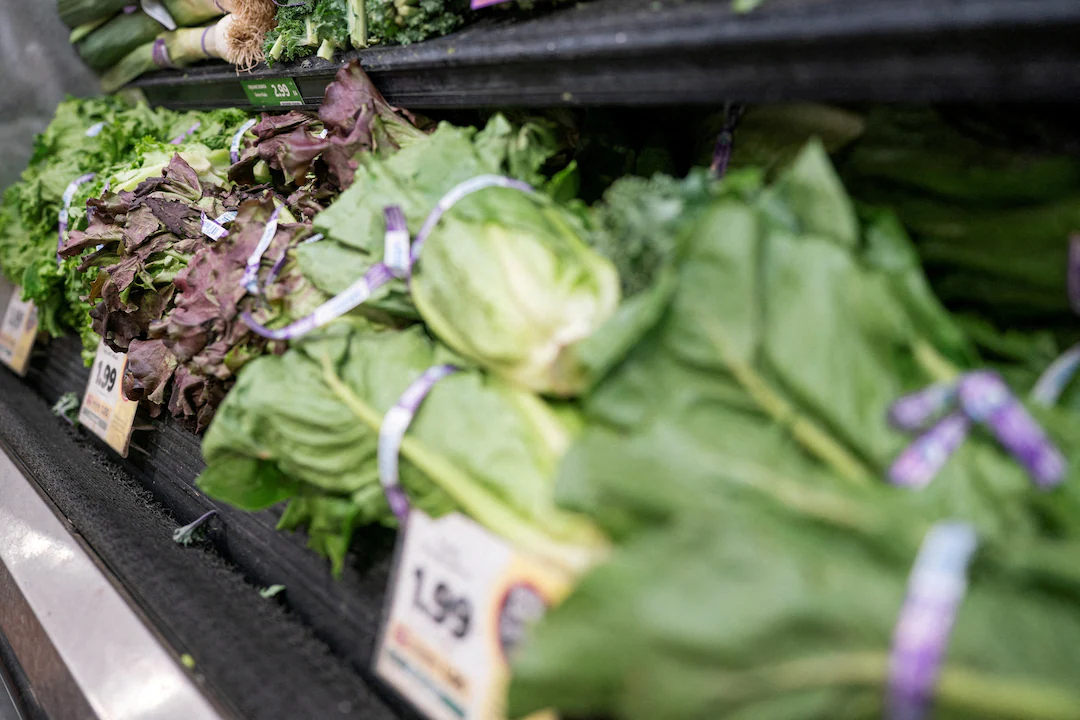
Michigan health officials have reported 9,680 confirmed cases of cyclosporiasis, marking another sharp increase in one of the largest foodborne parasite outbreaks the United States has seen in recent years. The latest figures represent an increase of 427 cases in a single day, underscoring the continued spread of the illness despite ongoing recalls and investigations.


Cyclosporiasis is an intestinal illness caused by the microscopic parasite Cyclospora cayetanensis. The infection is commonly linked to eating fresh produce contaminated with human waste, particularly leafy greens, herbs and certain fruits. Symptoms typically develop about a week after exposure and include severe watery diarrhoea, stomach cramps, bloating, nausea, fatigue, loss of appetite, weight loss and, in some cases, a low-grade fever.
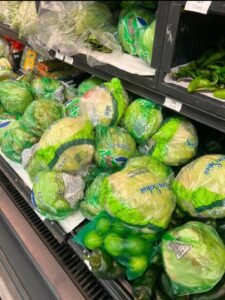
Investigators from the U.S. Food and Drug Administration (FDA) and the Centers for Disease Control and Prevention (CDC) have traced much of the outbreak to iceberg lettuce served at Taco Bell restaurants. The lettuce has been linked to produce supplied by Taylor Farms from central Mexico, although officials caution that the size of the outbreak suggests additional contaminated foods may also be involved. Parsley and cilantro are among the other products being examined.

The outbreak extends far beyond Michigan. According to federal health authorities, more than 4,100 laboratory-confirmed cases have been recorded nationwide, while thousands of additional reports remain under investigation. Cases have been identified across 41 U.S. states, making this one of the country’s largest recorded Cyclospora outbreaks. Differences between state and federal totals are largely due to the time required to verify and classify cases.

Health officials say Michigan has recorded around 160 hospitalisations, but no deaths have been reported so far. Most patients recover with appropriate treatment, though the illness can be prolonged if left untreated and may pose greater risks for older adults, young children and people with weakened immune systems.
The outbreak has also sparked political debate. Senator Kirsten Gillibrand has questioned whether reductions in federal disease-surveillance programmes have affected the speed of the public health response, urging the CDC and FDA to outline plans for strengthening outbreak monitoring. Federal officials, however, maintain that nationwide surveillance of Cyclospora infections continues despite changes to specific monitoring programmes.

Consumer concern has already affected the food industry. Restaurant chains linked to the investigation have reported reduced customer traffic, while retailers have become more cautious about sourcing produce from affected regions of central Mexico. Sales of fresh lettuce have also fallen as shoppers respond to reports of the outbreak.

Health authorities continue to advise consumers to wash fresh produce thoroughly, practise good hand hygiene and follow any recall notices issued by regulators. However, experts note that Cyclospora can be difficult to remove from contaminated produce by washing alone, meaning preventing contamination at the farming and supply-chain level remains the most effective way to stop outbreaks. Investigators are continuing to trace the source of contamination while monitoring new cases across the country.