
Health
Congo’s Ebola Fight Disrupted as Health Workers Protest Months of Unpaid Salaries

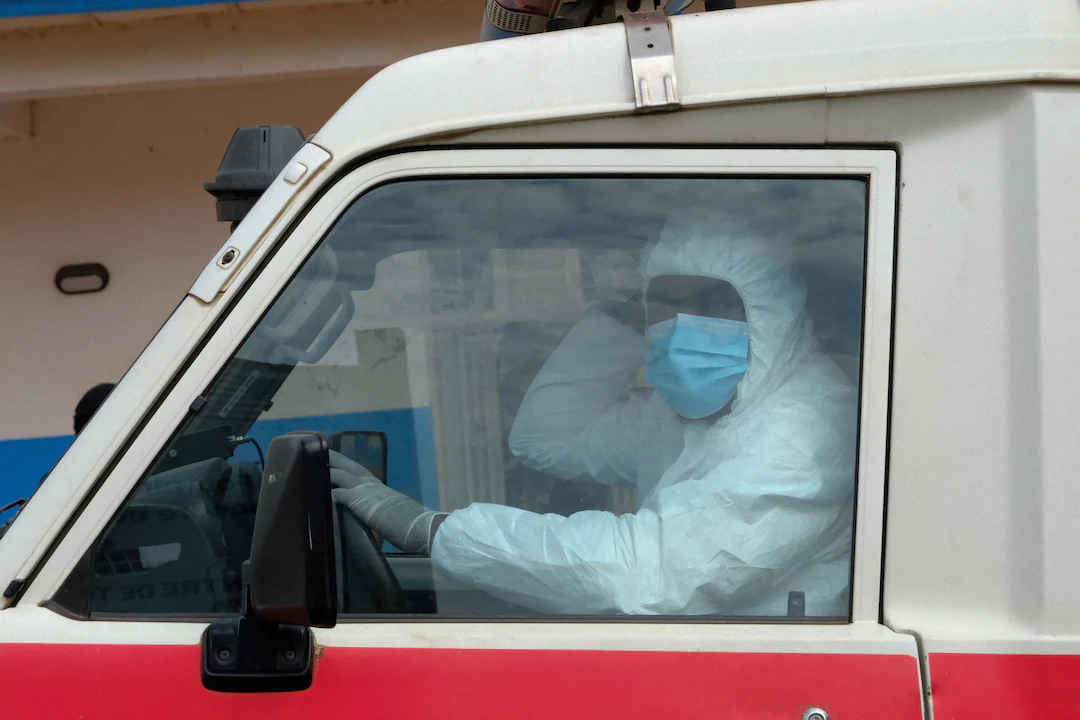
Efforts to contain the Democratic Republic of Congo’s rapidly spreading Ebola outbreak have suffered a major setback after frontline health workers staged protests over unpaid salaries and allowances, raising concerns that the industrial action could further weaken the country’s response to one of its worst public health emergencies.

The demonstrations took place in eastern Congo, where hundreds of healthcare workers involved in Ebola surveillance, treatment, contact tracing and community outreach accused the government of failing to pay their wages and risk allowances for nearly three months. Protesters said the prolonged delays had left many unable to meet basic living expenses despite working under dangerous conditions.
Workers gathered outside Ebola treatment centres carrying placards and demanding immediate payment, warning that morale among response teams has deteriorated significantly. Some teams temporarily suspended non-essential activities, raising fears that the disruption could slow efforts to identify new infections and isolate suspected cases.
The protests come at a particularly critical time as the Ebola outbreak continues to expand across eastern Congo. Health authorities have described the epidemic as the fastest-growing Ebola outbreak on record, with more than 3,800 confirmed cases and over 1,700 deaths, while thousands of people remain under monitoring for possible infection.
Public health experts warn that any interruption in surveillance, laboratory testing or contact tracing could allow the virus to spread more rapidly, especially in remote communities where insecurity and poor infrastructure have already complicated response efforts. Armed violence, population displacement and mistrust of authorities have further hampered containment operations in several affected provinces.
Health workers say they remain committed to fighting the outbreak but insist that delayed salaries and allowances are making it increasingly difficult to continue working. Many noted that they face daily exposure to the deadly virus while lacking financial security for themselves and their families.
The Congolese government has yet to announce when the outstanding payments will be made. Officials have acknowledged the payment delays and are reportedly working with international partners to resolve funding and administrative challenges affecting the Ebola response.
The latest protests add to the mounting challenges confronting health authorities as they seek to contain an outbreak driven by the Bundibugyo strain of the Ebola virus, for which no fully approved vaccine or treatment currently exists. International health agencies, including the World Health Organization and the Africa Centres for Disease Control and Prevention, continue to support surveillance, treatment and research efforts, but experts warn that sustained cooperation with frontline workers will be essential to bringing the outbreak under control.