
Health
Ebola Outbreak: M23 Rebels Suspend Shared Taxis, Passenger Boats in Eastern Congo

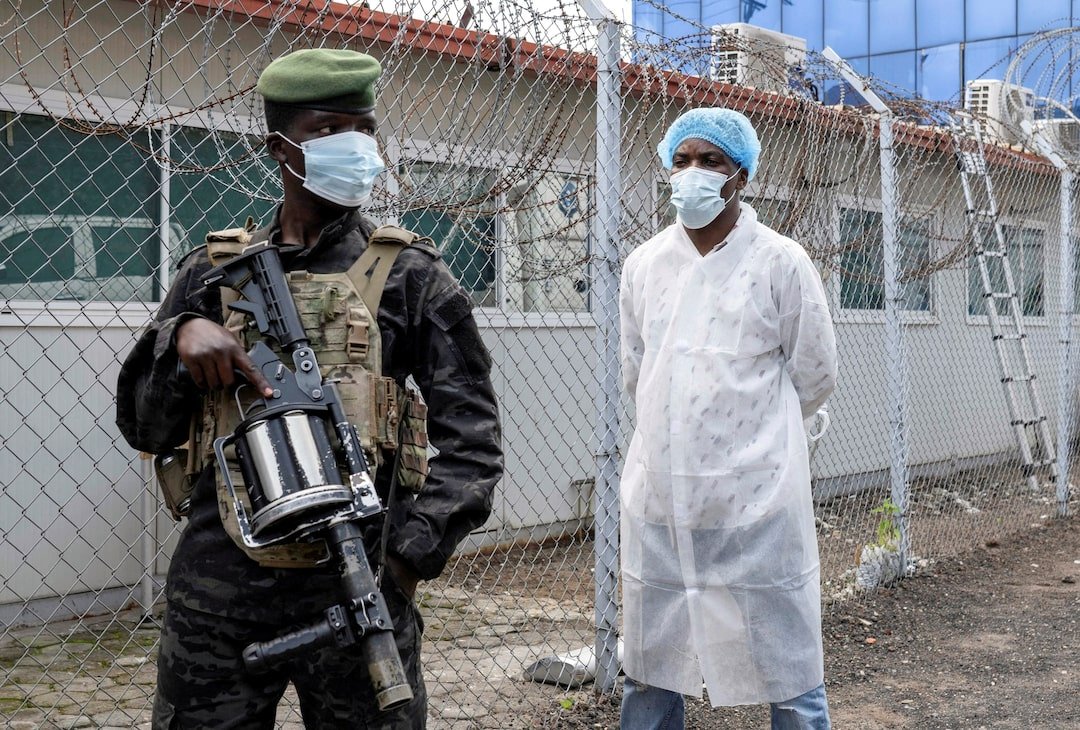
The AFC/M23 rebel alliance in eastern Democratic Republic of Congo has introduced fresh restrictions on movement in areas under its control as authorities step up efforts to contain the country’s rapidly expanding Ebola outbreak.
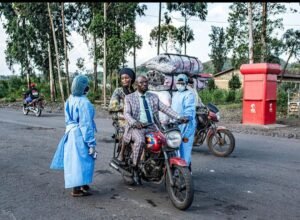
Under the new measures, shared taxis operating on the Goma-Kirumba road will be suspended for one month beginning Saturday, while passenger pirogue boats on some routes across Lake Edward will also be halted.
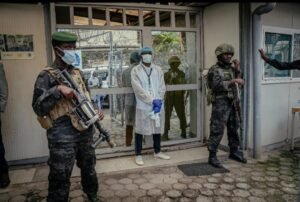
Taxi-buses will, however, remain permitted on the Goma-Kirumba route provided they comply with health and safety measures. Trucks transporting goods will also continue to operate.
The restrictions were announced after two travellers from the government-controlled town of Lubero tested positive for Ebola after arriving in a village under M23 control, according to a member of the health response team established by the rebel authorities.
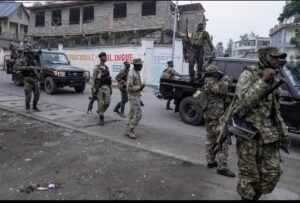
The latest measures highlight the additional challenges posed by the Ebola outbreak in a region already affected by prolonged armed conflict and population displacement.
The outbreak, caused by the Bundibugyo virus, has spread across six provinces in the Democratic Republic of Congo and has become the country’s largest Ebola outbreak on record. The World Health Organization reported 4,665 confirmed cases and 2,184 deaths as of August 12, with transmission continuing across 54 health zones.
More recent government data cited by Reuters puts the number of confirmed cases above 5,000, underscoring the speed at which the outbreak is expanding.
The World Health Organization has described the outbreak as being in a phase of intense transmission, with cases continuing to spread across interconnected communities and geographic areas.
Health officials face particular difficulties in tracking infections because of population movement between communities and the continuing insecurity in eastern Congo.
The M23, which controls large parts of North and South Kivu after capturing Goma and Bukavu during its 2025 advance, has developed its own administrative and health-response structures in territories under its control. The United Nations and several Western governments accuse Rwanda of backing the group, while Kigali denies the allegation.
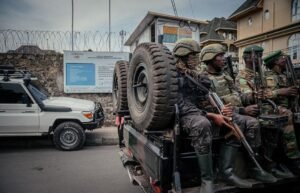
The rebels have also used their response to the Ebola crisis to demonstrate their ability to administer territory under their control, operating a health response largely separately from authorities in Kinshasa.
The latest travel restrictions are aimed at reducing movement between Ebola-affected government-held areas and M23-controlled territory, particularly along routes linking communities around Goma, Kirumba and Lake Edward.
The development comes as international health organisations intensify efforts to contain the outbreak. The World Health Organization and its partners announced on Thursday that Congo would receive 70,000 doses of the Ervebo Ebola vaccine, although the vaccine is not licensed for the Bundibugyo strain responsible for the current outbreak. Some of the doses will be used in clinical trials while others are intended for frontline and healthcare workers.
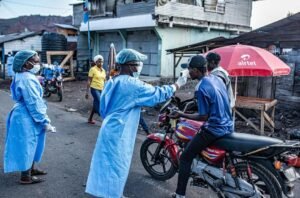
The scale and speed of the outbreak have raised concerns among health officials, with the ongoing conflict, limited access to affected communities and difficulties in tracing contacts making containment significantly harder.
For residents of eastern Congo, the latest restrictions mean tighter controls on travel and transport as authorities attempt to prevent further transmission of a disease that has already caused thousands of deaths.
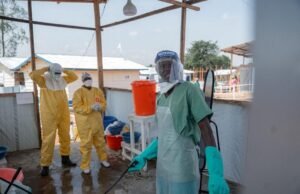
The M23 administration said the measures were necessary to limit the movement of people from affected areas and reduce the risk of further Ebola infections in territories under its control.