
Health
Pancreatic Cancer Breakthrough: New Pill Makes Tumours Disappear in Some Patients

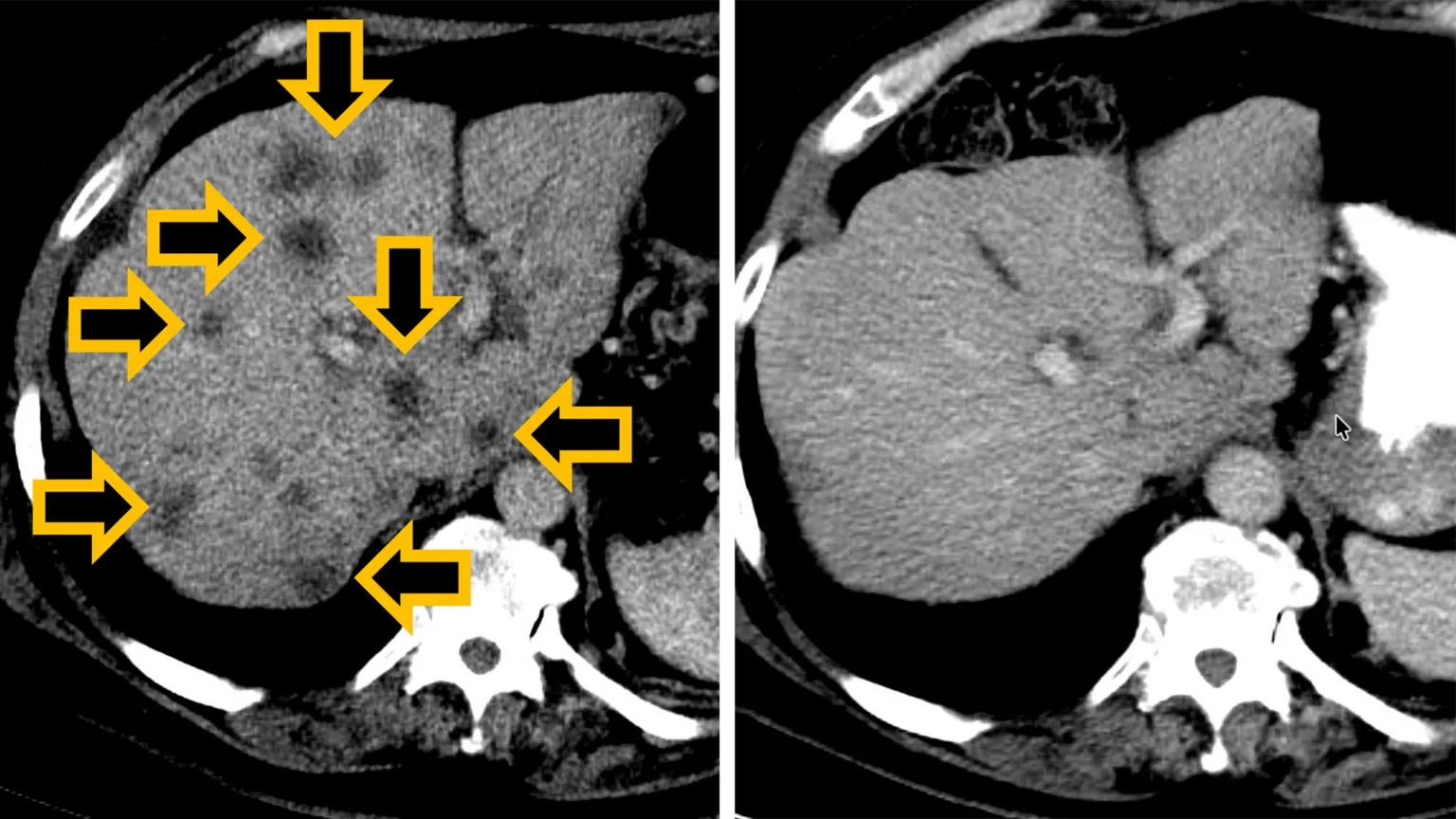
A new daily cancer pill has raised hopes of a major breakthrough in the treatment of pancreatic cancer after a clinical trial found that tumours became undetectable in some patients receiving the drug alongside chemotherapy.
The experimental medication, known as daraxonrasib, produced encouraging results among 61 patients with advanced pancreatic cancer that had spread to other parts of the body.
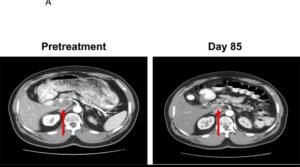
Results from the Phase I/II clinical trial, presented on Friday, November 20, at the 38th EORTC-NCI-AACR Symposium on Molecular Targets and Cancer Therapeutics in Barcelona, Spain, showed that the treatment combination stopped tumour growth in approximately 90 per cent of participants.
More than 60 per cent of the patients experienced tumour shrinkage or complete disappearance, while approximately 8.2 per cent had no detectable cancer on medical scans.
The findings have attracted considerable attention from cancer specialists because pancreatic cancer remains one of the most difficult forms of the disease to treat, particularly when it has spread beyond the pancreas.

According to the study, 90.2 per cent of participants experienced disease control, meaning their tumours either shrank or stopped growing. The overall tumour response rate was 60.7 per cent.
Researchers followed the participants for an average of 18.3 months, with the median period before the cancer progressed or began growing again recorded at 12.8 months.
Dr Wungki Park, a gastrointestinal medical oncologist at Memorial Sloan Kettering Cancer Center in New York, who led the research, described the findings as a potentially transformative development for patients with metastatic pancreatic cancer.

He said the combination demonstrated deeper tumour responses and longer periods of disease control than previously observed with conventional treatment approaches.
Cancer Research UK also welcomed the findings, with the charity describing the development as the biggest leap forward in pancreatic cancer treatment in decades.
The drug works by targeting cancer-driving mutations in proteins known as RAS, particularly KRAS, which are responsible for encouraging cancer cells to grow and multiply.

More than 90 per cent of pancreatic cancers are associated with mutations in the RAS gene family, making the pathway an important target for researchers seeking more effective treatments.
Daraxonrasib is designed to interfere with these abnormal signals, preventing cancer cells from receiving instructions that encourage uncontrolled growth.
The treatment was administered alongside two chemotherapy medications, gemcitabine and nab-paclitaxel, rather than being tested as a standalone replacement for chemotherapy.
Despite the encouraging outcome, specialists have cautioned against describing the treatment as a cure.
They explained that the disappearance of tumours on scans does not necessarily mean all cancer cells have been eliminated, and the disease could return even after an apparent complete response.
Further research and larger clinical trials will therefore be required to establish whether the treatment can consistently extend survival, produce lasting remission and benefit a wider population of patients.
The findings have nevertheless renewed optimism in the search for more effective pancreatic cancer treatments, particularly for patients whose disease is diagnosed after spreading to other organs.
Researchers are also examining whether the same approach could benefit people with other cancers driven by similar RAS mutations, including certain forms of lung and ovarian cancer.
The results represent an important development in cancer research, although questions surrounding long-term effectiveness, safety and wider access to the treatment remain.