
Health
Experimental Alzheimer’s Drug Targeting Different Brain Protein Shows Promise, Study Finds

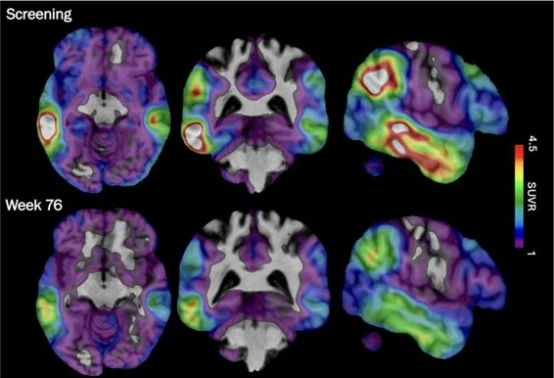
An experimental drug that targets a different brain protein involved in Alzheimer’s disease has shown encouraging results in a mid-stage clinical trial, raising hopes for a new generation of treatments that could slow the progression of the devastating neurological disorder. Researchers say the drug, diranersen, works by reducing levels of tau, a protein increasingly recognized as a key driver of Alzheimer’s disease.
Unlike currently approved Alzheimer’s drugs, which focus primarily on removing amyloid plaques from the brain, diranersen is designed to lower the production of tau protein. Scientists believe that while amyloid plaques may trigger the disease, tau proteins form toxic tangles inside brain cells that are more directly linked to memory loss and cognitive decline. Previous attempts to develop tau-targeting therapies have largely been unsuccessful, making the latest findings particularly significant.
The findings were presented at the Alzheimer’s Association International Conference (AAIC) 2026 in London and are based on the Phase 2 CELIA trial, which enrolled 416 people with early-stage Alzheimer’s disease. Participants received different doses of diranersen over an 18-month period while researchers monitored changes in brain protein levels and cognitive performance.

Researchers reported that the drug reduced tau protein levels in patients’ cerebrospinal fluid by as much as 65%, demonstrating that it successfully reached its biological target. Although the trial did not meet its primary objective of showing greater cognitive benefits with higher doses, the lowest dose (60 mg every six months) produced some of the most encouraging results. Patients receiving that dose experienced about a 26% slower rate of cognitive decline on one widely used assessment, while other memory and thinking tests suggested improvements of up to 50% compared with placebo.

Scientists described the results as an important proof of concept that reducing tau may alter the course of Alzheimer’s disease. Professor Cath Mummery, one of the study’s lead investigators, said the findings support the idea that targeting tau could become an important addition to current treatment strategies, even though larger studies will be needed to confirm the benefits.

Another notable aspect of diranersen is its safety profile. Unlike some approved amyloid-targeting drugs, which have been associated with brain swelling and bleeding in certain patients, researchers reported no cases of amyloid-related imaging abnormalities (ARIA) during the trial. Most side effects were described as mild to moderate. However, the drug is administered through a spinal injection, a more invasive procedure than the intravenous infusions used for existing therapies.
The drug is being developed by Biogen in collaboration with Ionis Pharmaceuticals. Following the encouraging findings, the companies announced plans to launch a larger Phase 3 clinical trial in 2027 to determine whether the treatment can consistently slow disease progression in a broader group of patients.

Experts caution that the results should be interpreted carefully because the study produced mixed outcomes and the strongest cognitive benefits were seen at the lowest dose rather than higher doses. Nevertheless, Alzheimer’s specialists say the research represents one of the strongest indications yet that therapies targeting tau; rather than amyloid alone, could play an important role in future treatment. Some researchers also believe combining amyloid-targeting and tau-targeting therapies may eventually provide greater benefits than either approach on its own.
With nearly 55 million people worldwide living with dementia, most of them suffering from Alzheimer’s disease, the findings offer renewed optimism in the search for more effective therapies. While diranersen remains experimental and requires further testing before any regulatory approval, researchers say the study marks a significant step toward expanding treatment options for one of the world’s most challenging neurodegenerative diseases.