
Health
Health Workers Struggle to Determine Extent of Ebola Spread in DR Congo

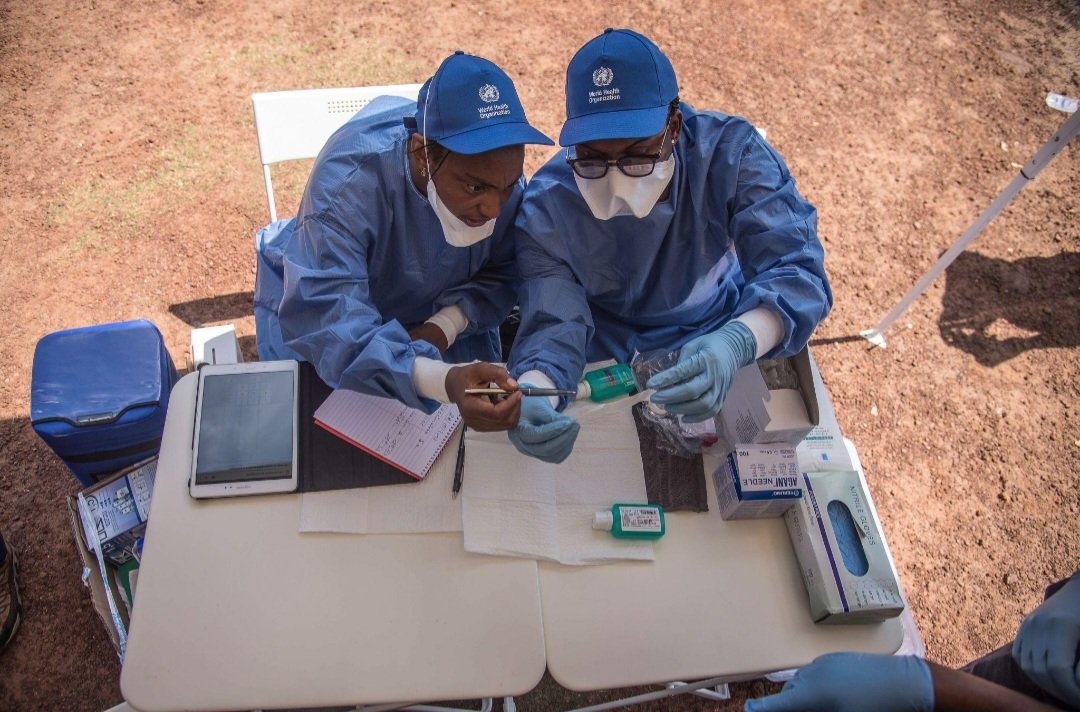
Health officials and humanitarian organizations say the true scale of the latest Ebola outbreak in the Democratic Republic of Congo remains uncertain more than a month after the disease was first detected, raising concerns that the virus may be spreading beyond officially reported figures.
According to frontline responders, insecurity, population displacement, and limited access to affected communities have complicated efforts to identify cases and trace contacts. Health workers warn that the number of infections could be significantly higher than current official counts suggest.
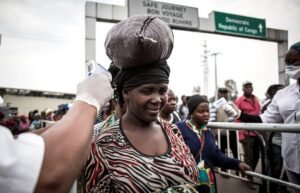
The outbreak was declared after several suspected cases were confirmed in eastern Congo, a region that has experienced repeated Ebola epidemics over the past decade. Authorities have launched emergency containment measures, including surveillance, contact tracing, vaccination campaigns, and public awareness programs. However, responders say major obstacles continue to hamper those efforts.
Medical teams working in affected areas report that fear and mistrust among local populations remain significant challenges. Some residents are reluctant to report symptoms or cooperate with health officials due to concerns about stigmatization, misinformation, and longstanding distrust of government institutions.
The situation is further complicated by ongoing conflict in eastern Congo, where armed groups operate in several regions. Aid organizations say insecurity has restricted access to some communities, making it difficult to conduct thorough investigations and monitor potential chains of transmission.
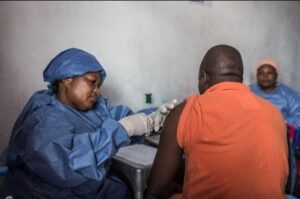
Officials from the World Health Organization and partner agencies have emphasized that rapid detection and isolation of cases remain critical to preventing wider spread. Vaccination efforts are continuing, with health workers administering Ebola vaccines to contacts of confirmed cases and other individuals considered at high risk of exposure.
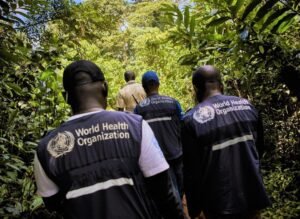
Ebola is a severe viral disease that spreads through direct contact with the bodily fluids of infected individuals or contaminated materials. Symptoms can include fever, fatigue, muscle pain, vomiting, diarrhea, and, in severe cases, internal and external bleeding. Without prompt treatment, the disease can be fatal.
The Democratic Republic of Congo has experienced multiple Ebola outbreaks since the virus was first identified near the Ebola River in 1976. The country has developed considerable experience in responding to the disease, but experts caution that each outbreak presents unique challenges depending on local conditions and security circumstances.
Humanitarian agencies are urging increased international support to strengthen surveillance systems, improve laboratory testing, and expand community engagement programs. They warn that delays in detecting infections could allow the virus to spread more widely before authorities have a clear understanding of the outbreak’s scope.
While officials stress that there is currently no evidence of widespread regional transmission, they acknowledge that the coming weeks will be crucial in determining whether containment measures are sufficient to bring the outbreak under control.