
Health
First Volunteer Receives Experimental Vaccine Against Bundibugyo Ebola Strain

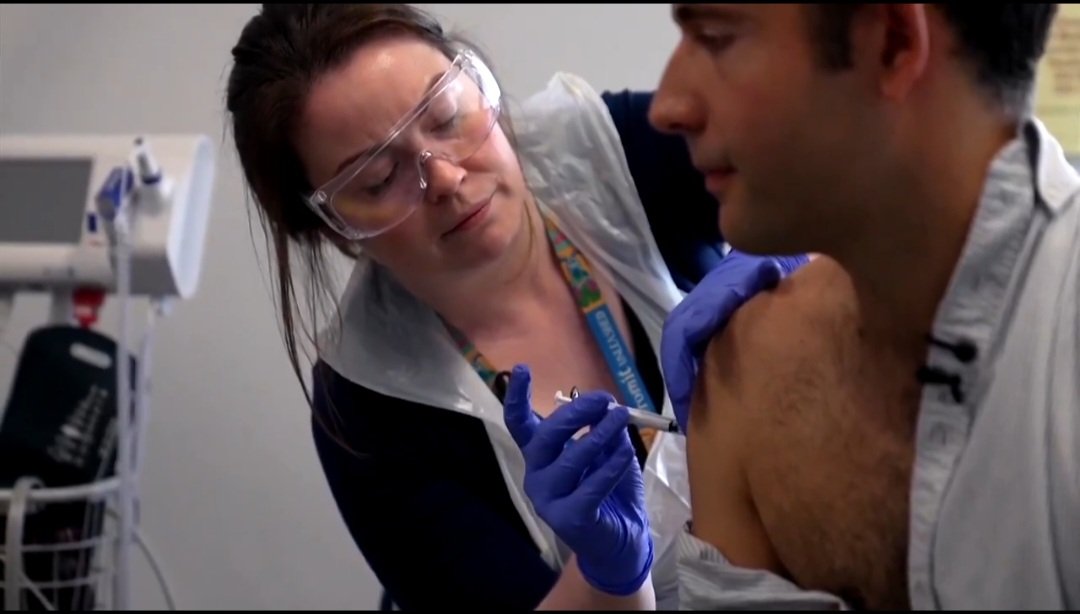
A volunteer in England has become the first person to receive an experimental vaccine designed to protect against the Bundibugyo strain of Ebola virus, marking a significant milestone in global efforts to combat one of the world’s deadliest infectious diseases. The Phase I clinical trial aims to determine whether the vaccine is safe and capable of triggering a strong immune response against a virus for which there is currently no approved vaccine or specific treatment. The trial is being conducted by researchers at the University of Oxford in partnership with international health organisations.


The experimental vaccine targets the Bundibugyo ebolavirus, one of six known Ebola virus species. Although less common than the Zaire strain; which has an approved vaccine, the Bundibugyo variant has caused several deadly outbreaks in Africa since it was first identified in Uganda in 2007. Health experts say developing a vaccine against this strain is critical because existing Ebola vaccines do not provide reliable protection against Bundibugyo infections.

Researchers said the trial will initially enrol healthy adult volunteers in the United Kingdom to evaluate the vaccine’s safety profile before progressing to larger studies. Scientists will monitor participants over several months to measure immune responses and identify any side effects. If successful, the vaccine could eventually be deployed during future outbreaks in affected African countries.

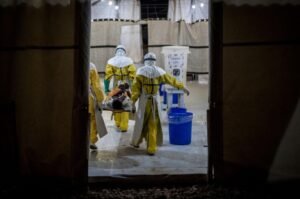
The trial comes as Ebola continues to pose a serious public health threat in parts of Central and East Africa. Recent outbreaks in the Democratic Republic of the Congo (DRC) and Uganda have highlighted the need for broader protection against multiple Ebola strains. Public health officials have repeatedly warned that although rapid containment measures have improved, the absence of approved vaccines for some variants continues to leave vulnerable populations at risk.
The experimental vaccine uses Oxford’s ChAdOx viral vector platform, a technology that has previously been employed in the development of vaccines against diseases such as COVID-19 and Middle East Respiratory Syndrome (MERS). Researchers believe the platform allows vaccines to be developed more rapidly while generating robust immune responses.

Scientists involved in the project described the first vaccination as an important scientific achievement but cautioned that the vaccine still faces several stages of testing before it could receive regulatory approval. They stressed that Phase I trials are primarily intended to assess safety rather than effectiveness, meaning it could take several years before the vaccine becomes widely available if it proves successful.
Global health experts have welcomed the launch of the trial, saying it represents an important step toward strengthening preparedness against future Ebola outbreaks. They noted that expanding the range of available vaccines would improve the international community’s ability to respond quickly to emerging epidemics, particularly in regions where healthcare systems face significant challenges.
Although progress in Ebola vaccine research has accelerated over the past decade, scientists emphasise that continued investment in surveillance, diagnostics and immunisation research remains essential. The latest trial offers renewed hope that effective protection against the Bundibugyo strain could eventually become available, helping to save lives during future outbreaks across Africa.