Health
Cut Off from Kinshasa, Congo’s AFC/M23 Rebels Build Their Own Ebola Response

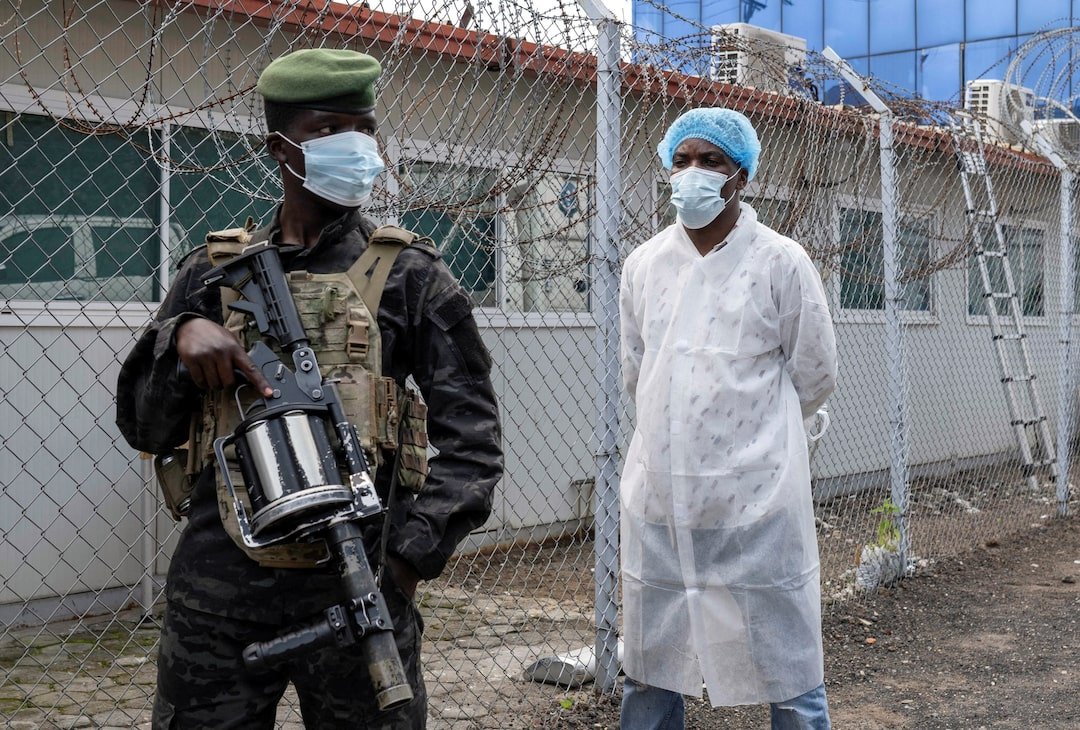
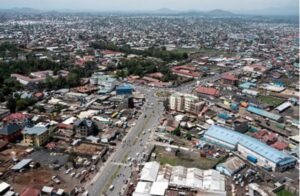
The rebel coalition AFC/M23 has established its own Ebola response system in parts of eastern Democratic Republic of the Congo under its control, highlighting the deepening political and humanitarian divide between rebel-held territories and the central government in Kinshasa. The parallel response emerged after a small Ebola outbreak was detected in areas controlled by the rebels, prompting them to organize disease surveillance, testing and isolation efforts largely independent of national authorities.
The outbreak was declared on May 15 after four confirmed Ebola cases were identified in and around the eastern cities of Goma and Bukavu, both under AFC/M23 influence. Rebel authorities say they successfully monitored more than 400 people who had contact with infected patients and carried out over 200 laboratory tests before declaring the outbreak contained after 21 consecutive days without any new confirmed infections.
With direct cooperation between Kinshasa and rebel-held territories severely limited by the ongoing conflict, AFC/M23 established separate emergency health structures, including treatment centres, contact-tracing teams and border screening measures. Travel between rebel-held and government-controlled areas was temporarily restricted to reduce the risk of further transmission, while health workers carried out community awareness campaigns aimed at encouraging early reporting of suspected cases.
The response has reportedly received logistical and medical assistance from neighbouring Rwanda, which supplied protective equipment, testing materials and specialist personnel to support health workers operating in the rebel-controlled region. While the assistance helped improve the immediate response, humanitarian officials say serious shortages remain, including limited laboratory capacity, inadequate protective gear and insufficient medical supplies should the outbreak expand again.
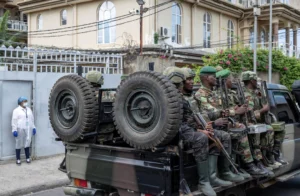
Health experts caution that the success claimed in rebel-held territory contrasts sharply with the broader Ebola emergency unfolding elsewhere in eastern Congo. The latest outbreak; caused by the Bundibugyo strain of the Ebola virus, has become the country’s fastest-growing Ebola epidemic on record. Thousands of infections have been reported across several provinces, while hundreds of people have died. The outbreak has also spread into neighbouring Uganda, increasing fears of wider regional transmission.
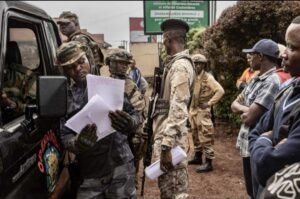
Aid organisations warn that conflict, mass displacement, attacks on healthcare workers and reductions in international humanitarian funding have severely weakened disease surveillance and emergency response efforts. Many frontline workers have reported shortages of testing kits, protective clothing, disinfectants and other essential medical supplies, while some have threatened industrial action over unpaid wages and unsafe working conditions.
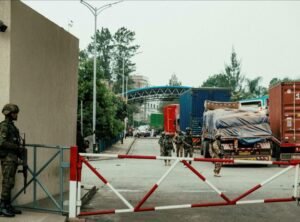
Although some technical information continues to be exchanged between government and rebel health officials, public health specialists say the existence of two parallel Ebola response systems reflects the wider fragmentation of governance in eastern Congo. Analysts warn that infectious diseases do not respect conflict lines and stress that sustained coordination between all parties will be essential to prevent further spread of the virus and protect millions of civilians living in one of Africa’s most volatile regions.