
Health
UN Warns Ebola Outbreak Could Cost Africa Up to $3.6 Billion as Crisis Deepens

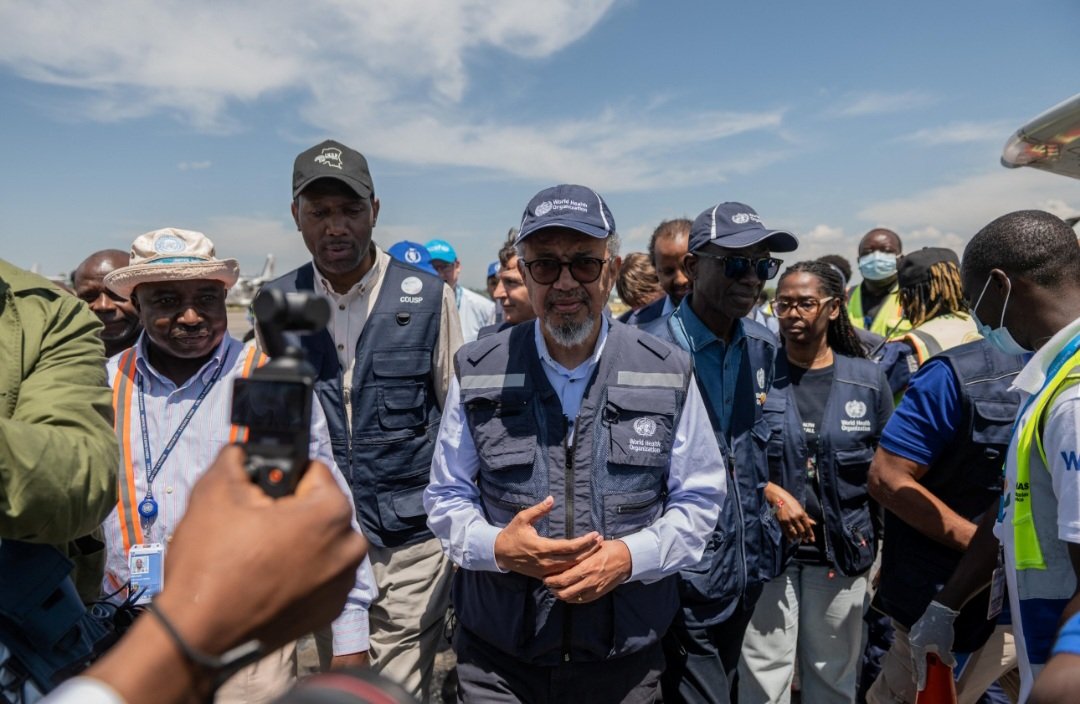
The United Nations has warned that the rapidly spreading Ebola outbreak in Central Africa could inflict an economic loss of as much as $3.6 billion across the continent, pushing nearly one million more people into poverty and threatening hundreds of thousands of jobs if the disease is not brought under control quickly. The warning comes as health authorities struggle to contain the worst first-month Ebola outbreak on record.
According to a new assessment by the United Nations Development Programme (UNDP), the outbreak has evolved beyond a public health emergency into a looming socioeconomic crisis. The report estimates that as many as 985,000 additional people could fall into poverty, with women and vulnerable communities expected to bear the greatest burden due to disruptions in trade, healthcare, education and employment.
The outbreak, centred in the Democratic Republic of the Congo (DRC) and spreading into neighbouring Uganda, is caused by the Bundibugyo strain of the Ebola virus. Unlike the more common Zaire strain, there is currently no licensed vaccine or specific treatment for Bundibugyo Ebola, making containment significantly more challenging.
UNDP Resident Representative in the DRC, Damien Mama, stressed that urgent financial support is needed to prevent the health emergency from escalating into a long-term development disaster. He warned that failure to invest in the response now would lead to far greater economic and humanitarian costs in the future.
The warning comes as the Africa Centres for Disease Control and Prevention (Africa CDC) significantly increased its funding appeal for the Ebola response to $1.4 billion, nearly three times its initial estimate. Although governments and international donors have pledged substantial assistance, only a small fraction of the promised funds has been disbursed, raising concerns that response efforts may fall behind the rapidly spreading virus.
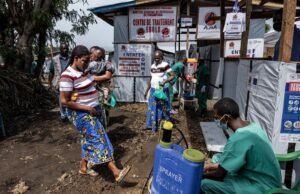
The World Health Organization (WHO) has also expressed concern that the outbreak is currently outpacing containment efforts. More than 1,000 confirmed infections have been recorded in the DRC, with additional cases reported in Uganda. Health officials say ongoing armed conflict, mass population displacement, and attacks on healthcare workers have made contact tracing and treatment operations extremely difficult.
Beyond its human toll, the outbreak is disrupting local economies across affected regions. Border restrictions, declining trade, school closures, reduced agricultural production and falling business activity are expected to slow economic growth in several countries. The UNDP warned that women, who make up a large share of informal traders and caregivers, are likely to suffer disproportionately from the economic fallout.
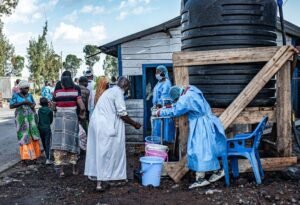
International agencies are intensifying efforts to curb the spread of the virus. The WHO and Africa CDC have expanded surveillance, laboratory testing, contact tracing and community education programmes, while governments are strengthening border screening and emergency preparedness. Despite these measures, officials caution that the outbreak remains highly dynamic and that additional international support is urgently needed.
The United States has also stepped up its response. The U.S. Centers for Disease Control and Prevention (CDC) recently activated its highest emergency response level for the outbreak, while the Trump administration has requested more than $1.4 billion from Congress to support international containment efforts and humanitarian assistance.
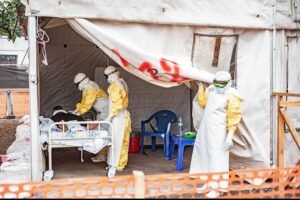
Health experts warn that the coming weeks will be critical. They say that rapid funding, stronger regional cooperation and public trust in health interventions will determine whether the outbreak can be contained before it develops into an even larger humanitarian and economic crisis affecting millions across Africa.