
Health
CDC Releases Emergency Funds and Personnel as Ebola Cases Surge

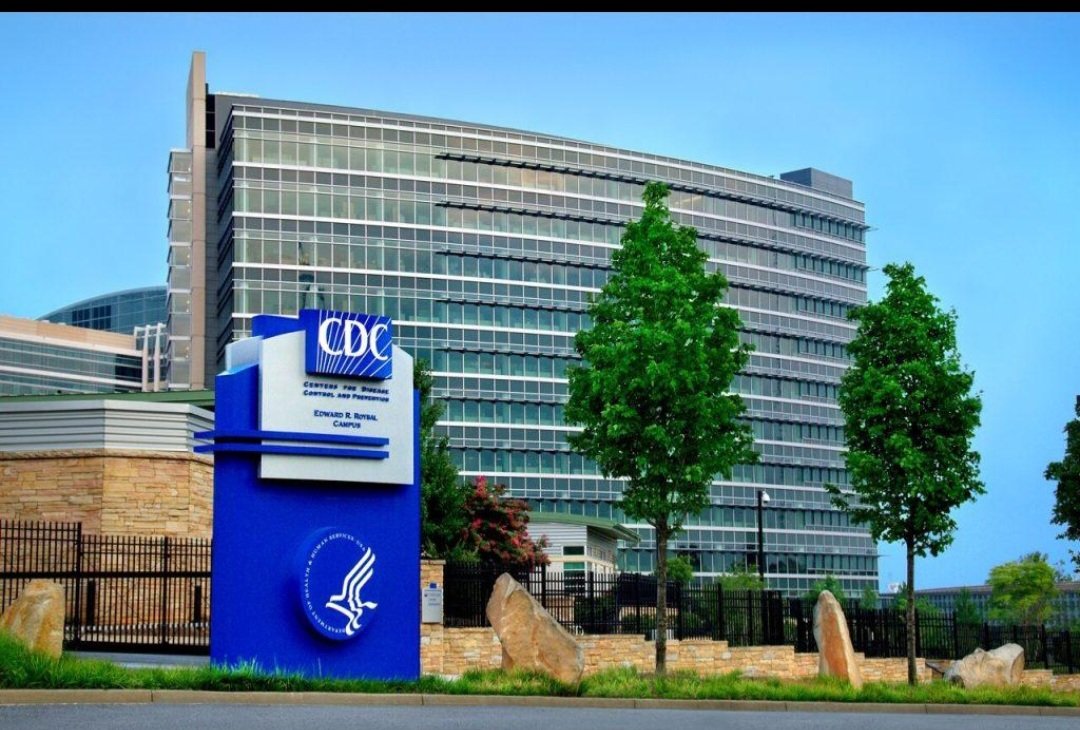
The U.S. Centers for Disease Control and Prevention (CDC) has elevated its response to the ongoing Ebola outbreak in Central Africa to Level 1, the agency’s highest emergency activation level, as health officials race to contain a rapidly expanding outbreak in the Democratic Republic of Congo (DRC) and neighboring Uganda. Despite the escalation, U.S. authorities maintain that the risk of Ebola spreading within the United States remains low.
The decision places the Ebola response on the same operational footing as some of the most significant public health emergencies in recent U.S. history, including the West African Ebola epidemic of 2014–2016 and major domestic disaster responses. A Level 1 activation allows the CDC to mobilize maximum personnel, funding, logistics, and technical support to address the crisis.
According to the latest figures cited by health officials, the outbreak has infected more than 1,200 people and caused over 320 deaths in the DRC, while Uganda has reported additional cases linked to cross-border transmission. The outbreak is being driven by the Bundibugyo strain of Ebola, a less common but still highly dangerous form of the virus.
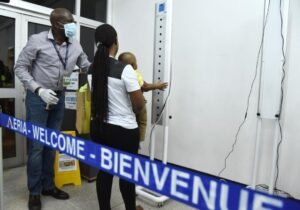
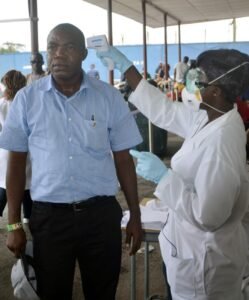
The CDC said it is deploying additional experts to Africa to support surveillance, laboratory testing, contact tracing, airport screening, epidemiological analysis, and community outreach efforts. Nineteen new CDC personnel have reportedly been sent to assist more than 125 public health specialists already working in the region.
Health officials are particularly concerned about the outbreak’s trajectory. Recent reports indicate that nearly 300 Ebola-positive individuals in the DRC are currently unaccounted for, complicating efforts to trace contacts and interrupt transmission chains. Aid agencies warn that ongoing conflict, population displacement, and limited healthcare access have made containment significantly more difficult.
The outbreak has emerged in a region already facing severe humanitarian challenges. Millions of people have been displaced by violence in eastern Congo, while healthcare systems remain under strain from insecurity, limited resources, and logistical obstacles. Public health workers have struggled to reach some affected communities, raising concerns that infections may be spreading undetected.
In response, the CDC has activated emergency funding and expanded international cooperation efforts. The agency recently released more than $100 million in emergency resources to support outbreak control measures and improve preparedness. Meanwhile, the White House has asked Congress to approve over $1.4 billion in additional Ebola-related funding, including support for treatment facilities, surveillance programs, and international response operations.
The United States is also supporting the development of a vaccine specifically targeting the Bundibugyo strain. Through federal health agencies and research partners, experimental vaccines, treatments, and thousands of diagnostic tests are being prepared for deployment to affected areas. Officials hope these tools will help slow transmission and reduce mortality rates.
Despite the alarming developments abroad, CDC officials continue to stress that the threat to Americans remains limited. No Ebola cases linked to the current outbreak have been identified in the United States. Enhanced travel screening and public health measures have already been implemented at designated U.S. airports receiving travelers from affected regions.
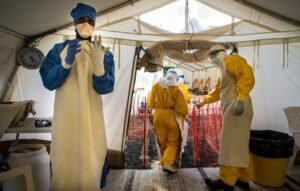
The CDC has also increased readiness across the country by coordinating with hospitals, state health departments, laboratories, and emergency response agencies. Officials say specialized testing can be conducted rapidly, and response teams can be deployed within 24 hours should a suspected case emerge in the United States.
Public health experts warn that the outbreak could become one of the most significant Ebola emergencies since the devastating West African epidemic that killed more than 11,000 people between 2014 and 2016. Modeling by health authorities suggests that without aggressive intervention, the number of infections could rise dramatically in the coming months.
Some neighboring countries have demonstrated more success in controlling transmission. Uganda, for example, has limited the spread through aggressive contact tracing, isolation measures, public awareness campaigns, and border monitoring. Health experts say these efforts may offer valuable lessons for the wider regional response.
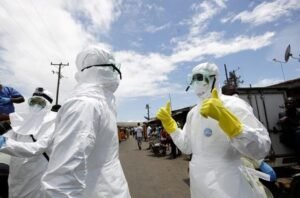
As international health agencies intensify their efforts, the focus remains on containing the outbreak at its source. CDC officials emphasize that the most effective way to protect the United States and the global community is to stop the virus before it spreads further across borders.