
International
Keiko Fujimori Makes History as Peru’s First Woman Elected President by Popular Vote

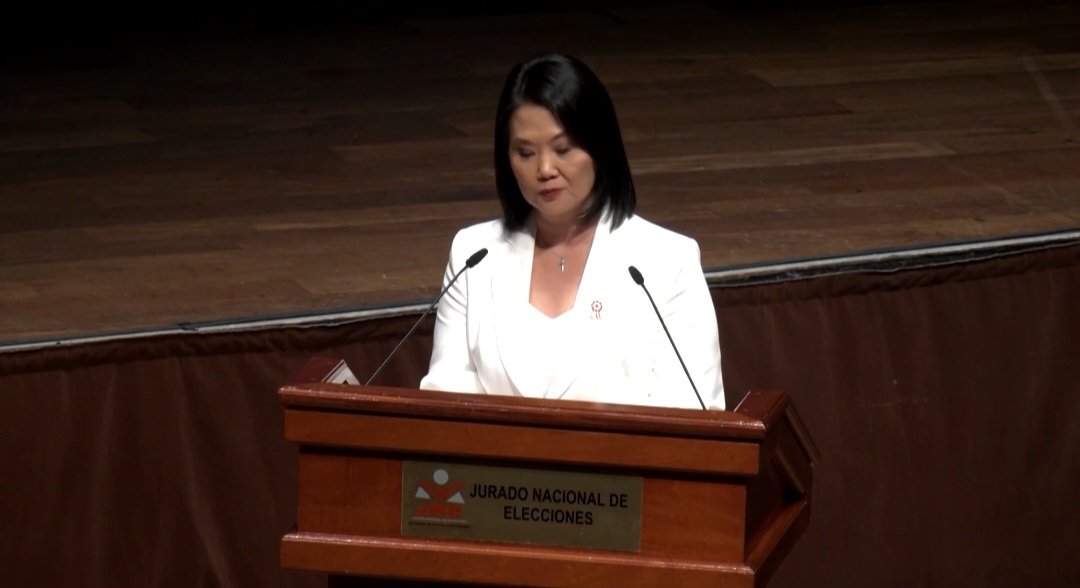
Keiko Fujimori has made history by becoming the first woman elected by popular vote as President of Peru, following a razor-thin victory over left-wing rival Roberto Sánchez in the June 7 presidential runoff. She is scheduled to be sworn into office on July 28, Peru’s Independence Day, ushering in a new chapter for a country that has endured years of political instability and economic uncertainty.
Peru’s National Jury of Elections (JNE) officially declared Fujimori the winner after completing a lengthy review of contested ballots and electoral challenges. According to the final certified results, the conservative leader of the Fuerza Popular party secured 50.135% of the valid vote (9,223,396 votes), narrowly defeating Roberto Sánchez of Juntos por el Perú, who received 49.865% (9,173,755 votes); a margin of just 49,641 votes out of more than 18 million ballots cast.

The victory marks the culmination of Fujimori’s fourth presidential campaign after unsuccessful bids in 2011, 2016, and 2021. Her latest success reverses years of electoral disappointment and establishes her as one of Peru’s most influential political figures. She is also the daughter of former President Alberto Fujimori, whose administration remains one of the country’s most controversial, praised by supporters for defeating insurgent groups while criticized for authoritarian rule and human rights abuses.

The election campaign reflected Peru’s deep political divisions. Fujimori campaigned on promises to restore security, strengthen the economy, encourage investment, and combat rising crime, while Sánchez advocated greater social spending, institutional reforms, and expanded support for rural communities. The closely fought contest highlighted the country’s polarized political landscape after years of frequent changes in government.
Following her victory, Fujimori pledged to govern for all Peruvians, regardless of political affiliation. She called for national unity and promised to prioritize economic growth, job creation, public security, and institutional stability. Her administration is expected to face immediate challenges, including tackling organized crime, restoring public confidence in government, and working with a fragmented Congress.

Financial markets reacted positively to the election result, with investors expressing optimism that Fujimori’s economic policies could provide greater policy stability and encourage investment, particularly in Peru’s crucial mining sector. However, economists caution that the incoming government will also have to contend with fiscal pressures and the potential impact of a developing El Niño weather event, which threatens infrastructure, agriculture, and fisheries across the country.
Ahead of Fujimori’s inauguration, Peru’s Congress approved an additional US$2.8 billion in government spending to fund infrastructure projects, strengthen public services, improve crime prevention, and prepare for possible climate-related emergencies. The measure is intended to provide the incoming administration with additional resources as it begins its five-year term.

Despite her victory, Fujimori enters office with significant political challenges. Peru has had 10 presidents since 2016, reflecting years of institutional instability, impeachment battles, and public dissatisfaction with the political class. Analysts say her ability to build consensus across Peru’s divided political landscape will be critical to the success of her presidency.
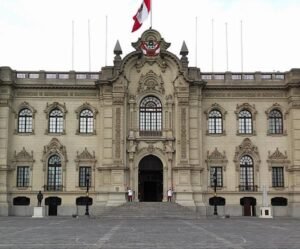
Fujimori will officially assume office on July 28, Peru’s Independence Day, becoming the country’s first woman elected president by popular vote and taking responsibility for leading one of Latin America’s most politically turbulent democracies through its next chapter.