
International
ICC Chief Prosecutor Rejects Sexual Misconduct Allegations as Lawyer Speaks Out

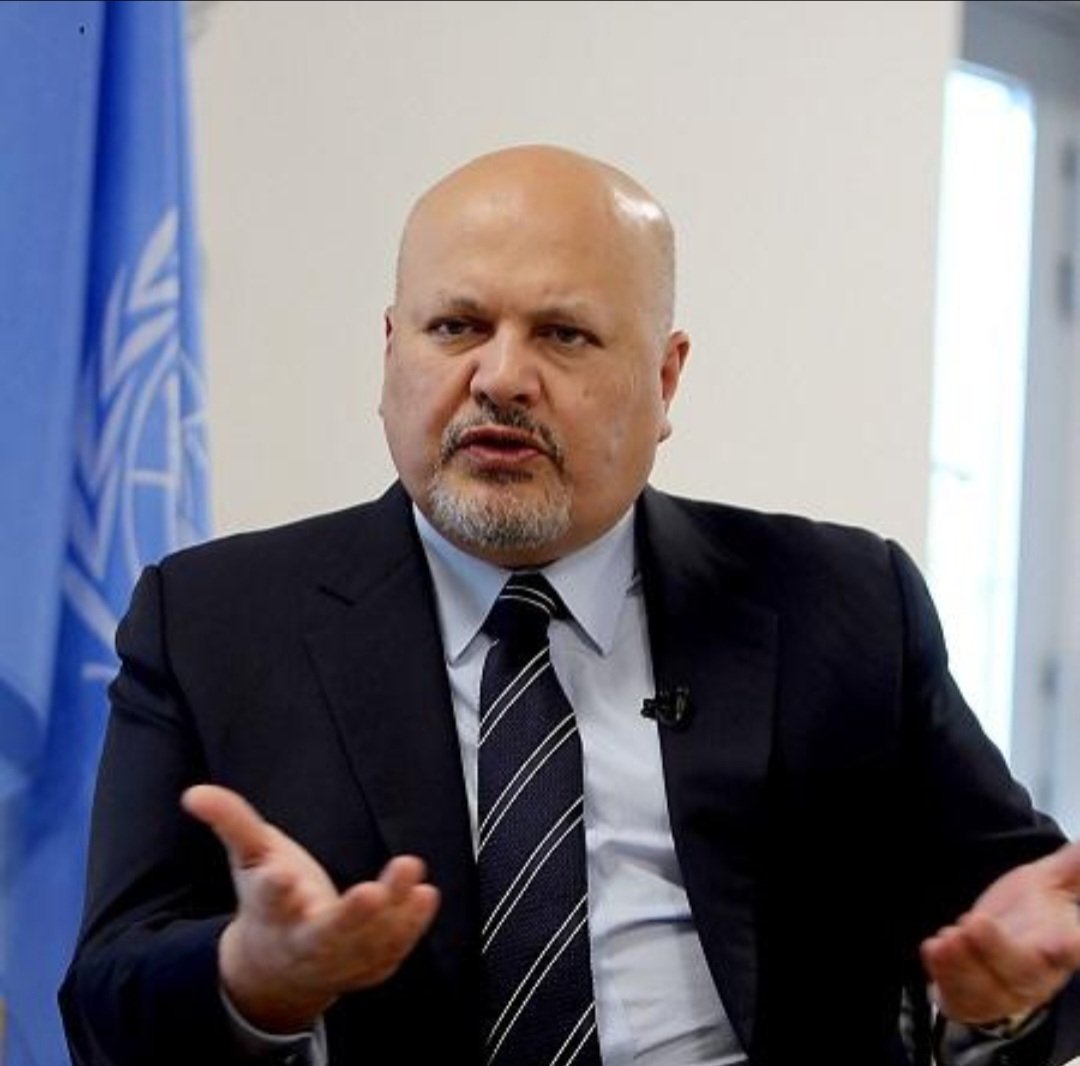
The crisis surrounding the International Criminal Court (ICC) has intensified after a lawyer who accused Chief Prosecutor Karim Khan of sexual misconduct publicly detailed her allegations for the first time, saying she decided to speak out after months of investigations and growing international attention. Khan has firmly denied all allegations, insisting he has committed no wrongdoing. The account was first reported in an exclusive investigation by CNN.
The woman, identified only by the pseudonym “Sarah” to protect her identity, said she experienced repeated unwanted sexual advances and non-consensual sexual acts while serving as a direct aide to Khan at the ICC. According to CNN, she alleged that the misconduct occurred over an extended period during work trips and at locations connected to her official duties. She said the significant power imbalance between her and Khan meant that any apparent consent could not genuinely exist.
According to a confidential United Nations investigative report obtained by CNN, the allegations include claims of unwanted touching, attempted kissing and repeated non-consensual sexual acts. The report formed part of a broader investigation conducted by the UN Office of Internal Oversight Services (OIOS) into Khan’s conduct.
Khan has consistently denied every allegation. Through his legal representatives, the British barrister maintains that he has always acted professionally and ethically, describing the accusations as false and asserting that the disciplinary processes against him have been procedurally unfair.

The controversy has already had significant consequences for the ICC. Earlier this year, the court’s oversight bureau recommended Khan’s dismissal after concluding he had engaged in serious misconduct involving a junior staff member. The recommendation is due to be considered by the Assembly of States Parties, the ICC’s governing body, which is expected to vote on whether he should be permanently removed from office.

Separately, the Bar Standards Board, which regulates barristers in England and Wales, upheld Khan’s interim suspension from practising law while disciplinary proceedings continue. The regulator said the suspension would remain in place pending the outcome of the case.
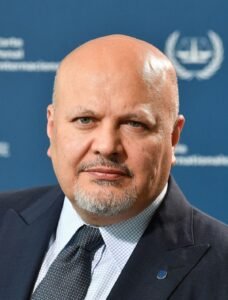
The allegations have emerged during one of the ICC’s most politically sensitive periods. Khan has overseen high-profile investigations involving Ukraine, Sudan, and the Israel-Hamas conflict, including requests for arrest warrants against senior Israeli and Hamas leaders. Some supporters of Khan have suggested the timing of the allegations is linked to political pressure on the court, while investigators and oversight bodies have maintained that the complaints are being handled independently through established disciplinary procedures.
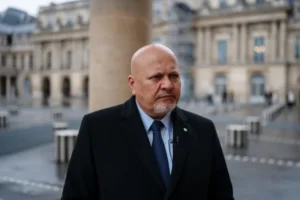
Human rights advocates say the case has raised broader questions about accountability within international institutions and the protection of employees who report misconduct. Some organizations have called for stronger safeguards for whistleblowers and victims of workplace harassment, regardless of the prominence of the officials involved.
As the Assembly of States Parties prepares to decide Khan’s future, the case has become one of the most significant internal crises in the ICC’s history. Whatever the outcome, the proceedings are expected to have lasting implications for the court’s leadership, credibility and efforts to combat impunity for international crimes.