
International
Mass Trial of Alleged MS-13 Gang Members Wraps Up in El Salvador

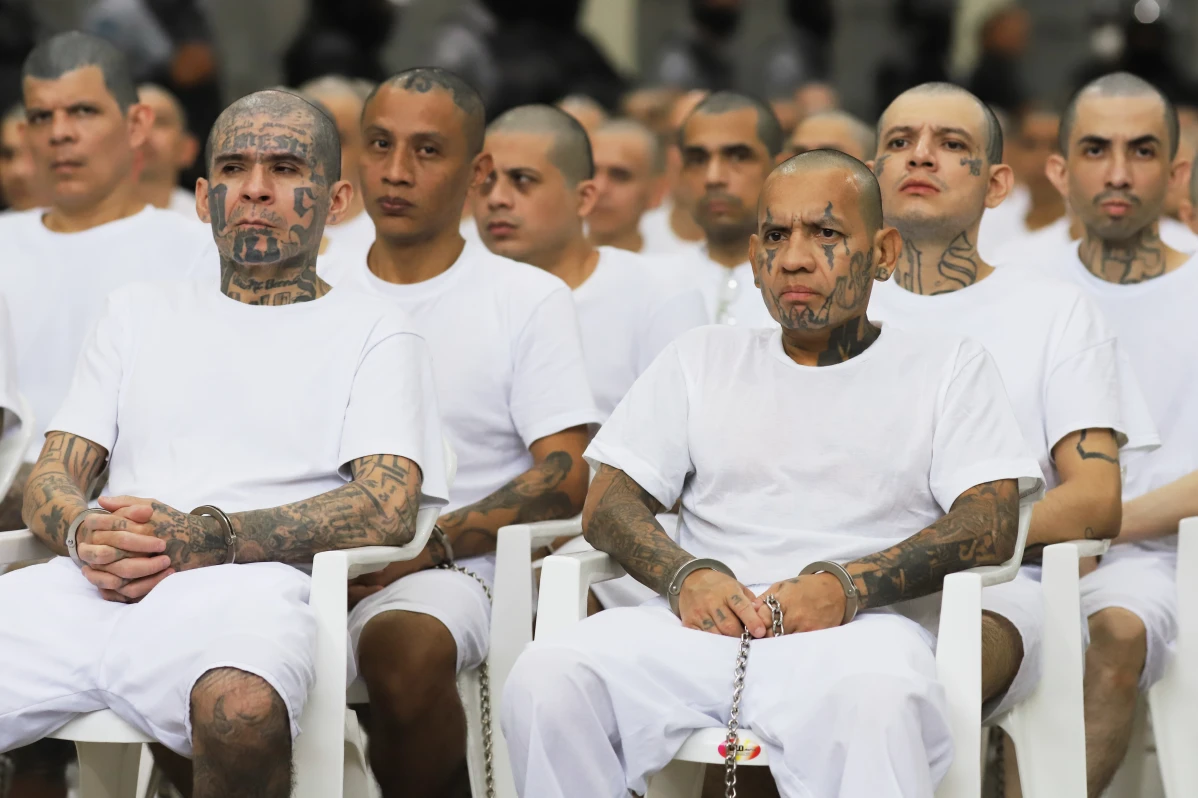
A landmark mass trial involving 485 alleged members of the Mara Salvatrucha (MS-13) gang has concluded in El Salvador, marking another major milestone in President Nayib Bukele’s controversial campaign against organized crime. After three months of proceedings, prosecutors delivered their closing arguments and asked the court to impose the maximum possible sentences on the defendants, who face accusations linked to thousands of violent crimes.
According to El Salvador’s Attorney General’s Office, the 485 defendants are accused of participating in 14,420 crimes committed between 2012 and 2022, including 444 murders, as well as extortion, drug trafficking, arms trafficking and human trafficking. Prosecutors also requested approximately US$9 million in civil damages for victims and their families.
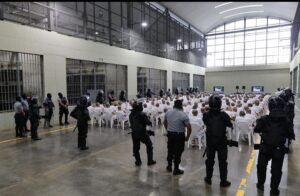
The proceedings were held under extraordinary security measures at the Terrorism Confinement Center (CECOT), the maximum-security prison built by Bukele’s administration to house thousands of suspected gang members. Most of the accused followed the hearings remotely from inside the prison via video link, while lawyers and prosecutors appeared before the court in San Salvador.
The trial became possible after legal reforms approved in 2023 allowed courts to try large numbers of defendants together when they belong to the same criminal organization or operated within the same territory. Authorities argued that the reform was necessary because of the enormous number of gang-related arrests made under the country’s ongoing state of emergency.
The state of emergency, first declared in March 2022, suspended several constitutional protections, including some due process rights, following a surge in gang-related killings. Since then, Salvadoran authorities say they have arrested more than 92,000 suspected gang members and collaborators, although about 8,000 detainees have later been released after investigators determined they had no gang ties.
While Bukele’s anti-gang campaign has dramatically reduced homicide rates and remains highly popular among many Salvadorans, it has also attracted strong criticism from international human rights organizations. Groups including Human Rights Watch argue that mass arrests, prolonged detention without trial and collective prosecutions undermine defendants’ rights to individual legal representation and fair trials. They have also raised concerns over allegations of arbitrary arrests and deaths in custody.

Government officials reject those criticisms, insisting that the measures are necessary to dismantle criminal organizations that terrorized communities for decades. Prosecutors presented hundreds of pieces of evidence during the proceedings, including audio recordings, videos and testimony from cooperating witnesses, arguing that the defendants formed part of an organized criminal structure responsible for widespread violence across the country.
The trial is the second major mass prosecution conducted under El Salvador’s revised criminal justice system. Last year, dozens of members of the rival Barrio 18 gang were convicted in a similar proceeding, reinforcing the government’s strategy of trying alleged gang members collectively rather than individually.

The court has not yet announced when it will deliver its verdict. Whatever the outcome, the case is expected to remain a defining test of El Salvador’s aggressive anti-gang policies, hailed by supporters as a model for restoring public security but condemned by critics as a threat to fundamental legal protections.