
International
Canadian Wildfire Smoke Blankets U.S. Midwest and Northeast, Triggering Evacuations

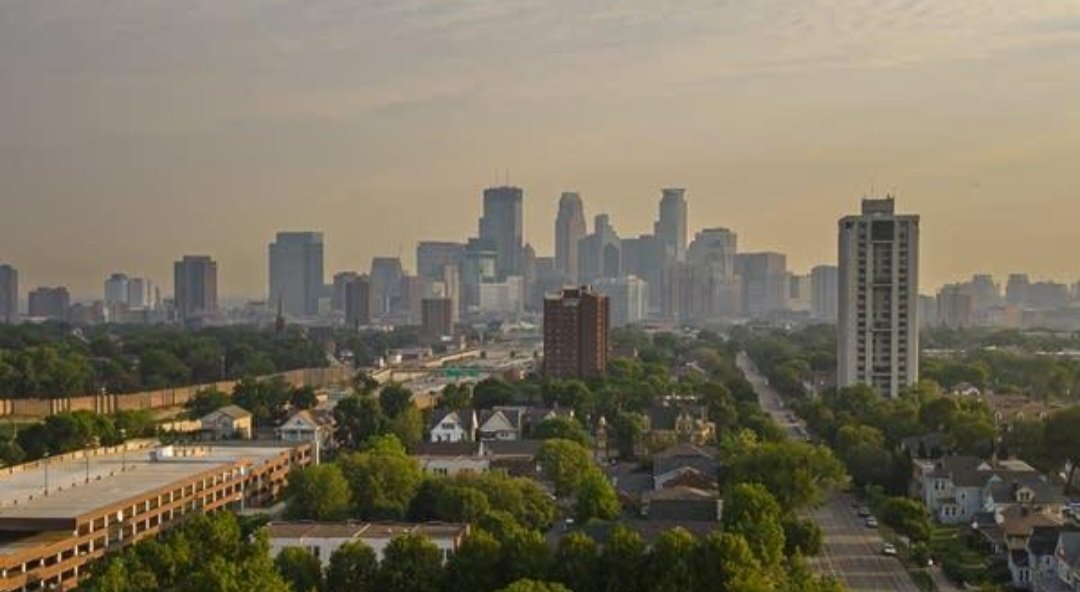
Thousands of people have been forced to evacuate parts of the U.S. Midwest as thick smoke from hundreds of wildfires burning across Canada spread over large sections of the United States, creating hazardous air quality conditions from Minnesota to New York and raising fresh concerns over public health and wildfire safety.
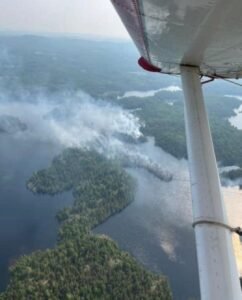
The most urgent evacuation efforts have taken place in Minnesota’s Boundary Waters Canoe Area Wilderness, where authorities ordered visitors to leave the remote wilderness after multiple lightning-sparked fires spread rapidly through the forest. The vast recreational area, accessible mainly by canoe, had an estimated 6,000 to 10,000 campers and visitors when evacuation orders were issued. Rangers and rescue teams have been using boats and long overland routes to guide people safely out of the area.
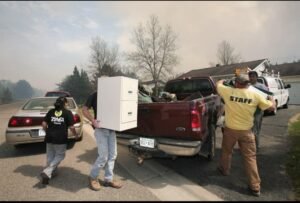
The smoke originates from more than 800 active wildfires burning across Canada, including over 100 fires that remain out of control, particularly in northwestern Ontario. Strong winds have carried massive smoke plumes southeastward, reducing visibility and pushing dangerous levels of fine particulate pollution into major cities across the Midwest, Great Lakes and Northeastern United States.
Air quality alerts have been issued across numerous U.S. states, including Minnesota, Wisconsin, Michigan, Illinois, New York, New Jersey, Connecticut and parts of New England. Officials warned that conditions could remain unhealthy for several days, especially for children, older adults, pregnant women and people with asthma, heart disease or other respiratory illnesses.
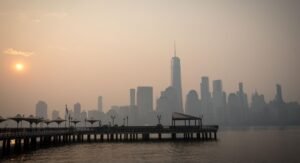
In New York City, officials advised residents to limit outdoor activities as smoky skies settled over the metropolitan area. Similar conditions affected other northeastern cities, with reports of yellow- and orange-colored skies stretching from the Great Lakes to the Atlantic coast. Forecasts indicated that the smoke could extend as far south as Washington, D.C. before weather systems begin dispersing it later in the week.
The wildfire smoke has coincided with an intense summer heatwave, creating a double health threat. Meteorologists warned that prolonged exposure to both high temperatures and polluted air significantly increases the risk of heat-related illnesses and respiratory complications. Authorities have urged residents to remain indoors where possible, keep windows closed, use air filtration systems if available, and wear properly fitted N95 masks when outdoor travel is unavoidable.
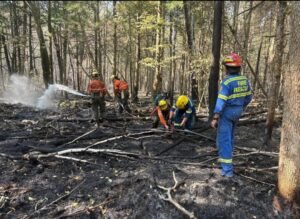
Canadian cities have also been heavily affected. Toronto recorded some of the worst air quality in the world as thick smoke enveloped the city, forcing the cancellation of outdoor events and prompting health officials to issue “very high risk” air quality warnings. Officials said the combination of smoke and record-breaking heat had created exceptionally hazardous conditions across parts of Ontario.
According to the U.S. National Interagency Fire Center, dozens of large wildfires are also burning across several American states, including Colorado, Idaho, Utah, Oregon, California, North Carolina and Minnesota. More than 16,000 firefighters are currently deployed nationwide as prolonged drought, unusually warm temperatures and low snowpack continue to fuel severe fire conditions.
Climate scientists note that wildfire seasons across North America have become increasingly severe in recent years, with rising temperatures, prolonged drought and changing weather patterns contributing to larger and more frequent fires. The latest smoke event serves as another reminder that major wildfires can have consequences far beyond the immediate burn zones, affecting millions of people hundreds or even thousands of kilometres away.
Authorities continue to monitor the situation closely as firefighters battle the blazes and weather forecasters assess changing wind patterns. Residents across affected regions have been urged to follow local emergency instructions and monitor air quality updates until conditions improve.