
International
Sanctioned Former President Michel Martelly Returns to Haiti Amid Mixed Reactions

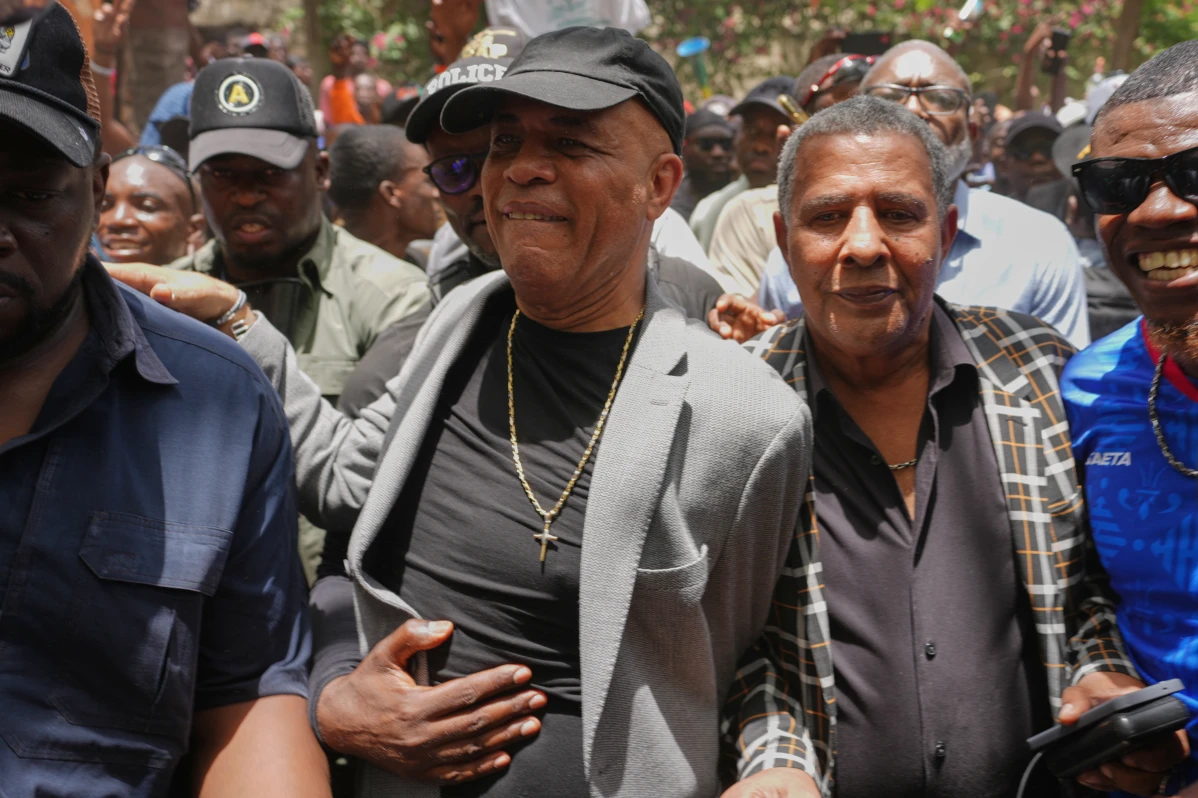
Former Haitian President Michel Martelly, who is under international sanctions over allegations of corruption and links to criminal networks, returned to Haiti this week, receiving a warm welcome from supporters while reigniting political controversy in a country already grappling with severe instability and gang violence.
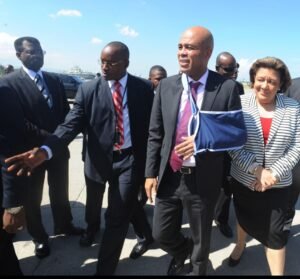
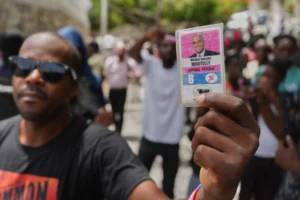
Martelly arrived at Port-au-Prince’s international airport where dozens of supporters gathered to greet him, chanting slogans and celebrating his return. Videos circulating on social media showed crowds cheering the former president as he made his way through the airport, highlighting the continued loyalty he enjoys among sections of the Haitian population despite the allegations against him. According to local media reports, the return took place without major incidents.

Martelly, a popular musician-turned-politician who served as Haiti’s president from 2011 to 2016, has been sanctioned by several countries, including the Canada and the United States, over allegations that he facilitated or benefited from activities linked to powerful criminal groups and corruption networks. He has repeatedly denied wrongdoing and has challenged the accusations made against him.
The sanctions imposed by Canada in 2022 accused Martelly of supporting armed gangs and contributing to the political and economic environment that enabled organized crime to flourish in Haiti. Canadian authorities froze assets and imposed travel restrictions, alleging that several prominent Haitian political and business figures had helped gangs expand their influence. Martelly has consistently rejected those claims, describing them as politically motivated.
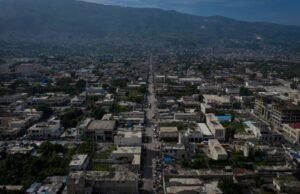
His return comes at a sensitive moment for Haiti, which continues to face one of the worst security crises in its modern history. Armed gangs control large portions of Port-au-Prince and surrounding areas, while kidnappings, killings and attacks on public institutions have displaced hundreds of thousands of people. The country is also awaiting broader stabilization efforts supported by international partners and a multinational security mission.
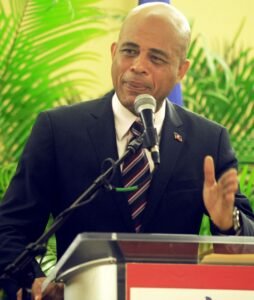
Political analysts say Martelly’s return could further complicate Haiti’s already fragile political environment. Although he no longer holds office, he remains an influential figure whose political movement helped shape Haiti’s leadership for years after his presidency. Some supporters view him as a leader capable of helping restore political stability, while critics argue that unresolved allegations surrounding his administration continue to cast a shadow over his legacy.
Human rights groups and anti-corruption advocates reacted cautiously to the development, emphasizing the need for accountability and transparency. Several organizations have urged Haitian authorities to continue investigating allegations involving political elites and criminal networks regardless of the status or influence of those involved.
For supporters, however, the former president’s homecoming was a moment of celebration. Many gathered at the airport waving flags and expressing hope that his presence could contribute to national dialogue during a period of profound uncertainty. The contrasting reactions underscore the deep political divisions that continue to shape Haiti’s future.
Whether Martelly’s return will have a lasting impact on the country’s political landscape remains uncertain. What is clear is that his arrival has once again placed one of Haiti’s most influential and controversial political figures at the center of national attention.