
International
China Asks Thailand to Deport Chinese Journalist as Rights Groups Warn of Persecution

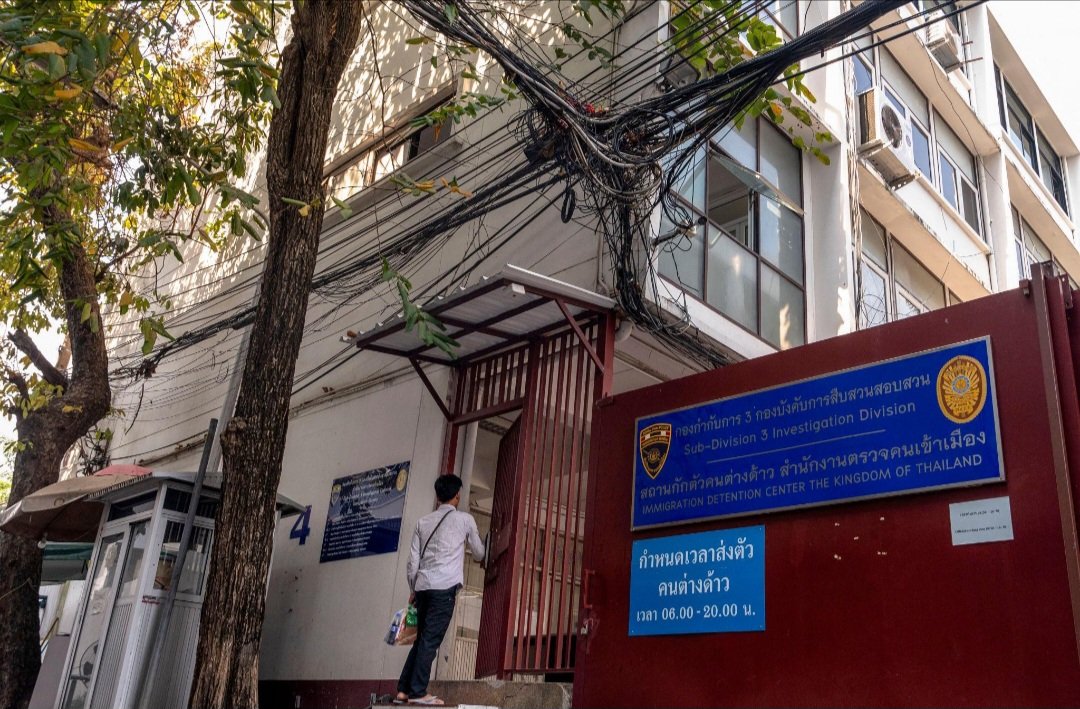
Human rights organizations have urged the Thai government not to deport prominent Chinese investigative journalist Bai Zhaodong to China, warning that he faces a serious risk of political persecution, arbitrary detention and torture if returned. The appeal comes after Beijing formally requested his deportation while he remains in immigration detention in Bangkok.
According to Reporters Without Borders (RSF) and the Spain-based advocacy group Safeguard Defenders, Bai has been detained at Bangkok’s Suan Phlu Immigration Detention Centre since January after Thai authorities prevented him from leaving the country. The groups say the Chinese government intensified pressure on Thailand to return the journalist because of his investigative reporting into alleged corruption involving senior Chinese Communist Party officials.

Chinese authorities accuse Bai of extortion and bribery, allegations that rights groups describe as politically motivated. Before leaving China in 2023, Bai reportedly faced repeated surveillance, interrogations and an arrest warrant linked to his reporting. Advocacy organizations argue the criminal case is intended to silence a journalist whose investigations embarrassed powerful officials.
In a joint statement, RSF and Safeguard Defenders warned that deporting Bai would expose him to a “grave, foreseeable and real risk” of enforced disappearance, torture and other serious human rights violations. The organizations called on Thailand to uphold international law by refusing China’s request and allowing Bai access to international protection.
The case comes at a diplomatically sensitive time, with Thai Prime Minister Anutin Charnvirakul visiting China for high-level meetings. Human Rights Watch says at least four Chinese dissidents, including Bai, currently face possible deportation from Thailand despite being recognized as refugees by the UN High Commissioner for Refugees (UNHCR).
Human Rights Watch warned that Thailand risks violating the international principle of non-refoulement, which prohibits countries from returning individuals to places where they face a genuine risk of persecution or torture. Although Thailand is not a party to the 1951 Refugee Convention, it is bound by obligations under the UN Convention Against Torture and Thailand’s own 2023 Act on Prevention and Suppression of Torture and Enforced Disappearances.

China, meanwhile, maintains that it respects freedom of expression and that Bai is wanted solely in connection with alleged criminal offences rather than his journalism. Chinese officials have not publicly responded to the specific allegations made by the rights organizations regarding political persecution. Thai authorities have also not issued an official statement on Bai’s case.
The case has revived international scrutiny of Thailand’s record on deportations. Earlier controversies, including the forced return of Uyghur detainees to China despite warnings from rights groups, prompted criticism from governments and international organizations concerned about the safety of those deported. Human rights advocates argue that Bai’s case could become another important test of Thailand’s commitment to protecting refugees and political dissidents.

For press freedom organizations, the dispute highlights growing concerns about the ability of Chinese journalists and dissidents to seek refuge abroad. They argue that governments should resist political pressure to return individuals who could face prosecution because of their reporting or peaceful criticism of authorities.
As diplomatic discussions continue, Bai Zhaodong remains in detention while rights groups intensify their campaign to prevent his deportation. His case is likely to remain closely watched by journalists, legal experts and international human rights organizations as Thailand decides whether to comply with Beijing’s request.