
International
More Than 800 Canadian Wildfires Burning as Air Quality Alerts Extend Into United States

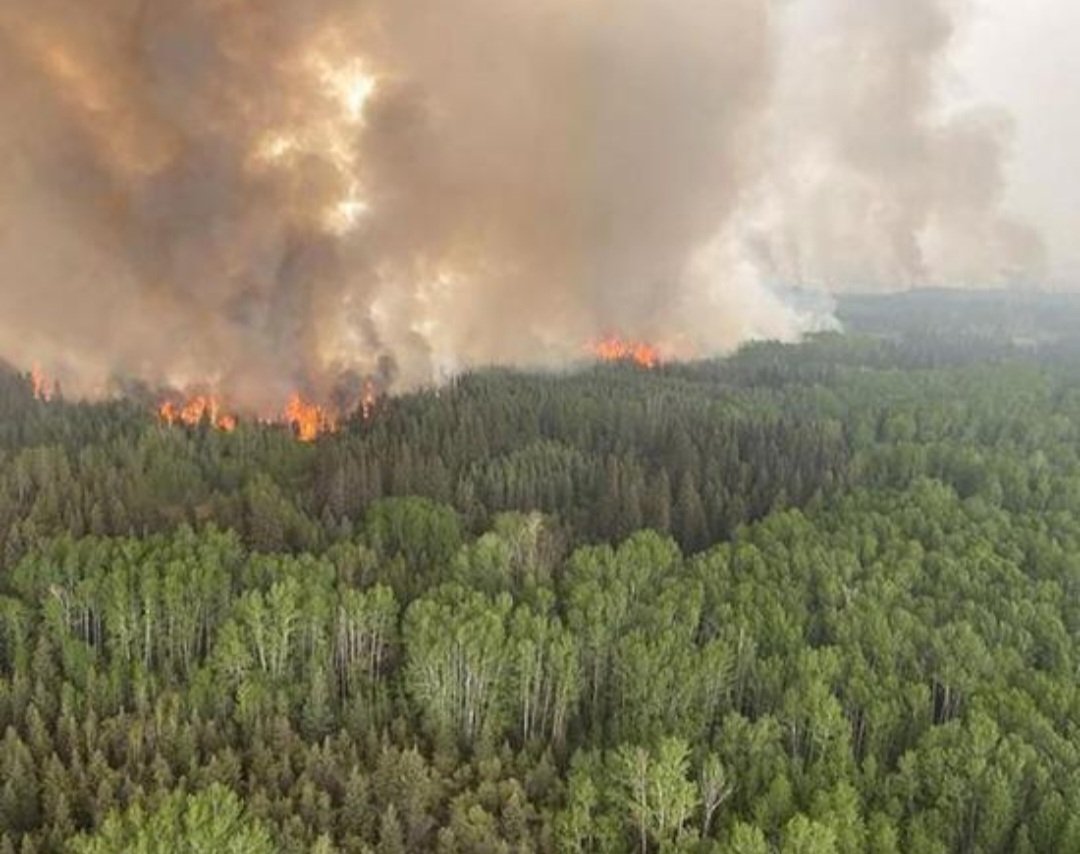
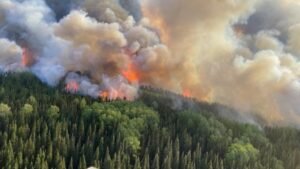
Canada is battling one of its most severe wildfire seasons in recent years, with more than 800 active wildfires burning across several provinces and territories, while thick smoke continues to drift southward into the United States, prompting widespread air quality alerts and health warnings. Reports from Canadian authorities indicate that hundreds of the fires remain out of control, forcing evacuations and stretching firefighting resources.
The largest concentrations of fires are located in British Columbia, Alberta, Saskatchewan, Manitoba, and parts of northern Ontario, where prolonged dry conditions, strong winds and unusually high temperatures have fueled rapid fire growth. Emergency management agencies have warned that changing weather patterns could allow some blazes to expand further in the coming days.
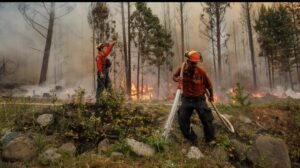
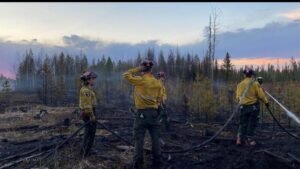
According to the Canadian Interagency Forest Fire Centre (CIFFC), thousands of firefighters, supported by aircraft and emergency personnel from both Canada and international partners, are working to contain the fires. Several communities have been evacuated as flames threatened homes, infrastructure and critical transportation routes.

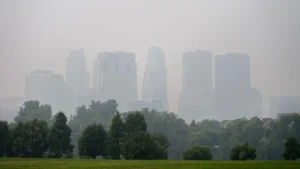
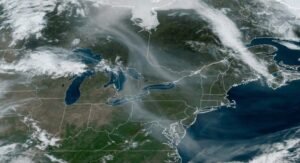
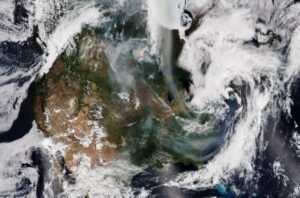
The impact of the fires is being felt far beyond Canada’s borders. Massive plumes of smoke have spread across the Midwest, Great Lakes region, and the Northeastern United States, reducing visibility and causing hazardous air quality conditions in numerous cities. U.S. authorities issued alerts advising residents, especially children, older adults and people with respiratory illnesses, to limit outdoor activities.
Major cities including Chicago, Detroit, Minneapolis, Milwaukee, Buffalo, and parts of New York State experienced elevated pollution levels as smoke particles accumulated in the atmosphere. Meteorologists noted that shifting wind patterns carried smoke thousands of kilometers from the fire zones, creating hazy skies across large sections of North America.
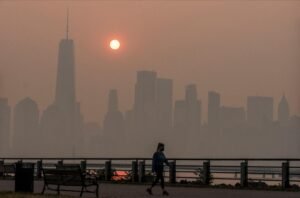
Health experts warned that wildfire smoke contains fine particulate matter capable of penetrating deep into the lungs and bloodstream. Exposure can aggravate asthma, chronic obstructive pulmonary disease (COPD), heart conditions and other respiratory illnesses. Public health agencies recommended that vulnerable individuals remain indoors, use air filtration systems when possible and wear high-quality masks if outdoor exposure is unavoidable.
Scientists say climate change is contributing to longer and more intense wildfire seasons across Canada. Rising temperatures, reduced soil moisture and more frequent drought conditions have increased the likelihood of large-scale fires in forested regions. Researchers warn that such events may become more common if global temperatures continue to rise.
Economic impacts are also mounting. Wildfires have disrupted transportation networks, affected tourism, and threatened energy and mining operations in some regions. Insurance analysts are monitoring potential losses, while governments continue to allocate emergency funding for firefighting and recovery efforts.
Canadian officials stressed that the wildfire season is far from over. With weeks of summer weather still ahead, authorities are urging residents in high-risk areas to remain prepared for possible evacuation orders and to follow emergency instructions closely. Meanwhile, air quality experts say smoke conditions in parts of the United States could fluctuate significantly depending on wind direction and fire activity.
As firefighters continue their battle against hundreds of active blazes, communities across North America are confronting the growing environmental and public health challenges posed by increasingly severe wildfire seasons.