
International
Andy Burnham Poised to Become Britain’s Next Prime Minister After Labour Leadership Win

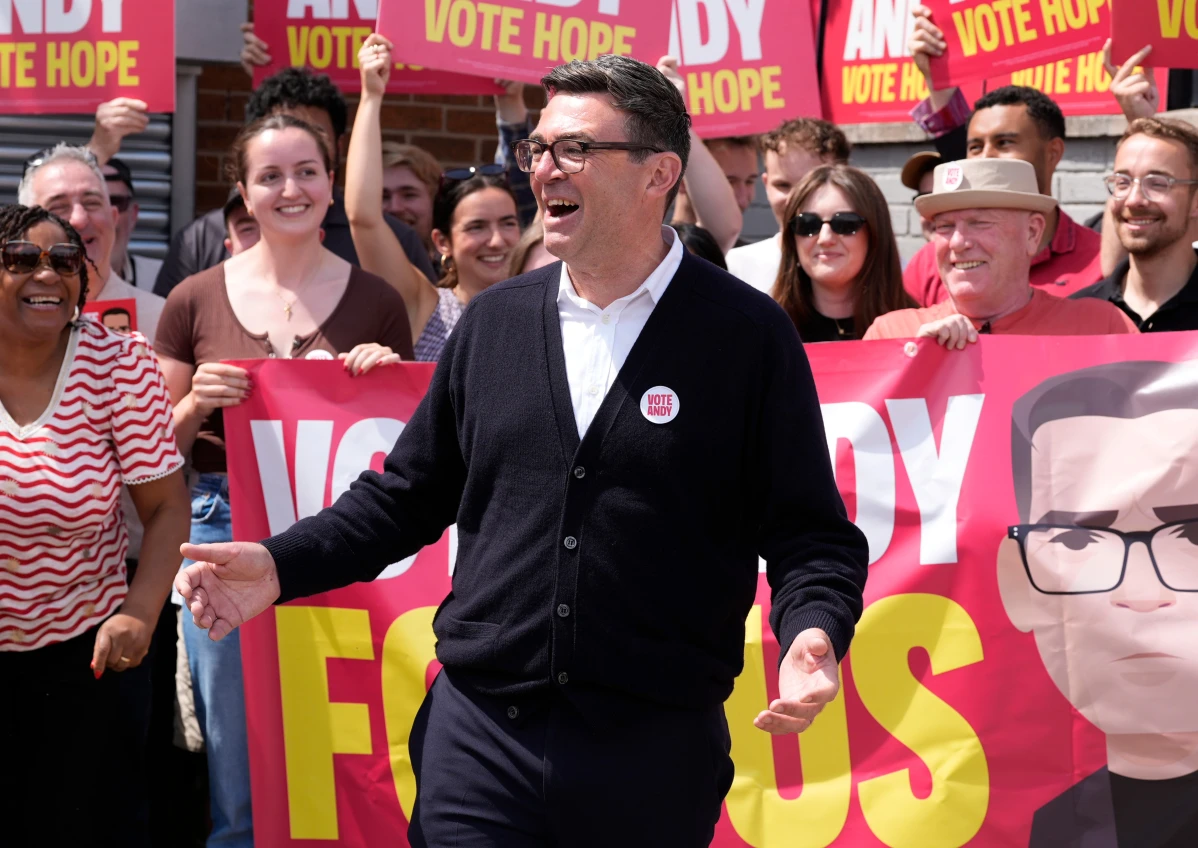
Andy Burnham, the former Mayor of Greater Manchester who built his political reputation championing England’s north, is poised to become the United Kingdom’s next prime minister following his unopposed victory in the governing Labour Party’s leadership contest. The transition follows the resignation of Prime Minister Keir Starmer and marks one of the most significant shifts in British politics in recent years.
Burnham, 56, is expected to become Britain’s 59th prime minister after formally taking over as Labour leader. His return to frontline national politics comes nearly a decade after he left Parliament to serve as Mayor of Greater Manchester, a move that many initially viewed as a step away from Westminster but which ultimately strengthened his national profile.
Born in Liverpool and raised in Merseyside, Burnham studied at the University of Cambridge before entering politics as an adviser to Labour ministers. He later served in several Cabinet positions under former prime ministers Tony Blair and Gordon Brown, including Health Secretary and Culture Secretary.
After losing previous Labour leadership contests, Burnham reinvented his political career by becoming Greater Manchester’s first directly elected mayor in 2017. During his time in office, he became widely known for advocating greater regional powers, improving public transport and defending northern communities, particularly during the COVID-19 pandemic when he challenged the central government’s funding policies.
His approach, sometimes described as “Manchesterism,” combined public investment with private-sector partnerships and helped transform Manchester into one of Britain’s fastest-growing regional economies. Supporters say that record demonstrated his ability to govern pragmatically while addressing regional inequalities.
Burnham’s path to the premiership became virtually assured after he secured the backing of an overwhelming majority of Labour Members of Parliament, leaving no realistic challenger able to enter the leadership race.
He first returned to Parliament through a by-election in the constituency of Makerfield before winning Labour’s leadership unopposed, paving the way for him to replace Starmer as prime minister.

Burnham has pledged to pursue a programme focused on reducing regional inequality, tackling the cost-of-living crisis, expanding social housing and devolving more powers from London to local governments.
He has also proposed moving parts of the Prime Minister’s Office and other government functions outside London, including establishing a stronger government presence in Manchester as part of his broader agenda to rebalance the British economy.
Despite widespread support within Labour, analysts say Burnham faces immediate challenges.
Critics argue that while he has extensive experience in domestic policy and local government, he has relatively limited foreign policy experience at a time when Britain is confronting global security challenges and economic uncertainty. Others have questioned whether his economic plans contain sufficient detail to reassure financial markets.
Nevertheless, his allies describe him as a skilled communicator with a strong record of public service and believe his emphasis on regional development could reshape Britain’s political landscape.
As Burnham prepares to enter Downing Street, expectations are high that his administration will seek to restore public confidence in government while delivering reforms aimed at spreading economic opportunity beyond London and the southeast.