
International
Andy Burnham Declared Leader of Britain’s Labour Party, to Become Prime Minister on Monday

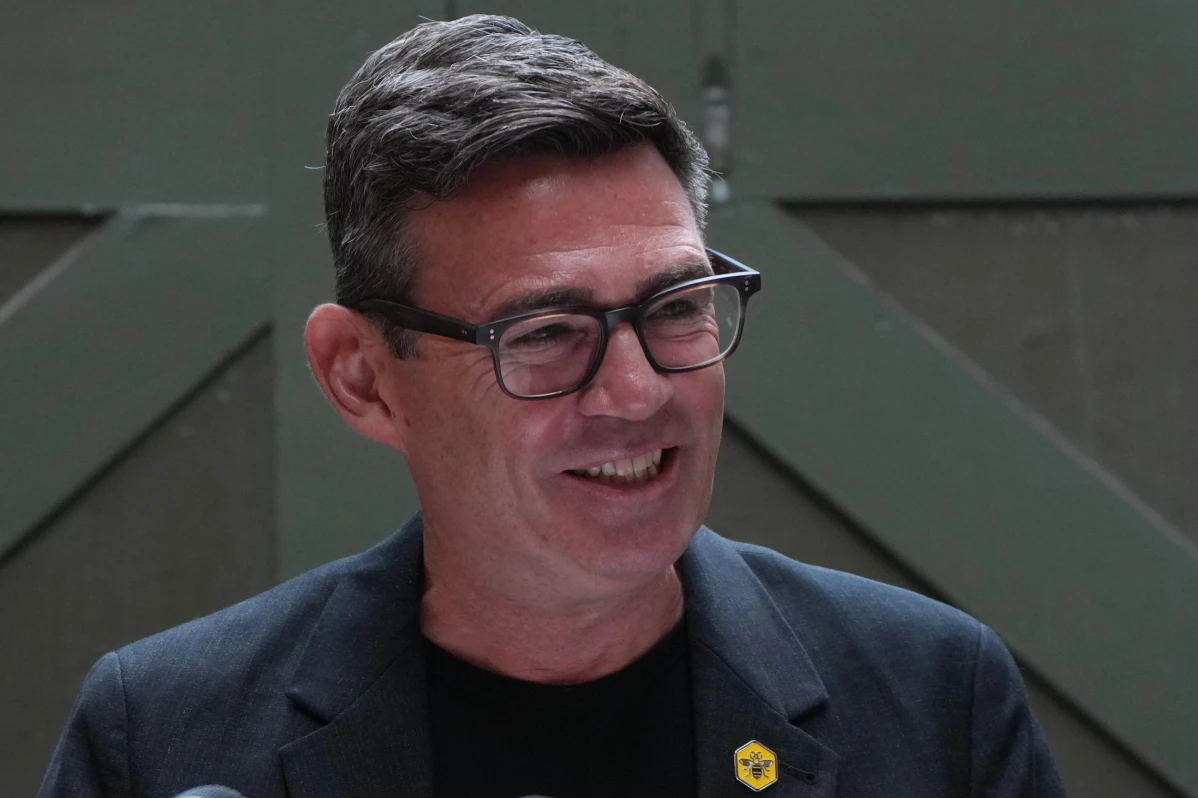
Andy Burnham has officially been declared leader of Britain’s governing Labour Party, clearing the final hurdle before becoming the United Kingdom’s next prime minister on Monday. His appointment follows the resignation of Prime Minister Keir Starmer after weeks of mounting political pressure and poor local election results for Labour.
Burnham, the former Mayor of Greater Manchester, emerged as the sole candidate in the Labour leadership contest after securing the backing of an overwhelming majority of Labour Members of Parliament. By Thursday night, he had received nominations from 379 of the party’s 403 MPs, making his victory all but certain before the official declaration.
Speaking after his victory was confirmed at a special Labour Party conference in London, Burnham pledged to restore optimism and rebuild public confidence in politics.
“I am ready,” he declared, promising to lead a government focused on national renewal, economic growth and unity while confronting what he described as Britain’s growing political divisions.
Burnham’s rise to Britain’s highest political office marks a remarkable political comeback.
After serving in several Cabinet positions under former Prime Ministers Tony Blair and Gordon Brown; including Health Secretary and Culture Secretary, Burnham left Westminster in 2017 to become Greater Manchester’s first directly elected mayor.
His tenure earned him national recognition, particularly during the COVID-19 pandemic, when he openly challenged the central government over financial support for northern England. His advocacy for regional development and greater devolution helped establish him as one of Labour’s most popular political figures.
Although Burnham has yet to unveil a full policy agenda or announce his Cabinet, he has outlined several priorities for his incoming administration.
These include tackling the cost-of-living crisis, expanding affordable housing, reforming social care, improving public services and transferring more political and economic powers from London to regions across England.
Burnham has also reiterated his long-standing ambition to decentralize government, arguing that Britain has become overly centralized and that local communities should have greater control over decisions affecting their economies and public services.
Speaking to reporters after his election, Burnham said he has not yet finalized his Cabinet but promised it would represent all wings of the Labour Party and reflect communities from across the United Kingdom.
He said his government would seek to unite the party while focusing on delivering practical solutions to Britain’s economic and social challenges.
Burnham takes office at a difficult time for Britain.
The country continues to grapple with sluggish economic growth, high living costs, pressures on the National Health Service, housing shortages and international security concerns.
Political analysts say the new prime minister will face immediate pressure to stabilize his government, rebuild public confidence and demonstrate that Labour can deliver meaningful improvements after months of declining support under Starmer.
Burnham is expected to formally meet King Charles III on Monday before taking office as Britain’s 59th prime minister and moving into 10 Downing Street, beginning a new chapter in British politics.