
International
Guinea-Bissau Opposition Urges ECOWAS to Back Civilian Transition, Reject Military-Led Reforms

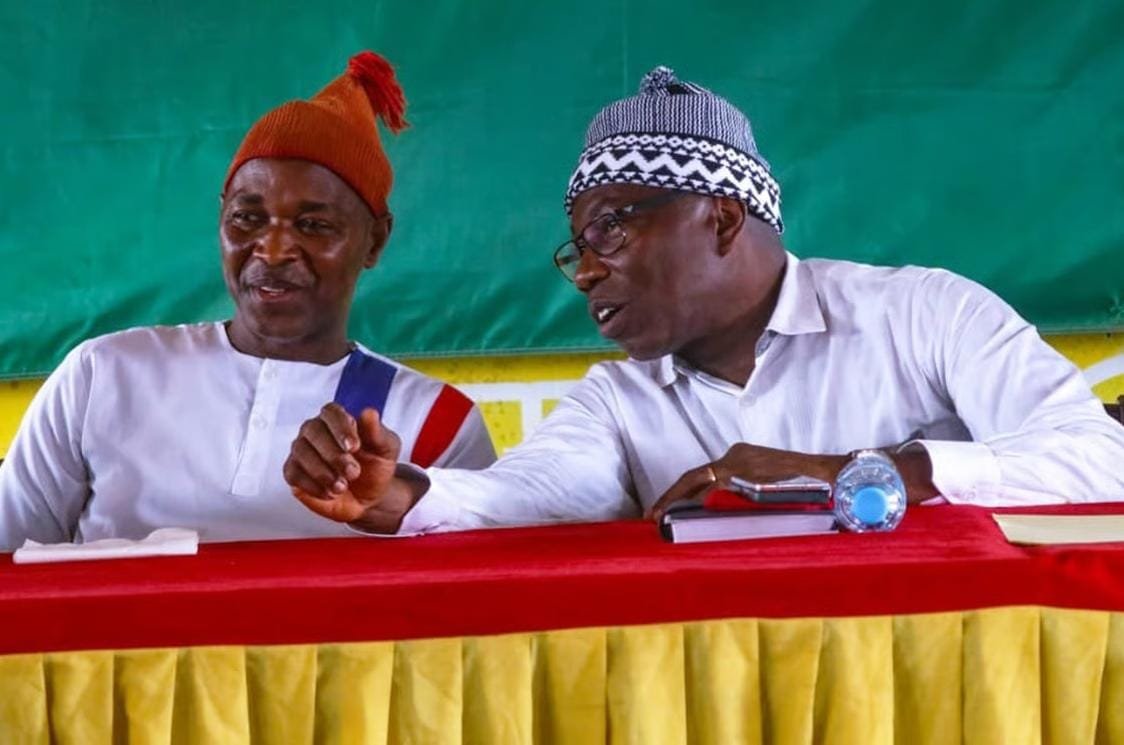
Ahead of the ECOWAS Heads of State Summit in Freetown, Sierra Leone, Guinea-Bissau’s two main opposition coalitions have called on regional leaders to compel the country’s military authorities to hand over power to a civilian-led transitional government and abandon proposed constitutional and electoral reforms.
In a memorandum addressed to ECOWAS Chair and Sierra Leonean President Julius Maada Bio, the opposition alliances—PAI-TR and API-CG—said only an inclusive civilian transition, headed by a civilian president and prime minister, could restore constitutional order and organise credible elections.
The groups accused the military-led authorities of disregarding ECOWAS decisions reached at the Abuja Summit in December 2025 by creating what they described as an illegitimate National Transitional Council (NTC), drafting a new constitution without public consultation and scheduling a constitutional referendum for August 30, 2026.
They also alleged that the authorities had revised the country’s Electoral Code based on the proposed constitution and were moving ahead with political reforms without national consensus.
The opposition further accused the military government of suppressing political opposition, citing the continued detention of National People’s Assembly President and PAIGC leader Domingos Simões Pereira, restrictions on political activities, closure of party offices and alleged human rights abuses, including arbitrary arrests, kidnappings and intimidation of opposition figures.
Calling for ECOWAS intervention, the coalitions urged the regional bloc to reject the planned constitutional referendum and reforms approved by the National Transitional Council, facilitate dialogue among political stakeholders and ensure the implementation of earlier ECOWAS resolutions aimed at restoring democratic governance.
The appeal comes as ECOWAS leaders prepare to meet in Freetown on July 19, with the political crisis in Guinea-Bissau expected to feature prominently on the summit’s agenda amid growing regional concerns over unconstitutional changes of government and democratic governance in West Africa.