
International
Indian Activist Hospitalized After 21-Day Hunger Strike as Health Deteriorates

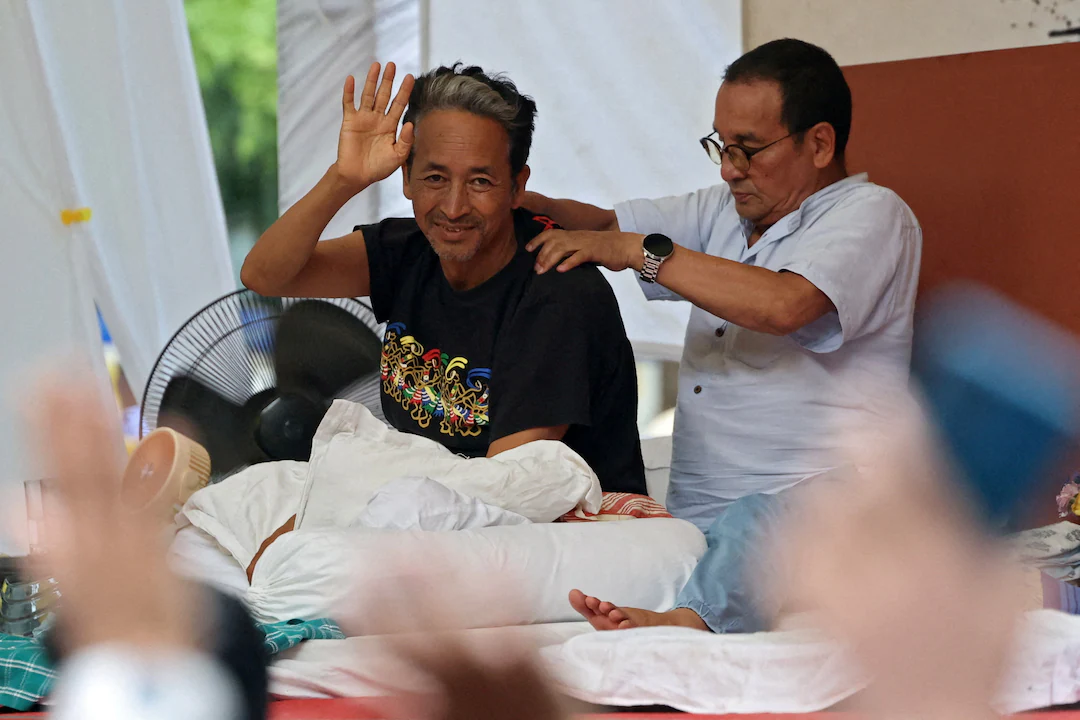
Prominent Indian social activist and education reform campaigner Sonam Wangchuk has been transferred to a government hospital in New Delhi after his health deteriorated during a 21-day hunger strike, a development that has further intensified a growing nationwide protest over India’s education system.
Delhi Police confirmed on Saturday that Wangchuk, 59, was moved to Safdarjung Hospital after medical experts warned that his prolonged fast had severely weakened his condition. Authorities said the transfer was carried out on the advice of doctors and in compliance with directions issued by the Delhi High Court, which had earlier instructed officials to closely monitor his health and intervene if necessary.
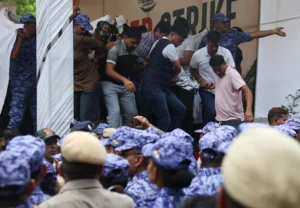
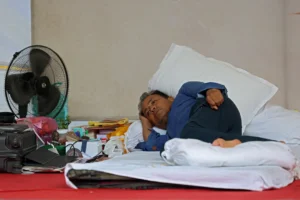
Wangchuk began his indefinite hunger strike on June 28 in solidarity with the youth-led Cockroach Janta Party (CJP) movement, which is demanding the resignation of India’s Education Minister, Dharmendra Pradhan, over allegations of examination paper leaks in May that affected millions of students. Protesters have also called for greater transparency in the country’s examination system and compensation for families of students reportedly driven to suicide following the scandal.
Police said Wangchuk’s removal from the protest site at Jantar Mantar, New Delhi’s designated demonstration area, was necessary to provide “essential medical care.” Officers stated that some protesters attempted to obstruct the operation, causing a brief commotion, but denied using excessive force during the transfer.
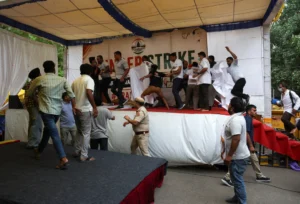
However, organisers of the protest sharply criticised the police action, alleging that Wangchuk was taken away against his will without immediately informing supporters of his whereabouts. Abhijeet Dipke, founder of the Cockroach Janta Party, accused authorities of suppressing peaceful dissent and announced that he would begin his own indefinite hunger strike in Wangchuk’s place. The group has also vowed to proceed with a planned protest march to India’s Parliament when lawmakers reconvene.
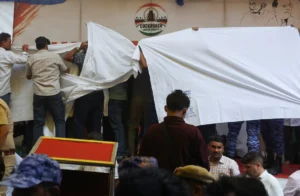
Doctors at Safdarjung Hospital later said Wangchuk was in stable condition but remained weak due to dehydration and the effects of prolonged fasting. Medical officials indicated that he would require continuous monitoring and treatment to stabilize his health. Some of his family members have reportedly questioned aspects of his treatment, claiming certain medical procedures were initiated without his consent.
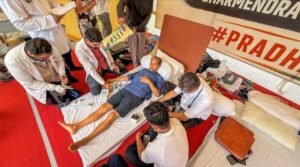
The Delhi High Court had become involved earlier in the week after a public interest petition raised concerns about Wangchuk’s rapidly declining health. While the court stopped short of ordering force-feeding, it instructed authorities to ensure his condition did not deteriorate to a life-threatening stage.
Wangchuk, an engineer and environmental activist best known for his work promoting sustainable development in Ladakh, has become one of the most prominent faces of the current education reform movement. His hunger strike has drawn widespread attention across India, generating massive support on social media and attracting students, academics and civil society groups who argue that repeated examination irregularities have undermined public confidence in the country’s education system.
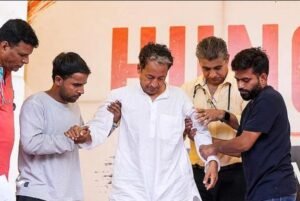
Despite his hospitalization, protest leaders insist their campaign will continue until the government addresses their demands. Security has been tightened around Jantar Mantar, and authorities remain on alert ahead of further demonstrations expected in New Delhi in the coming days.