
International
Sri Lanka Turns to Drones in the Fight Against Dengue Fever

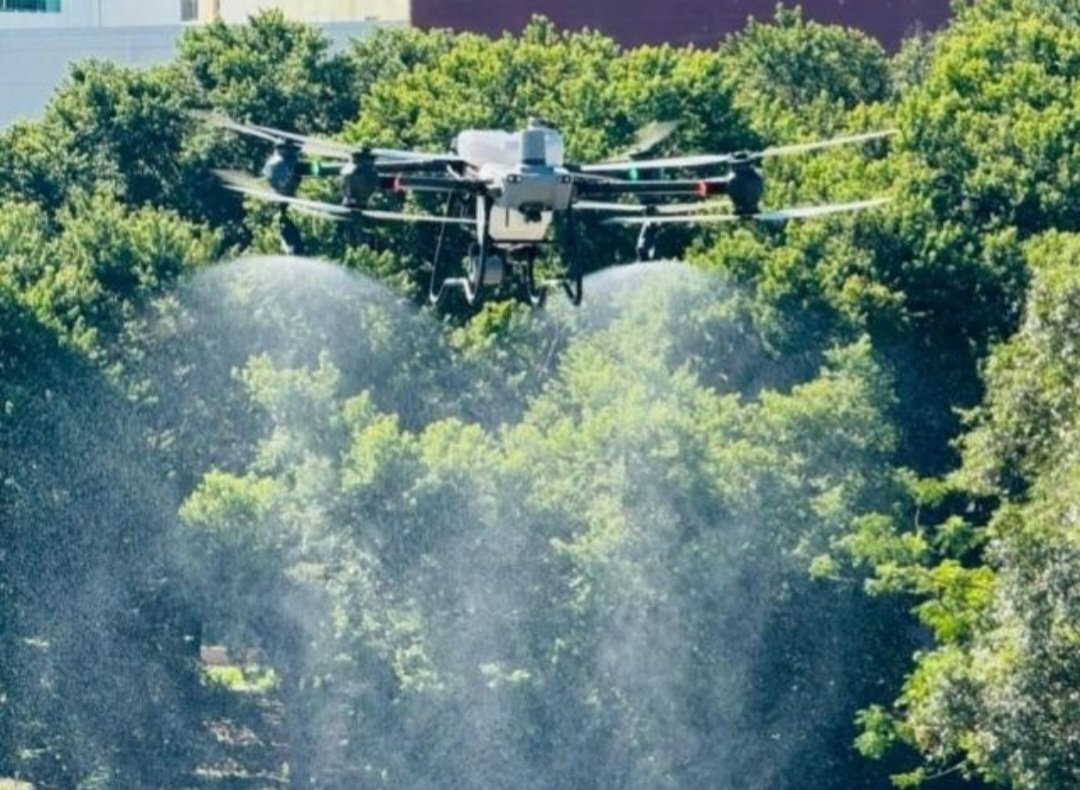
Sri Lanka is increasingly using drone technology in its fight against dengue fever, a mosquito-borne viral disease that continues to pose one of the country’s most serious public health challenges. Health authorities hope the technology will improve surveillance, identify hidden mosquito breeding sites and reduce infections as dengue cases remain a recurring threat across the island nation.
Dengue is transmitted primarily by the Aedes aegypti mosquito, which breeds in stagnant water commonly found in discarded containers, clogged drains, construction sites, rooftop gutters and water storage tanks. Unlike many mosquitoes, Aedes mosquitoes are most active during the daytime, making them particularly effective at spreading the virus in densely populated urban areas.
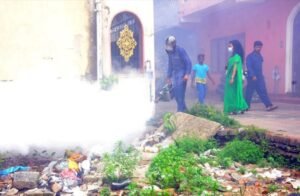
Sri Lanka has experienced repeated dengue outbreaks over the past decade, with thousands of infections reported annually during the monsoon seasons. Health officials say rapid urbanisation, climate change, poor waste management and intermittent rainfall have created ideal conditions for mosquito breeding, making disease control increasingly difficult.
To tackle the problem, authorities are deploying drones equipped with high-resolution cameras to scan neighbourhoods from the air. The aircraft can identify rooftop water tanks, blocked drainage systems, abandoned properties and other locations where stagnant water may collect, areas that are often difficult or dangerous for inspection teams to access on foot.
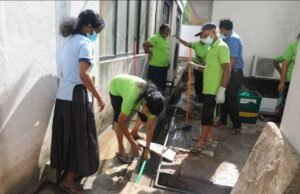
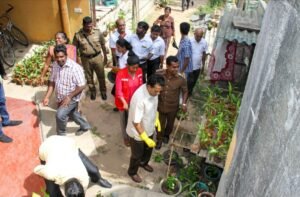
Once potential breeding sites are identified, local health inspectors are dispatched to eliminate standing water, apply environmentally approved larvicides or educate residents on preventing mosquito breeding around their homes. Officials say the drones significantly reduce the time needed to survey large urban areas and allow resources to be directed more efficiently.
Public health experts believe the technology offers an important advantage because traditional door-to-door inspections can be labour-intensive and may miss inaccessible locations. Drone mapping also enables authorities to monitor areas repeatedly and assess whether mosquito control measures are working over time.
Dengue symptoms typically include high fever, severe headache, pain behind the eyes, muscle and joint pain, nausea and skin rashes. While many patients recover within a week, severe dengue can cause internal bleeding, organ failure and shock, requiring urgent hospital treatment. There is currently no specific antiviral treatment for dengue, making early diagnosis, supportive medical care and mosquito control the primary strategies for reducing deaths.
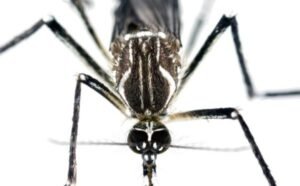
The World Health Organization (WHO) considers dengue one of the world’s fastest-growing mosquito-borne diseases, with infections increasing dramatically in recent decades. Scientists attribute the expansion to climate change, increased international travel, rapid urban growth and the wider spread of Aedes mosquitoes into previously unaffected regions.
Sri Lanka’s use of drones reflects a broader global trend of incorporating technology into disease surveillance. Countries across Asia and Latin America have begun testing drones, artificial intelligence and satellite mapping to identify mosquito hotspots more quickly and strengthen public health responses before outbreaks spiral out of control.
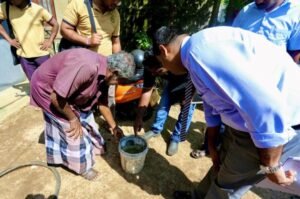
Health authorities stress that technology alone cannot eliminate dengue. They continue to urge residents to remove standing water from their properties, keep water storage containers covered, clean gutters regularly and seek medical attention promptly if symptoms develop after a mosquito bite.