
International
How India’s ‘Cockroach Janta Party’ Became Modi’s Biggest Youth Challenge

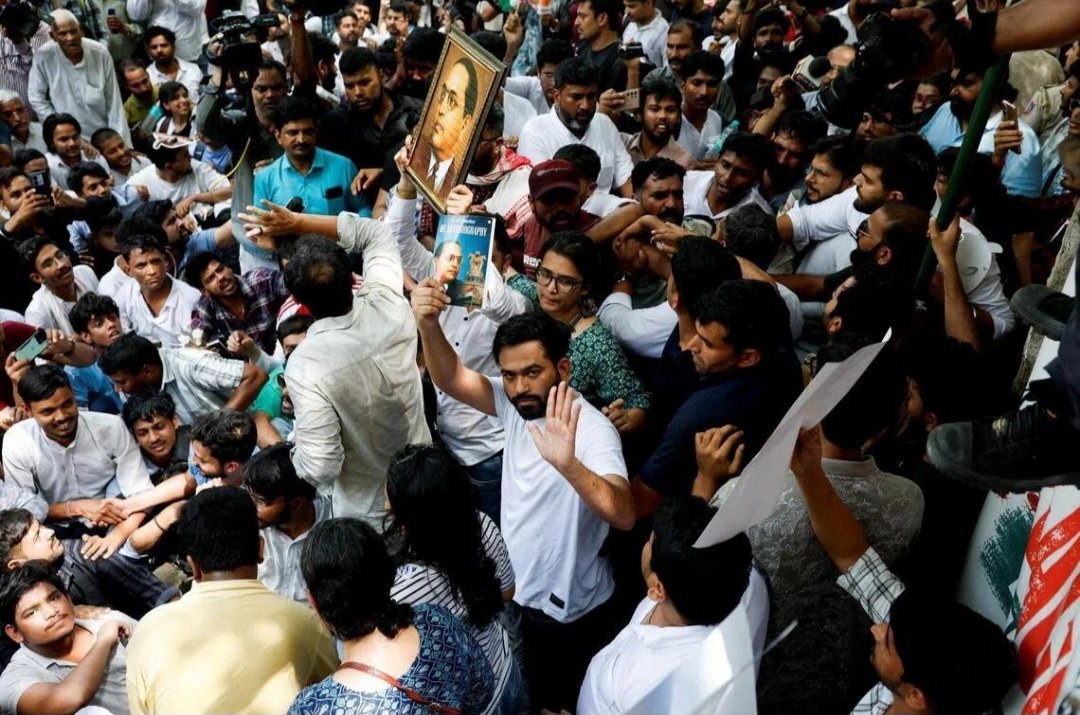
What began as outrage over repeated examination paper leaks has transformed into one of the largest youth-led protest movements faced by Indian Prime Minister Narendra Modi since he first took office in 2014. The demonstrations, led by the self-styled Cockroach Janta Party (CJP), have spread across major Indian cities, drawing tens of thousands of students, graduates and young professionals demanding sweeping reforms to India’s education system and greater accountability from the government.
The movement traces its origins to allegations of widespread leaks in competitive entrance examinations, including tests that determine admission to universities and recruitment into government jobs. Protesters say repeated failures to secure the integrity of these exams have shattered the dreams of millions of young Indians who spend years preparing for highly competitive opportunities. The controversy has also reignited concerns over unemployment and limited economic opportunities for the country’s growing youth population.
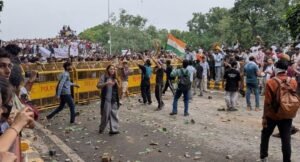
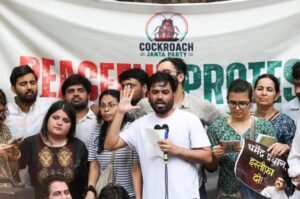
The name Cockroach Janta Party was adopted after India’s Chief Justice reportedly likened unemployed young activists to “cockroaches” during court proceedings. Instead of rejecting the label, activists embraced it as a symbol of resilience, turning it into a viral social media campaign that rapidly evolved into a nationwide political movement. Memes, protest art and online campaigns helped transform the insult into a rallying cry for frustrated young Indians.
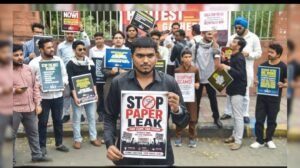
As demonstrations intensified, protesters converged on New Delhi, calling for the resignation of Education Minister Dharmendra Pradhan and demanding independent investigations into exam leaks, tougher anti-corruption measures and comprehensive reforms to India’s examination system. Protest leaders insist that isolated arrests or promises of future legislation are insufficient, arguing that systemic failures have persisted for years.
The protests gained additional momentum through the involvement of renowned environmental activist Sonam Wangchuk, whose 26-day hunger strike drew national attention to the students’ demands. Although Wangchuk ended his fast after government officials agreed to hold talks, organizers vowed that demonstrations would continue until meaningful reforms are implemented.

Facing mounting public pressure, the Modi government has proposed legislation introducing tougher penalties for examination paper leaks and announced plans for fast-track courts to prosecute offenders. However, protest leaders argue that previous promises have produced few convictions despite numerous exam leak scandals over the past decade. They are demanding institutional reforms that address the root causes of corruption rather than temporary political responses.
Authorities have responded by increasing security across New Delhi, temporarily closing several metro stations and restricting mobile internet access in parts of the capital during major demonstrations. Police have also detained some protesters, while opposition political parties have voiced support for the movement and disrupted parliamentary proceedings in solidarity with the students.
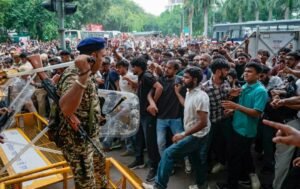
Political analysts say the CJP protests represent a significant challenge for Modi because they are largely driven by young people with no formal political affiliation. Unlike previous demonstrations centred on religion or regional issues, the current movement focuses on education, employment and economic opportunity, issues that resonate across social and political divides. Whether negotiations with the government produce lasting reforms remains uncertain, but the protests have already reshaped India’s political conversation and highlighted the frustrations of a generation demanding greater transparency and accountability.