
International
U.S. Immigration Crackdown Threatens Haitian Caregivers and the Seniors Who Depend on Them

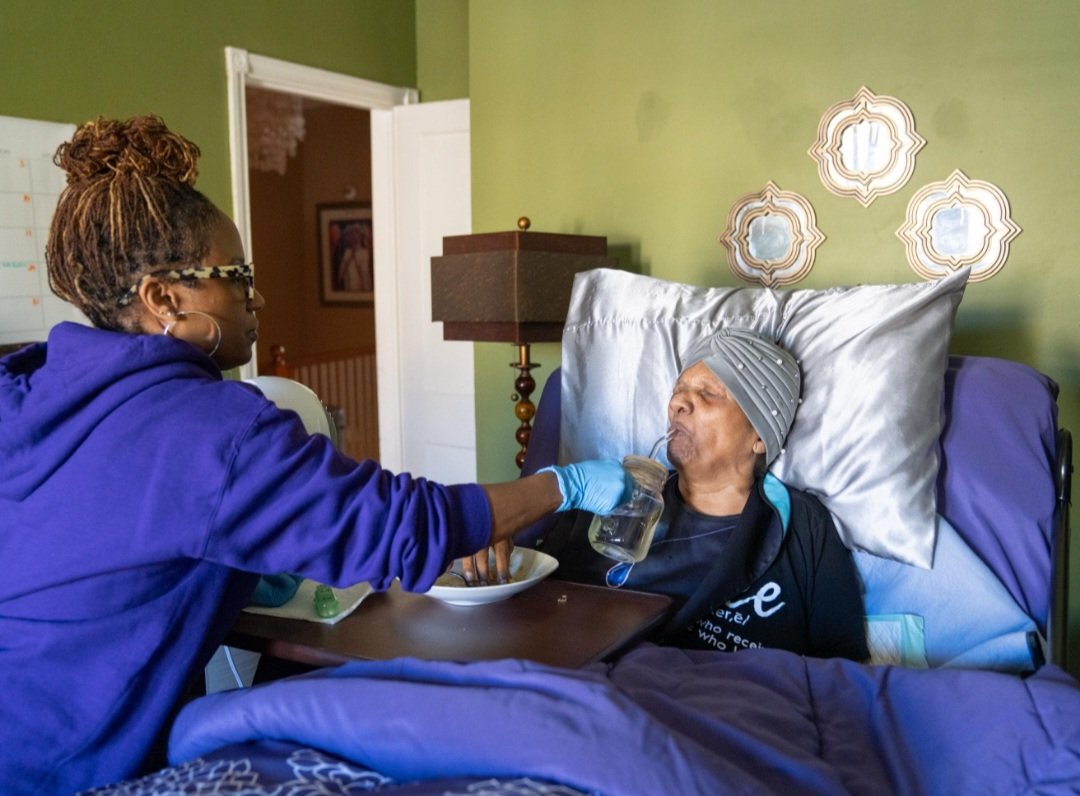
Thousands of elderly and disabled Americans could soon lose the caregivers they rely on every day as the Trump administration moves to end legal protections for many Haitian immigrants, creating what healthcare providers and advocacy groups describe as a looming crisis for an already overstretched caregiving sector. The policy shift follows a recent U.S. Supreme Court decision allowing the administration to terminate Temporary Protected Status (TPS) for hundreds of thousands of Haitians, placing many long-serving home health aides and nursing home workers at risk of losing their jobs and facing deportation.


The impact extends far beyond immigration enforcement. Across the United States, nursing homes, assisted-living facilities and home healthcare agencies say they are preparing for severe staffing shortages as Haitian workers; many of whom have spent years caring for vulnerable Americans face uncertainty over their legal status. Industry leaders warn that replacing experienced caregivers will be extremely difficult at a time when the healthcare sector is already struggling with chronic labor shortages.
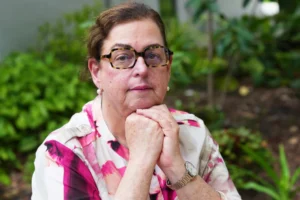
Among those affected is 91-year-old Solange French of New York, whose Haitian caregiver, Martha Nelson, has become an indispensable part of her daily life.
Nelson assists with meals, bathing, medical appointments, grocery shopping, housekeeping and companionship. French says losing her caregiver would make independent living nearly impossible, reflecting the fears of thousands of elderly Americans whose relationships with caregivers often extend far beyond professional duties. Many families describe these workers as trusted companions who have become like relatives after years of providing daily support.
Similar stories are emerging across the country. In Florida, Jewish Community Services of South Florida recently dismissed 17 Haitian home health workers after their TPS protections expired, leaving elderly clients scrambling to adjust to unfamiliar caregivers or, in some cases, no caregiver at all.

Healthcare providers say immigrant workers are essential to America’s caregiving system.
According to workforce data cited by advocacy groups, immigrants make up roughly one-third of all home health aides in the United States, with Haitian immigrants representing a significant share of that workforce in several states. Some nursing homes report that as much as 75% of their employees are immigrants, making any large-scale loss of workers especially disruptive.
Facilities such as Cabrini of Westchester in New York say they may be forced to rely on temporary staffing agencies, require existing employees to work overtime or reduce services if more caregivers lose their work authorization. Administrators warn that staffing shortages could increase healthcare costs, reduce continuity of care and worsen burnout among remaining workers.
The uncertainty follows the Supreme Court’s decision allowing the administration to end TPS protections for approximately 350,000 Haitians and 6,000 Syrians. Immigration advocates say the ruling could eventually affect up to 1.3 million people from multiple countries who currently rely on TPS.
The legal situation has become increasingly confusing. While the U.S. Citizenship and Immigration Services (USCIS) has stated that TPS protections have ended for affected Haitians, some immigration attorneys and labor unions argue that certain work authorizations remain valid until lower court injunctions are fully resolved. The uncertainty has prompted some employers to terminate workers preemptively to avoid violating immigration rules.
For many Haitian caregivers, the policy change presents an agonizing dilemma.
Some fear returning to Haiti, where ongoing gang violence, political instability and economic hardship continue to threaten public safety. Others worry that remaining in the United States without legal status could expose them to detention or deportation despite years of lawful employment, tax payments and community service.
Many caregivers say they came to the United States following Haiti’s devastating 2010 earthquake and have since built careers caring for elderly and disabled Americans. They argue that their work fills critical shortages while allowing thousands of seniors to remain in their homes rather than entering institutional care.
Experts warn the consequences could ripple throughout the healthcare system.

If significant numbers of Haitian caregivers leave the workforce, nursing homes and home care agencies may struggle to recruit qualified replacements. Families could face longer waiting lists for care, increased costs and greater pressure to care for elderly relatives themselves. Some advocates also fear that more seniors could be forced into long-term care facilities because adequate home-based support is no longer available.
The Trump administration maintains that Temporary Protected Status is intended to be temporary and has encouraged eligible migrants to return voluntarily to their home countries. Supporters argue that immigration laws should be enforced consistently.
Critics, however, contend that ending protections for long-term caregivers could damage both the U.S. healthcare system and the lives of vulnerable Americans who depend on trusted relationships with those workers. They are urging Congress and the administration to find a solution that addresses immigration concerns without disrupting essential caregiving services.
As legal challenges continue and healthcare providers await further guidance, thousands of Haitian caregivers remain uncertain about their future. For the elderly and disabled Americans they serve, the issue has become more than an immigration debate, it is a question of who will provide the daily care that allows them to live safely, independently and with dignity