
International
Senate Approves Graham’s Sanctions Package Targeting Russia, Iran and Oil Buyers

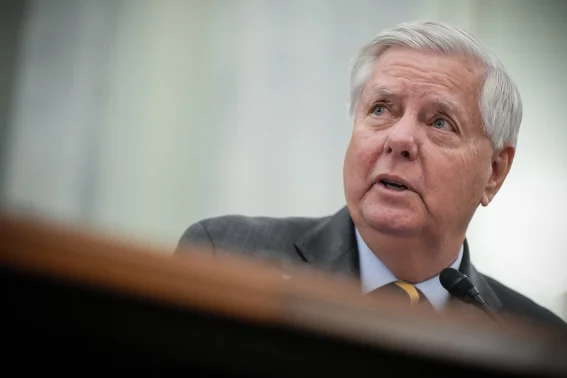
The U.S. Senate has overwhelmingly approved a sweeping sanctions package targeting Russia and countries that continue to buy large quantities of Russian oil and gas, advancing one of the most significant congressional efforts yet to increase economic pressure on Moscow over its war in Ukraine.
The “Lindsey O. Graham Sanctioning Russia and Iran Act of 2026” passed by an 86-11 vote, securing strong bipartisan backing despite concerns from some lawmakers over the broad tariff powers it would give President Donald Trump.
The legislation was named after the late Republican Senator Lindsey Graham, who spent more than a year negotiating the sanctions package with Democratic Senator Richard Blumenthal and other lawmakers before his death.
Graham had made tougher economic measures against Russia a major part of his foreign-policy agenda, arguing that Moscow’s revenues from energy exports were helping finance its continued war against Ukraine.
At the centre of the legislation is an effort to make it more expensive for countries to continue purchasing Russian oil and gas.
The bill would impose additional sanctions on Russian officials, oligarchs and their family members, Russian financial institutions, state-linked enterprises and foreign individuals and companies that assist Moscow’s war effort or help Russia evade existing sanctions. It also specifically targets Russia’s so-called “shadow fleet” of vessels used to transport oil while attempting to circumvent Western restrictions.
The legislation gives the president authority to impose tariffs of up to 100% on imports from countries that remain major purchasers of Russian crude oil or natural gas, or that assist Russia in evading sanctions.
The provision is particularly significant for major Russian energy customers, including China and India, although the legislation limits the tariff authority to a select group of the largest purchasers and countries involved in sanctions evasion.
Supporters argue that the measure could strike directly at one of Moscow’s most important sources of revenue and make it more difficult for Russia to sustain its military campaign.
The bill’s tariff provisions have also generated controversy.
Under the legislation, President Trump would have considerable discretion to impose tariffs on imports from countries that continue to rely heavily on Russian energy.
Supporters say the authority would give the White House a powerful negotiating tool against governments that continue doing business with Moscow.
Opponents, however, have warned that giving the president such broad authority could have consequences far beyond Russia, potentially increasing prices for American consumers and creating new trade disputes with major U.S. economic partners.
Efforts to remove the tariff provisions from the legislation failed in the Senate.
Despite its primary focus on Russia, the legislation also contains provisions concerning Iran.
It would extend sanctions affecting Iran’s energy and weapons sectors, preventing a lapse in existing restrictions and maintaining pressure on Tehran over its nuclear programme and support for armed groups.
The combination of Russia and Iran sanctions reflects Washington’s broader effort to restrict the financial networks and energy revenues of governments viewed by the United States as security threats.
The Senate vote carries an added political dimension because the legislation bears the name of Graham, who died after playing a central role in negotiating the final package.
Graham had worked closely with Blumenthal and other senators to build bipartisan support for stronger measures against Russia.
Before his death, he had reached an agreement with the Trump administration on the revised legislation, allowing the bill to move forward with White House backing.
His colleagues subsequently portrayed the legislation as a way of preserving his foreign-policy legacy.
Ukrainian President Volodymyr Zelenskyy, who was in Washington and visited the Capitol, welcomed the Senate’s action, describing the legislation as an important demonstration of continued American support for Ukraine and pressure on Russia.
Despite the decisive Senate vote, the legislation is not yet law.
The bill now moves to the U.S. House of Representatives, where lawmakers will have to consider its provisions before it can reach President Trump for his signature.
The House is currently scheduled to return from its summer recess in September, meaning the sanctions package could face weeks of further debate.
The tariff provisions are expected to be one of the most contentious issues in the House. Some lawmakers have expressed concern that the measure could give the administration excessive control over trade policy.
If enacted and used aggressively, the legislation could have consequences beyond Russia.
Countries that depend heavily on Russian crude and natural gas could face higher costs if Washington imposes tariffs on their exports to the United States. That could encourage some governments to reduce their purchases of Russian energy or seek alternative suppliers.
At the same time, analysts have warned that attempts to restrict Russian energy exports could affect global oil and gas markets, depending on how widely the measures are implemented.
Russia has continued to rely heavily on energy exports despite years of Western sanctions, using alternative markets and shipping networks to maintain revenue.
The new legislation is therefore designed not simply to punish Moscow directly, but to put pressure on the countries and companies that help keep Russia’s energy trade operating.
The overwhelming Senate vote sends a strong political message to the Kremlin that bipartisan support remains in Congress for increasing economic pressure on President Vladimir Putin.
However, the ultimate impact of the legislation will depend on what happens in the House and whether President Trump ultimately signs it into law as well as how aggressively his administration chooses to use the new tariff authority.
For now, the Senate’s 86-11 vote represents a major advance for Graham’s years-long campaign to impose tougher economic consequences on Russia and those helping finance its war in Ukraine.
The legislation now heads to the House, where its future, and potentially the next phase of U.S. economic pressure on Russia will be decided.