
General News
Nigeria Inflation Falls to 15.43% in July 2026

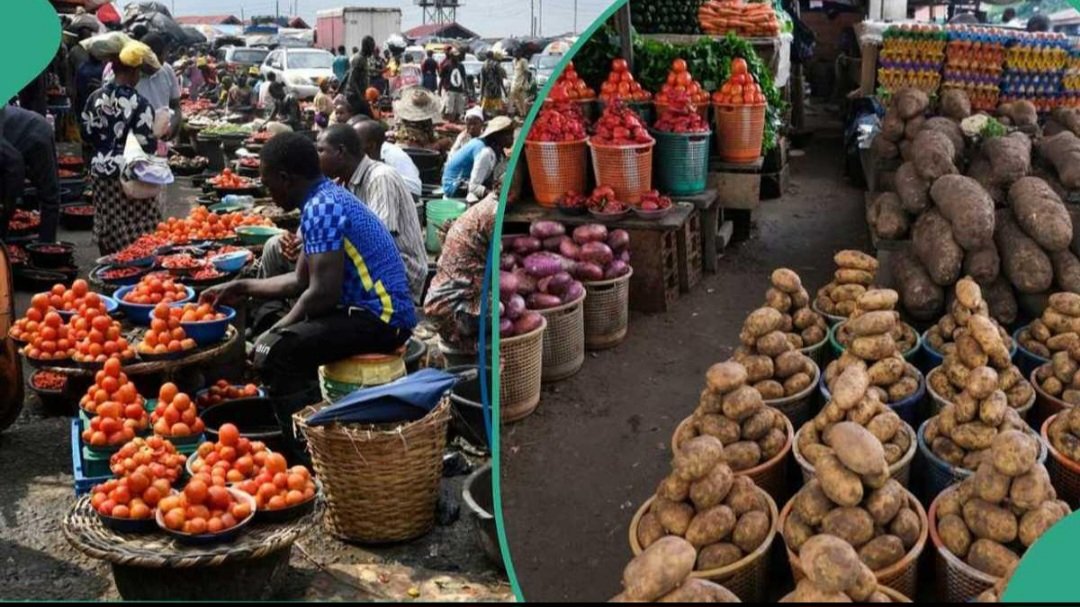
Nigeria’s headline inflation rate eased further to 15.43 per cent in July 2026, according to the latest Consumer Price Index (CPI) report released by the National Bureau of Statistics (NBS) on Monday.
The July figure represents a 0.48 percentage-point decline from the 15.91 per cent recorded in June, continuing the recent moderation in the country’s annual inflation rate. It is also significantly lower than the 24.94 per cent recorded in July 2025.
On a month-on-month basis, headline inflation stood at 1.57 per cent in July, compared with 1.66 per cent in June. The NBS said the decline indicates that the pace at which average prices increased during the month was slightly slower than in June.
The Consumer Price Index itself, however, increased to 145.3 points in July from 143.0 points in June, meaning that while inflation has slowed, prices of goods and services continued to rise.
Despite the decline in headline inflation, food prices continued to put pressure on Nigerian households.
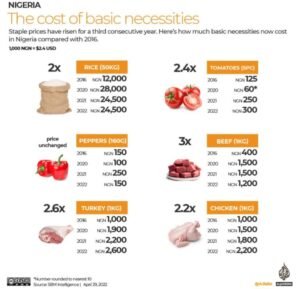
The NBS reported that food inflation rose to 20.31 per cent year-on-year in July, compared with 17.52 per cent in June. On a month-on-month basis, food inflation climbed sharply to 5.56 per cent, from 3.75 per cent in June.
The contrasting figures mean that the overall moderation in inflation may not immediately translate into significant relief for households, particularly those spending a large share of their income on food.
The latest data also highlight the difference between the annual inflation trend and the actual movement in prices. While the annual rate has fallen substantially over the past year, consumers continue to face higher prices for many essential goods.
Nigeria’s headline inflation has now fallen significantly from the levels recorded a year earlier. The rate dropped from 24.94 per cent in July 2025 to 15.43 per cent in July 2026; a decline of 9.51 percentage points.
The NBS has attributed the latest figures to movements in the prices of goods and services measured under the country’s rebased Consumer Price Index. The current CPI uses 2024 as its price-reference period.
The moderation could provide some room for monetary policymakers to consider further easing, although persistently high food inflation remains a key challenge for policymakers and households.
Economists and businesses are likely to scrutinise the July figures for signs of whether Nigeria’s disinflation trend can continue while food and other essential costs remain elevated.
For ordinary Nigerians, the key question remains whether the decline in the headline inflation rate will eventually translate into lower prices and improved purchasing power.
The July figures suggest that inflationary pressure is easing overall, but the sharp rise in food inflation shows that the cost-of-living challenge remains far from over.