
International
Tiananmen Vigil Organisers Found Guilty of ‘Inciting Subversion’ in Hong Kong

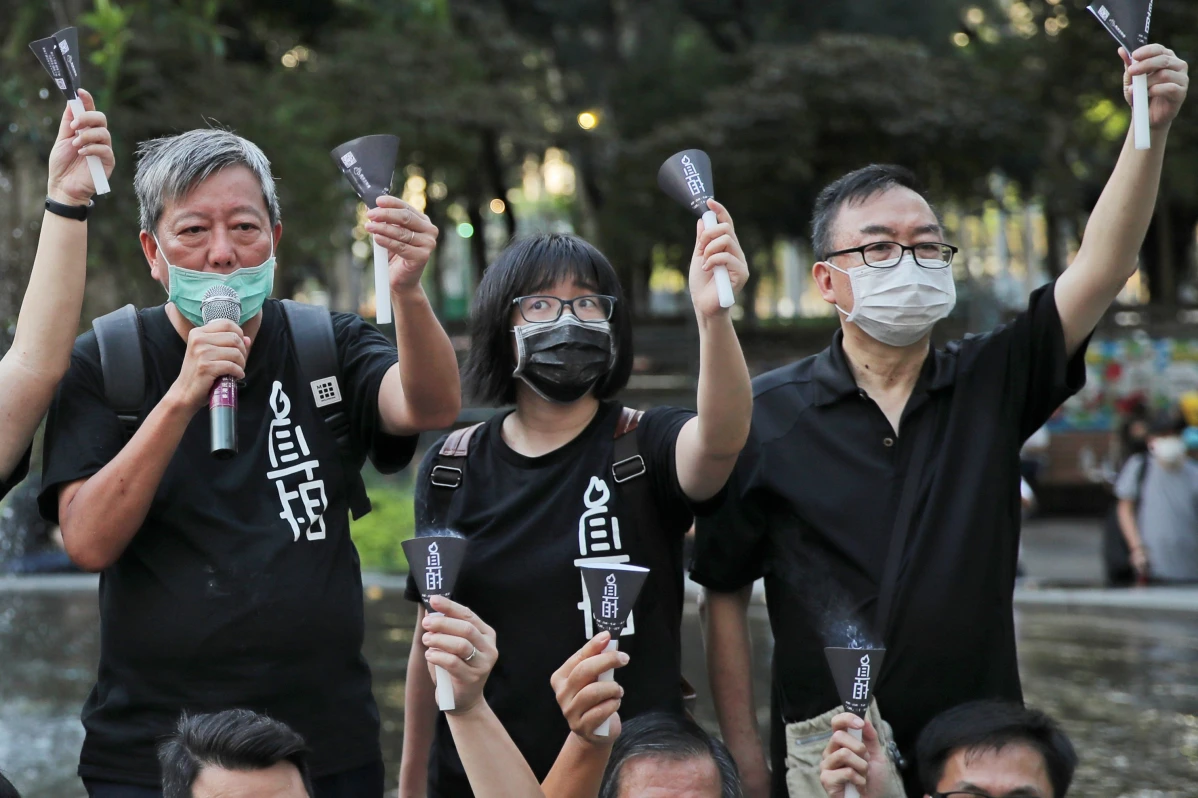
A Hong Kong court has convicted two prominent pro-democracy activists who were involved in organising the city’s annual vigils commemorating the victims of China’s 1989 Tiananmen Square crackdown.
Lee Cheuk-yan, 69, and Chow Hang-tung, 41, were found guilty on Friday of inciting subversion of state power under Hong Kong’s national security law, in one of the most closely watched cases involving the city’s pro-democracy movement.
The two were former leaders of the now-disbanded Hong Kong Alliance in Support of Patriotic Democratic Movements of China, the group that organised the annual candlelight vigil in Victoria Park for more than three decades.
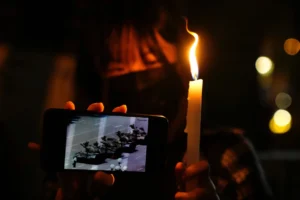
The gatherings attracted tens of thousands of people each year and became one of the most prominent public commemorations of the 1989 crackdown anywhere in Chinese territory. The 2019 vigil, held shortly before Hong Kong’s huge anti-government protests, was estimated by organisers to have drawn about 180,000 people.
Prosecutors accused the activists and the Alliance of promoting the political goal of ending China’s one-party rule and thereby encouraging the overthrow of Communist Party leadership.
The court accepted the prosecution’s argument that the Alliance’s repeated calls to “end one-party dictatorship” amounted to incitement to subvert state power.
Both Lee and Chow had pleaded not guilty. A third defendant, former Alliance chairman Albert Ho, pleaded guilty earlier in the proceedings.
The convictions stem from activities carried out between July 2020 and September 2021, following the introduction of Hong Kong’s national security law by Beijing in 2020.
The legislation was introduced after the mass pro-democracy protests that rocked Hong Kong in 2019. Authorities have since used the law to prosecute numerous activists and political figures accused of offences including subversion and collusion with foreign forces.
The annual Tiananmen vigil was banned in 2020, initially under coronavirus restrictions. The authorities subsequently continued preventing public commemorations, while the Alliance came under increasing pressure before formally disbanding in 2021.
The case has attracted international criticism from human rights organisations, which argue that the prosecution criminalises peaceful remembrance and freedom of expression.
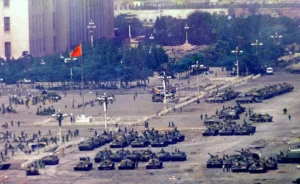
Amnesty International described the verdict as “dismaying” and said the national security law was being used to punish people for peacefully remembering the victims of the Tiananmen crackdown.
The organisation’s former leaders, however, maintained that their activities were peaceful and centred on remembering the victims and advocating political reform.
Chow, who represented herself during the trial, argued that the case amounted to punishment for expressing political views and preserving historical memory.
The convictions add to concerns over the shrinking space for political dissent and civil society in Hong Kong, once known for allowing a degree of political and civic freedom not available in mainland China.
Lee and Chow face a maximum sentence of 10 years in prison. Sentencing is expected at a later date.
The verdict also marks another significant development in the government’s efforts to suppress activities associated with Hong Kong’s former pro-democracy movement, while Beijing and Hong Kong authorities maintain that the national security framework is necessary to protect stability and national security.