
World News
Trump, Iran Trade New Threats as Houthi Attacks Raise Middle East Tensions

Tensions between Iran and the United States have intensified as President Donald Trump issued fresh warnings to Tehran while Iran threatened retaliation against the US and its allies, with the renewed Saudi-Houthi fighting adding another dangerous front to the wider Middle East conflict.
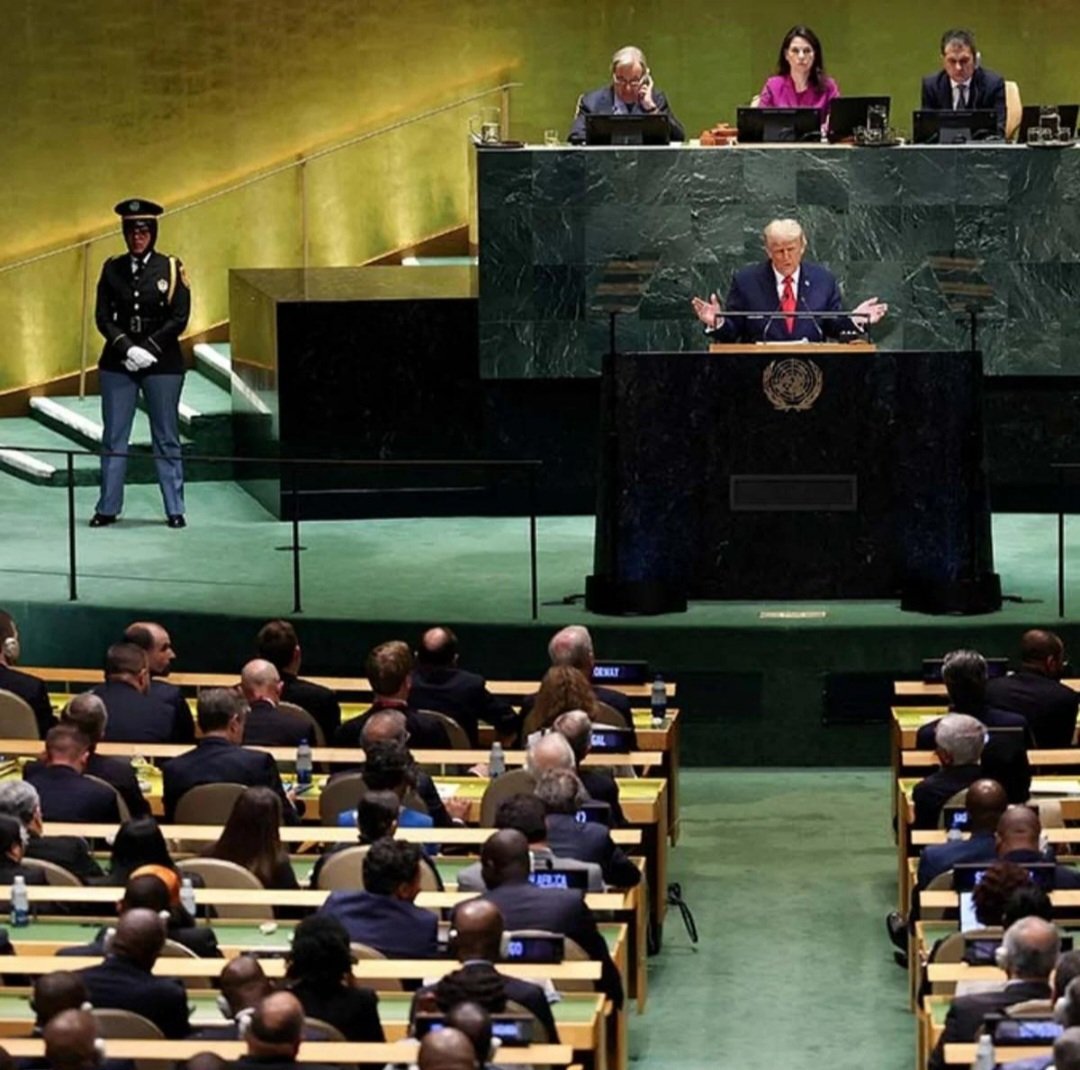
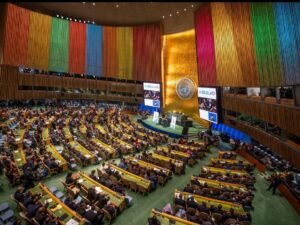
The developments come as world leaders prepare to gather in New York for the United Nations General Assembly, where the Iran conflict and its regional consequences are expected to feature prominently in diplomatic discussions.
Trump warned on Sunday that Iran faced severe consequences if it refused to reach a deal with Washington. In comments reported by Reuters, the US president said Iran should negotiate or face what he described as the possibility of its economic collapse and the destruction of its leadership.
Iran, meanwhile, has warned that any renewed US attack would trigger sustained retaliation. Iranian military officials have indicated that US allies and interests in the region could also become targets if Washington resumes large-scale military action.
The confrontation has been further complicated by a renewed escalation between Saudi Arabia and Yemen’s Iran-aligned Houthi movement.
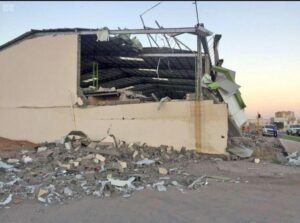
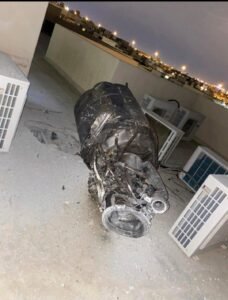
The Houthis claimed responsibility for missile and drone attacks targeting areas around Riyadh over the weekend. Saudi authorities reported that a Houthi drone was intercepted and that falling debris killed one person and injured others. The Houthis have also threatened Saudi-linked shipping and infrastructure.
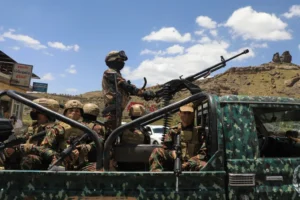
The latest fighting follows a major Houthi advance along Yemen’s western coast. The group has seized strategically important territory around the Red Sea and the Bab el-Mandeb Strait, one of the world’s key maritime chokepoints.
A senior Houthi official, Mohamed al-Bukhaiti, told The Associated Press that the group had assured the Trump administration it would not attack US vessels in the Red Sea, while warning other countries against joining Saudi Arabia in the conflict.
The Houthis have said their attacks on Saudi Arabia will continue until Riyadh ends what they describe as its blockade of Houthi-controlled areas and allows greater access to ports.
Iranian Foreign Minister Abbas Araghchi is expected to travel to New York for the UN General Assembly after a stop in Qatar, where Tehran has been communicating conditions for ending the conflict through diplomatic channels.
According to AP, Iran has demanded an end to the war on all fronts, the release of Iranian assets and an end to the US naval blockade of Iranian ports.
The Trump administration has granted visas to a core Iranian delegation, including President Masoud Pezeshkian and Foreign Minister Araghchi, allowing them to attend the UN gathering despite the ongoing conflict between Washington and Tehran.
Trump is also expected to meet with Gulf leaders during the UN week. The discussions are likely to include the Iran conflict, Houthi attacks and threats to shipping through the Red Sea and the Strait of Hormuz.
The escalation has raised concerns beyond the battlefield because of the importance of the Red Sea, Bab el-Mandeb and Strait of Hormuz to international trade and energy supplies.

The Houthis now control territory overlooking the Bab el-Mandeb, while Iran’s conflict with the United States has also affected traffic through the Strait of Hormuz. The two waterways are major routes for oil and other commercial shipping.
Gulf financial markets reacted to the latest attacks, with Saudi Arabia’s benchmark index closing lower on Sunday after the Houthi strikes on Riyadh.
The United States has so far resisted Saudi requests for direct military intervention against the Houthis, while Washington and Tehran continue to exchange threats alongside intermittent diplomatic contacts.
With the UN General Assembly beginning its high-level week, the combination of the Iran-US confrontation and the expanding Houthi-Saudi conflict is expected to put regional security, shipping and diplomacy at the centre of discussions in New York.