Featured
What Did Our Sacrifice Buy?

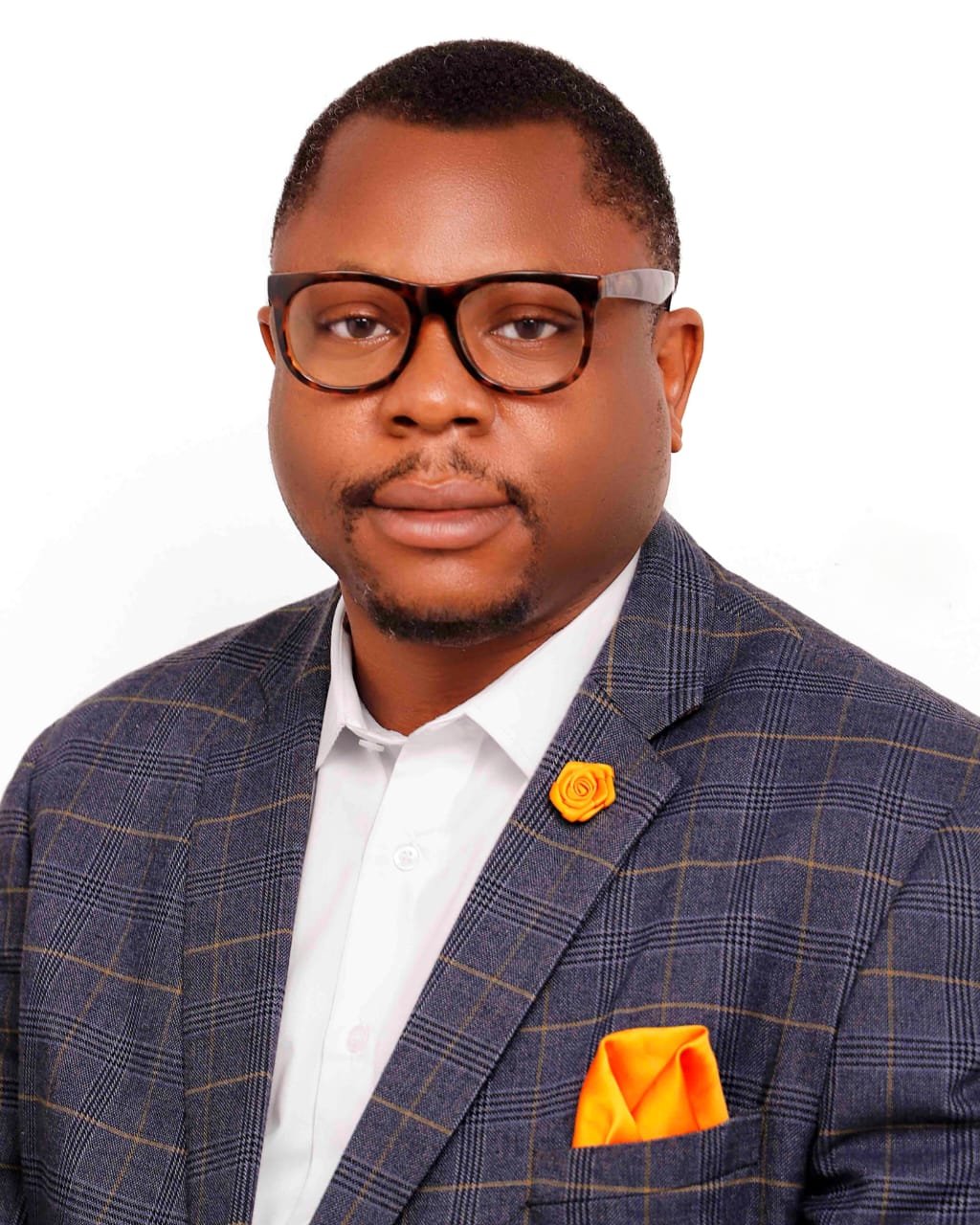
By Lemmy Ughegbe, Ph.D
Nigerians were asked to make sacrifices.
The fuel subsidy had to go. The foreign exchange market had to be liberalised. Government finances had to be repaired. The reforms would hurt, we were warned, but today’s pain would create tomorrow’s prosperity.
More than three years later, Nigerians are entitled to ask a simple question: what did our sacrifice buy?
The question has acquired fresh urgency following the latest figures from the Debt Management Office showing that Nigeria’s total public debt stood at ₦166.79 trillion as of June 30, 2026. The figure rose from ₦159.35 trillion at the end of March, an increase of about ₦7.44 trillion in only three months.
Debt, by itself, is not evidence of economic mismanagement. Governments borrow. Developing countries with enormous infrastructure deficits may have compelling reasons to borrow even more. A loan that builds a railway, power infrastructure, productive roads or other assets capable of expanding the economy can benefit generations that will share the burden of repayment.
The proper question is therefore not simply whether Nigeria is borrowing.
It is what Nigeria is borrowing for, at what cost, and what Nigerians receive in return.
That distinction is particularly important because the economic reforms undertaken since 2023 were supposed to improve the country’s fiscal position. The International Monetary Fund says ending fuel subsidies, stopping deficit monetisation and liberalising the exchange rate have reduced fiscal vulnerabilities, strengthened external buffers and improved foreign exchange market functioning. It projects economic growth of 4.1 per cent in 2026.
Those gains should be acknowledged.
But the IMF tells another side of the story. It estimates that poverty reached 63 per cent under the national poverty line and that about 27 million Nigerians faced food insecurity in late 2025. It also estimates that Federal Government interest payments consumed about 53 per cent of federal revenue in 2025 and projects a similarly heavy burden in 2026.
Therein lies the contradiction.
If Nigerians accepted the removal of fuel subsidy partly because government needed to stop spending scarce public resources subsidising consumption, and if increased revenues were supposed to create greater fiscal space, why does the debt stock continue to climb so substantially?
There may be legitimate answers. Exchange rate movements can dramatically increase the naira value of foreign currency debt without Nigeria borrowing an equivalent new amount. Old obligations may be recognised in current accounts. New borrowing may finance infrastructure whose benefits will materialise over many years.
That is precisely why government should explain the numbers rather than leave citizens to interpret one enormous headline figure.
Former Vice President Atiku Abubakar has seized on the latest DMO figures to challenge President Bola Tinubu’s administration over continued borrowing despite improved revenues. He has also demanded explanations about Treasury Bills and aspects of external debt servicing. Those are political interventions from an opposition figure ahead of an election and should be understood in that context. But the underlying demand for fiscal transparency is legitimate regardless of who makes it.
Indeed, there are questions that transcend partisan politics.
How much of the increase in Nigeria’s debt represents genuinely new borrowing? How much reflects exchange rate movements? What projects were financed by the new loans? What measurable economic returns are those projects expected to produce? How much of government revenue is disappearing into debt service? And what is the strategy for ensuring that today’s borrowing does not become tomorrow’s fiscal emergency?
Government should answer those questions in language ordinary Nigerians can understand.
This is especially important because sacrifice has not been theoretical for citizens.
For the worker, reform has meant higher transport costs. For households, it has meant paying more for energy and basic necessities. For businesses, higher operating costs have squeezed margins and sometimes forced difficult decisions about prices, jobs and survival.
Yet the macroeconomic picture is not uniformly bleak. Inflation has moderated significantly from earlier peaks, external reserves have strengthened and foreign exchange market distortions have reduced. These are meaningful improvements, and serious analysis should not pretend otherwise.
The challenge is translating macroeconomic stabilisation into household welfare.
Economic reform ultimately cannot be sustained on statistics alone. Citizens need to see the bridge between sacrifice and benefit.
That bridge should be visible in reliable electricity, better roads, functioning hospitals, quality public education, jobs, social protection and an economy in which incomes have a reasonable chance of keeping pace with the cost of living.
There is another concern.
The IMF has called for stronger budget processes, fiscal reporting, transparency and accountability, while raising concerns about off budget spending and complex financing instruments. It noted that some expenditure had previously occurred outside the budget perimeter before subsequently being incorporated into government budgets.
That makes transparency around borrowing even more important.
Every naira borrowed today creates an obligation tomorrow. Citizens who did not negotiate the loans will repay them through taxes and public revenues. Children not yet old enough to vote may inherit some of those obligations.
Borrowing must therefore produce assets and opportunities worthy of the burden transferred to the future.
The administration deserves a fair hearing on its economic reforms. Stabilising a badly distorted economy is neither painless nor instantaneous, and some indicators suggest progress. But reform cannot become an indefinite promissory note under which citizens continuously surrender more while being told prosperity is somewhere over the horizon.
Nor should criticism of rising debt degenerate into the simplistic proposition that government must never borrow. Nigeria needs infrastructure and development investment. The issue is whether borrowing is transparent, sustainable and productive.
That is the accountability Nigerians should demand.
Publish a clear reconciliation of the debt. Separate new borrowing from exchange rate effects and inherited obligations. Identify what major loans financed. Explain the repayment costs. Show the assets created and the economic value expected from them.
Then Nigerians can judge the bargain for themselves. Because after subsidy removal, currency reform, higher living costs and continuing borrowing, the most important question is no longer whether Nigerians were willing to sacrifice.
They already did. The question now is what their sacrifice bought.
Lemmy Ughegbe, Ph.D, FIMC, CMC
Email: lemmyughegbeofficial@gmail.com
WhatsApp ONLY: +2348069716645