Featured
THE 2027 OBSESSION

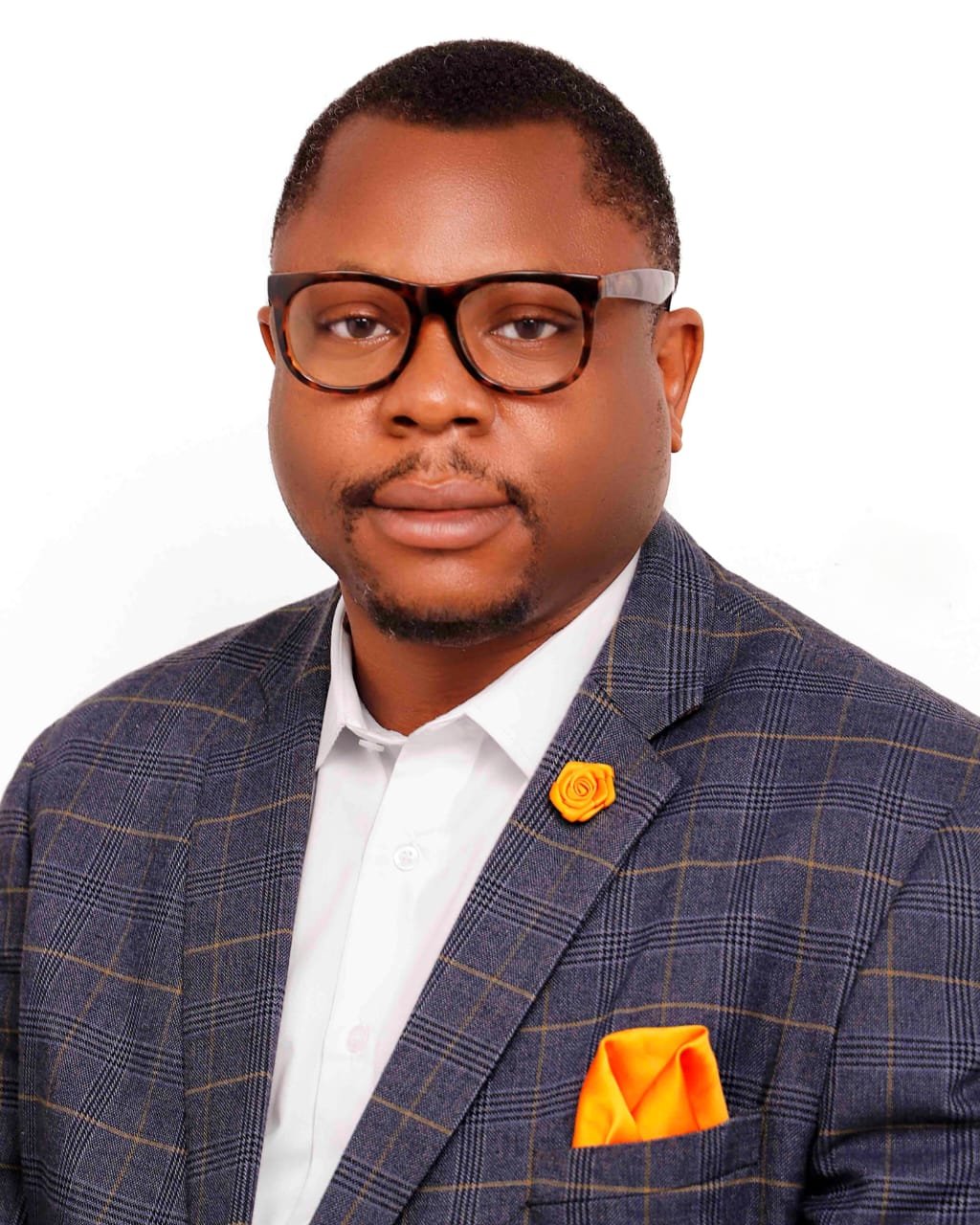
By Lemmy Ughegbe, Ph.D
Nigeria is not officially in an election season. The next general election is still many months away. Yet anyone following public discourse today could be forgiven for thinking the country is voting next month.
Everywhere one turns, the conversation is the same. Coalitions. Defections.
Primaries. Presidential permutations.
Running mates. Political alliances. Court cases. Zoning arrangements. One term agreements.
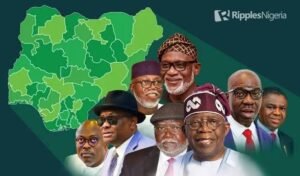
Increasingly, it appears that Nigeria has entered full campaign mode long before the Independent National Electoral Commission (INEC) blows the whistle for the commencement of campaigns. And that raises a troubling question. Has governance already given way to 2027?
It is difficult to escape that conclusion.
In recent weeks, political conversations have dominated national headlines. The emergence of new political alignments, continuing speculation around former President Goodluck Jonathan, the fallout from APC primaries, coalition negotiations, litigation surrounding aspects of the electoral timetable, and endless debates about presidential succession have combined to keep the political class firmly focused on the next election.
Ordinarily, there is nothing wrong with political competition. Democracy thrives on debate, organisation and preparation.
Political parties are expected to strategise, recruit members and position themselves for future contests. That is perfectly legitimate.
The problem arises when politics becomes so consuming that governance itself begins to disappear into the background. And that is where Nigeria increasingly finds itself.
Across the country, insecurity remains stubbornly persistent. Communities continue to battle banditry, kidnapping and violent criminality. Families still pay ransom. Farmers still abandon farmlands. Citizens still live under the shadow of uncertainty.
The abduction of teachers and students in Oyo State and similar incidents elsewhere serve as painful reminders that many Nigerians continue to struggle with the most basic expectation of any government: security. Yet the national conversation remains overwhelmingly centred on who will occupy Aso Rock in 2027.
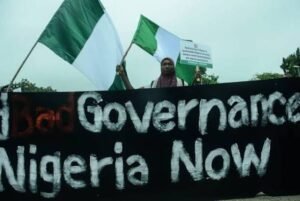
The economy tells a similar story. Millions of Nigerians continue to grapple with rising living costs, unemployment, declining purchasing power and economic uncertainty. For many households, survival has become a daily project.
The average Nigerian is less concerned about who becomes president in 2027 than about how to pay school fees next term, afford transportation tomorrow, settle rent obligations or put food on the table.
Yet the political class appears increasingly consumed by succession planning. Perhaps this is not entirely surprising. Politics, by its nature, is meant to be future-oriented. Politicians are meant to think ahead. They build structures. They consolidate alliances.
They prepare for opportunities.
But there must be a balance. A government elected to serve four years owes citizens four years of governance, not two years of governance and two years of campaigning.
Unfortunately, Nigeria has developed a culture in which electioneering often begins almost immediately after elections conclude.
The result is a perpetual campaign cycle.
The 2023 election ended. Before long, discussions shifted to 2027. Long before citizens could fully assess the promises of one administration, attention had already moved to the ambitions of the next. This has consequences.
The first casualty is accountability. When politicians become preoccupied with future elections, difficult decisions are increasingly evaluated through political rather than developmental lenses. Governance becomes subordinate to electoral arithmetic.
The second casualty is public confidence. Citizens begin to feel abandoned. They see leaders investing enormous energy in political survival while everyday challenges remain unresolved. That perception fuels cynicism. And cynicism is dangerous for democracy.
The third casualty is national focus. A country confronting serious security, economic and social challenges cannot afford to spend excessive amounts of time looking beyond the horizon while neglecting immediate realities.
The danger is that politics gradually becomes an end in itself rather than a means to improve lives. Perhaps the most striking feature of the current political season is how little ideology appears to matter.
Politicians move from one platform to another. Coalitions emerge and dissolve.
Old rivals become new allies. Yesterday’s opponents become today’s strategic partners.
Tomorrow, the process may reverse again. The fluidity is remarkable. But it also raises important questions about conviction, consistency and purpose.
Increasingly, many Nigerians struggle to distinguish where political principle ends and political ambition begins.
That uncertainty weakens democratic trust. To be clear, preparation for elections is not the problem. Democracy requires preparation. The problem is disproportion. When election calculations begin to dominate governance itself, something becomes fundamentally unbalanced.
A nation cannot live permanently in campaign mode. At some point, roads must be repaired. Schools must be secured. Hospitals must function. Jobs must be created. Security must improve.
Citizens must see tangible evidence that governance remains the primary business of government.
That is why the current moment should concern thoughtful Nigerians. The country appears trapped between two conversations. One conversation belongs to ordinary citizens seeking security, opportunity and economic relief. The other belongs to politicians calculating pathways to power in 2027.
The widening distance between those conversations should worry us all.
Because democracy ultimately derives legitimacy not from elections alone but from governance. Elections are important. But they are not the destination. They are merely the vehicle through which leaders acquire the authority to govern. And governance, not perpetual campaigning, remains the true purpose of political power.
As 2027 continues to dominate national discourse, perhaps Nigeria’s political class should occasionally pause and remember a simple truth. Citizens did not elect them merely to prepare for the next election. They elected them to govern today.
And for millions of Nigerians confronting insecurity, hardship and uncertainty, today remains far more urgent than 2027.
Dr Lemmy Ughegbe, FIMC, CMC
lemmyughegbeofficial@gmail.com
WhatsApp ONLY: +2348069716645