Featured
Imole Rising: A Frontline Account of Osun 2026 – The Election Where The People Became The Watchmen (+Video)

By Nicolas Adekeye
I was there. From the first light that broke over Osogbo to the final declaration that sent waves of euphoria across the state, I walked the length of this election, notebook in hand, dust on my shoes, and the unmistakable hum of history in my ears.
What I witnessed was not just an election. It was a referendum on democracy itself, a defiant assertion of the people’s will, and a masterclass in civic vigilance that has sent a powerful message to the political class ahead of 2027.
The first and most undeniable observation from the ground was the sheer clarity of the people’s voice. When the final figures were tallied, the leading margin was not a narrow scrape or a technicality. It was a resounding, unambiguous declaration.
0-0x0-0-0#
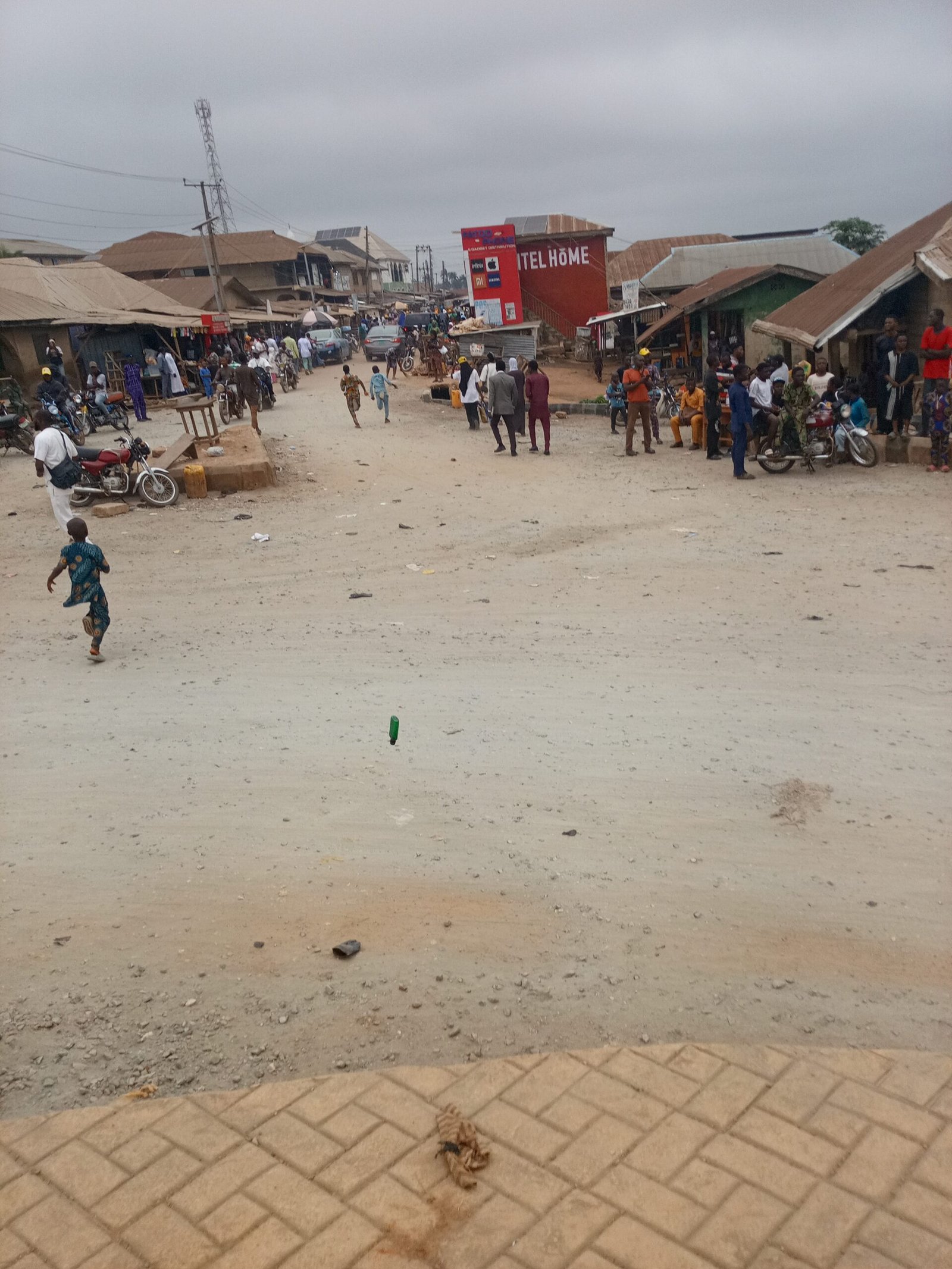
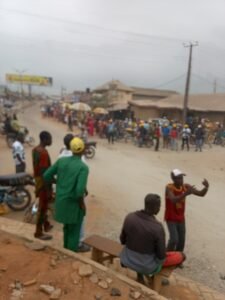
The people of Osun spoke, and they spoke with the force of a thunderclap. The jubilation that followed was not manufactured by party agents or orchestrated by hired crowds. It erupted organically from the streets, from the markets, from the motor parks. From Osogbo to Ede, from Ile-Ife to Owode, it was a festival of relief and triumph.
I watched elderly women dancing with their walking sticks raised in the air. I saw young men weeping tears of joy on the back of motorcycles. The music, the trumpets, the endless chants of “Imole!” – it was the sound of a people celebrating their own victory over intimidation and manipulation.
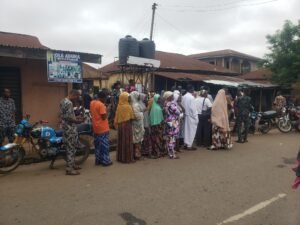
The second observation that struck me with profound force was the resilience of the voters. Despite the threats, the whispers of violence, and the shadow of past electoral traumas, they came out. They came out in numbers that defied the naysayers.
They lined up under the scorching sun, they waited patiently, and they cast their ballots with a quiet determination that spoke volumes. The voter turnout was not just a statistic; it was a statement of ownership.
These citizens refused to be cowed, and their presence at the polling units was the single most important factor in the integrity of this election.
Thirdly, I must commend the conduct of the security forces, particularly the military. In a region where the presence of armed forces can often breed tension, the professionalism and neutrality displayed were exemplary.
They were visible but not intrusive. They maintained order without overbearing force. They allowed the process to breathe. I observed troops at several flashpoints, and at no point did I sense partiality or aggression.
Their discipline created an atmosphere where voters felt safe, and that safety was critical to the smooth flow of the exercise. It was a textbook example of how security should function in a democratic setting.
On the whole, the electoral process was nearly flawless. The BVAS machines functioned efficiently in most units. The accreditation process was swift. The voting itself was orderly. The counting was transparent. The upload of results to the INEC portal, while not without minor hiccups, was largely successful and verifiable. It was an impressive performance that restored a measure of faith in the electoral machinery.
This was not the chaotic, disputed process of years past. This was a system that, while still imperfect, is clearly learning, improving, and maturing.
But the most remarkable observation, the one that will stay with me long after the dust has settled, was the vigilance of the people themselves.
This election was not won at the ballot box alone. It was protected, defended, and secured by ordinary citizens who refused to look away.
A video that has since gone viral perfectly illustrates this phenomenon. As I tracked events relying on my immediate reach and obtainables, I came across a scene that could have been lifted from a political thriller.
A driver carrying the election results was speeding along the road, his phone ringing incessantly as he drove. The people, however, were alert. A group of citizens on motorcycles spotted the driver taking calls while transporting the ballots. They immediately gave chase, surrounding the vehicle, and with firm, collective resolve, they warned the driver to stop receiving calls until he had delivered the results to the collation centre. They did not attack him. They did not destroy the ballots. They simply protected the integrity of the process with the most powerful weapon available to a citizen – their presence and their vigilance.
This was not an isolated incident. I saw similar acts of civic courage across the state. People tracking vehicles carrying results. Youth groups stationed at collation centres to watch the counting. Women documenting serial numbers of result sheets. It was a grassroots army of watchmen, each one a guardian of the people’s mandate.
That video sends a significant pointer to what can happen in the 2027 General Election. If the people of just one state can mobilize with such discipline, determination, and unity to protect their votes, imagine the tsunami that could sweep the nation if that energy is replicated across the federation. The message is clear: the Nigerian people are no longer passive observers. They have learned the lessons of the past. They understand that the vote is not just a right, but a responsibility. And they are ready to defend it, unit by unit, result by result.
As I filed my report from the collation centre, with the jubilant cries of Osun echoing in the background, I realized that what I had witnessed was more than a governorship election.
It was a blueprint. A proof of concept. A warning to those who might tamper with the people’s will in the future. The people of Osun have shown that when citizens are engaged, organized, and courageous, no amount of manipulation can subvert their mandate. The Imole light has not just illuminated Osun. It has cast a beam across the entire country, showing the way forward for 2027.
The victory belongs to Governor Adeleke. But the real triumph belongs to the people. And I was there to see it.