
World News
US Military Completes Withdrawal From Iraq, Ending 12-Year Anti-ISIS Mission

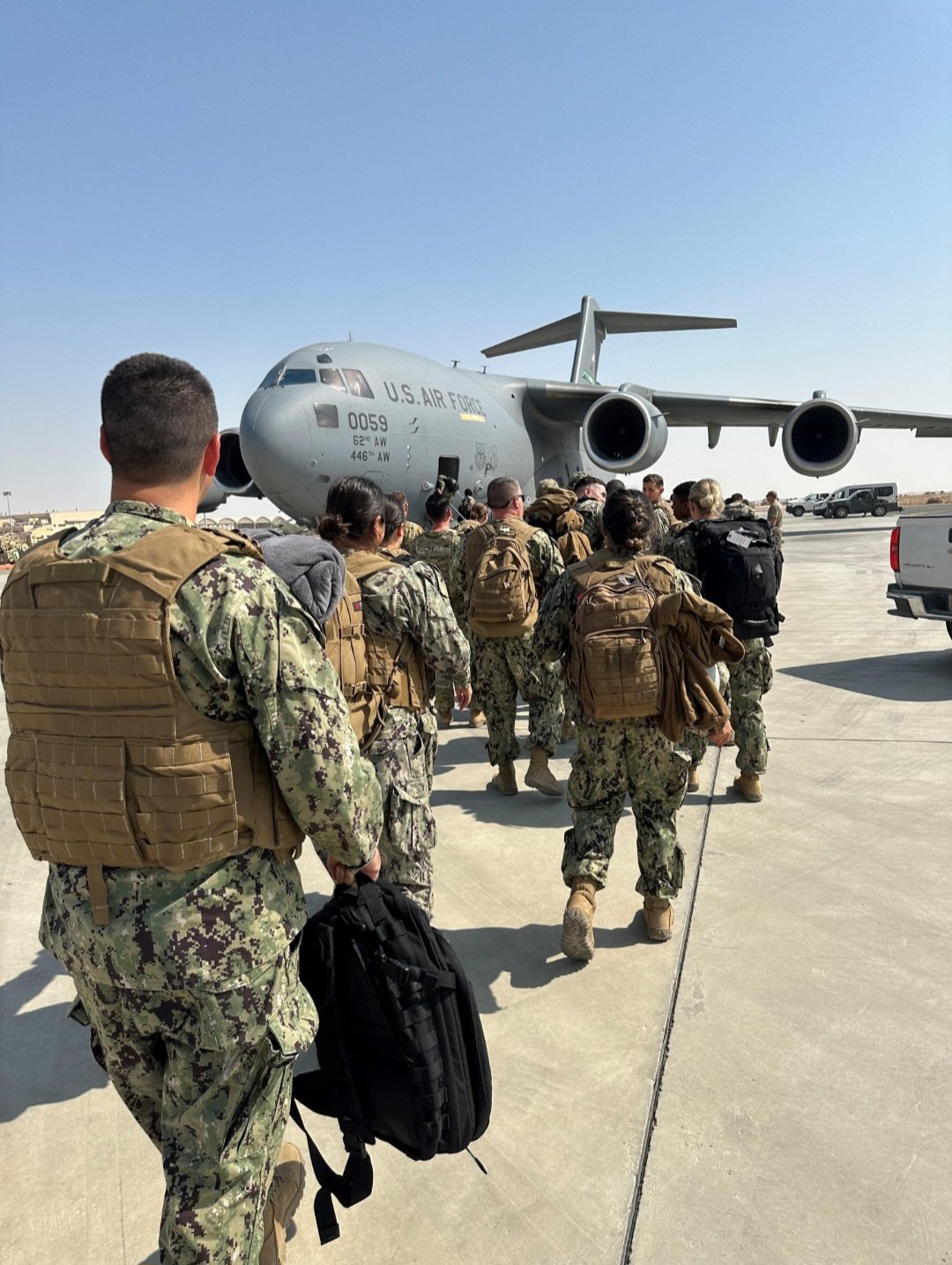
The United States military has completed the withdrawal of its forces and equipment from Iraq, formally ending its Operation Inherent Resolve mission in the country after 12 years of operations against Islamic State militants.
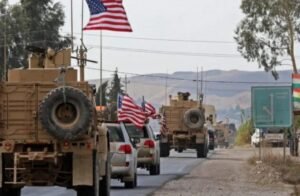
The US Central Command (CENTCOM) said on Wednesday, September 30, that American forces had completed their departure from Erbil Air Base in northern Iraq, marking the final stage of the withdrawal.
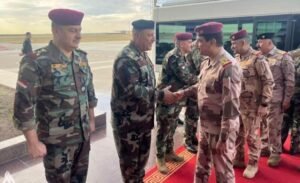
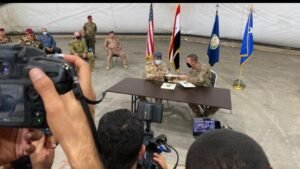
The departure follows a US-Iraq agreement to end the coalition’s combat mission and move towards a bilateral defence relationship. The final withdrawal from Erbil brings to an end the US-led coalition’s military mission in Iraq, although American forces continue counter-ISIS operations in neighbouring Syria.
Combined Joint Task Force–Operation Inherent Resolve, the multinational formation established in 2014 to fight ISIS, has relocated its headquarters to Jordan, according to CENTCOM.
The US military returned to Iraq in 2014 after ISIS captured large areas of northern and western Iraq and parts of Syria. The campaign eventually dismantled ISIS’s territorial control in Iraq, although the militant organisation continues to operate through cells in the region.
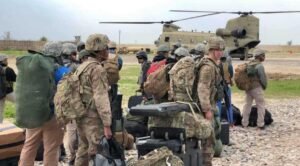
For years, roughly 2,500 US and coalition personnel were based in Iraq as part of the counter-ISIS mission. Erbil Air Base served as a major operational centre for the coalition, particularly for activities involving Iraq’s Kurdish region.
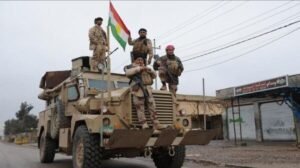
US officials said the withdrawal represents a transition to an Iraq-led security arrangement rather than an end to cooperation between Washington and Baghdad.
CENTCOM commander Admiral Brad Cooper said Iraqi security forces and the Peshmerga had developed the capacity to take primary responsibility for security in the country. The United States is expected to maintain elements of its relationship with Iraq through defence cooperation, including targeted training and intelligence support.
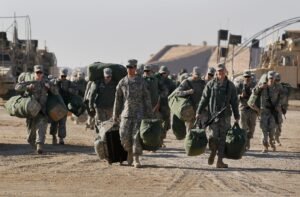
The withdrawal also marks the end of a much longer chapter of American military involvement in Iraq. US forces first invaded the country in 2003, overthrowing President Saddam Hussein. American combat troops formally withdrew in 2011 but returned three years later as ISIS expanded across Iraq and Syria.
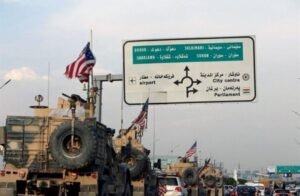
The final departure has been welcomed by Iraqi officials who have presented the withdrawal as an important step towards national sovereignty. Iraq has also marked the development with celebrations described as “Sovereignty Days.”
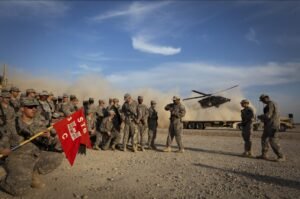
However, the end of the American military mission has also generated questions about Iraq’s security environment.
Reports have highlighted concerns over the continued presence of ISIS sleeper cells and the influence of armed groups aligned with Iran. Reuters reported that some Iraqis and analysts are concerned that the absence of US forces could alter the balance between Baghdad, Iranian-backed militias and remaining extremist networks.
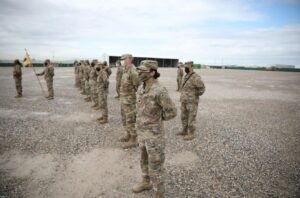
The US withdrawal also comes at a sensitive moment for the wider Middle East, with Washington continuing military operations against ISIS in Syria and dealing with broader regional tensions.
For Baghdad, the challenge now is to maintain security with Iraqi forces taking primary responsibility while preserving cooperation with international partners.
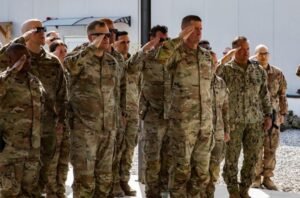
For Washington, the end of the Iraq mission represents a shift from a large military presence on Iraqi territory toward a more limited bilateral security relationship and continued regional counterterrorism operations.
The departure from Erbil therefore closes one chapter of the US military’s post-2003 involvement in Iraq while opening a new phase in the security relationship between the two countries.