
Africa
Guinea-Bissau Junta Disarms Forces Linked to Ousted President Embaló

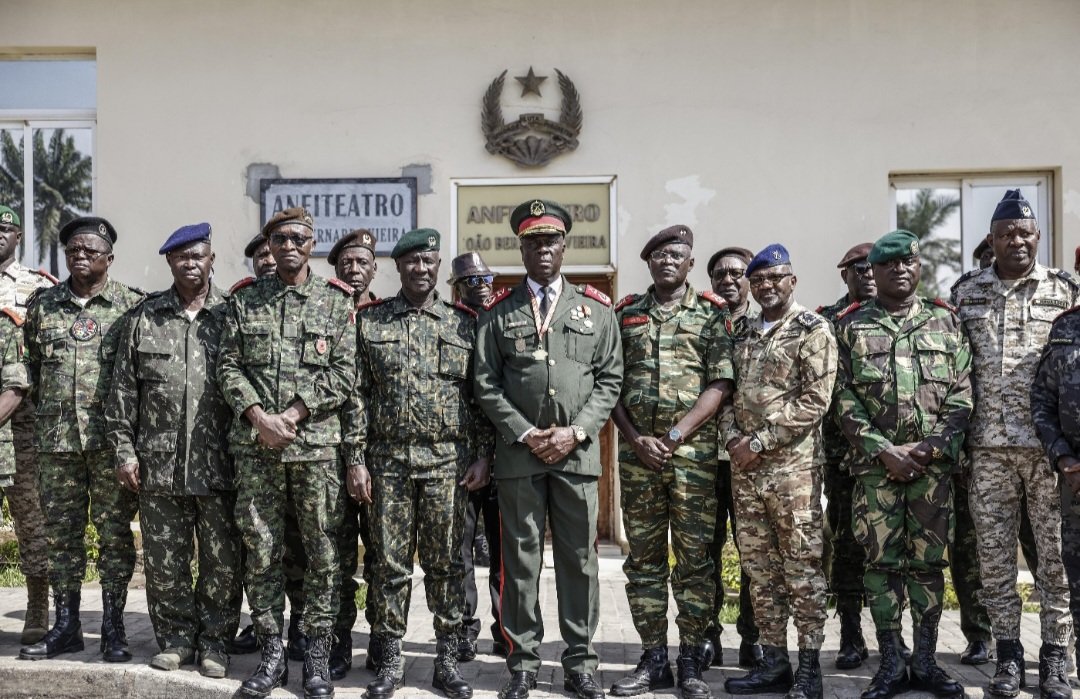
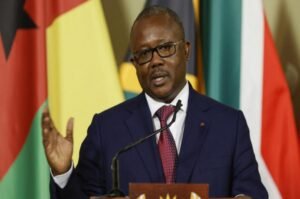
Guinea-Bissau’s military authorities have moved to disarm and remove security personnel reportedly linked to ousted former President Umaro Sissoco Embaló, days after the junta prevented him from returning to the country ahead of December’s presidential election.
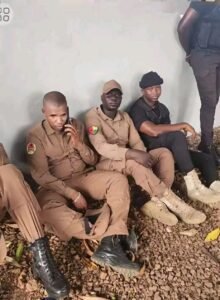
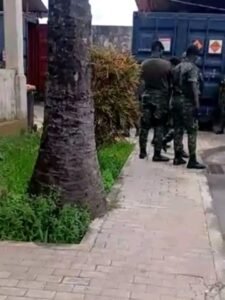
Local reports cited by the West Africa Democracy Radio said personnel associated with Embaló’s former security apparatus had been disarmed, arrested or removed from their positions. The reports also said Interim President Horta Inta-A had promoted nine military officers and that security forces had searched locations associated with Embaló’s former security network.
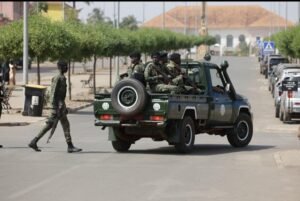
The reported measures follow growing tensions within Guinea-Bissau’s security forces. Earlier reports said several members of the presidential guard were transferred to other military units and that some officers and soldiers had been disarmed and placed under supervision. The Interior Ministry appealed for calm and described the troop movements as routine reassignments.
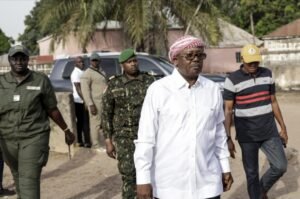
The developments come after the military government barred Embaló from returning to Guinea-Bissau. Embaló had announced that he planned to return on October 4 after months in exile in Morocco and contest the presidential election scheduled for December 6.
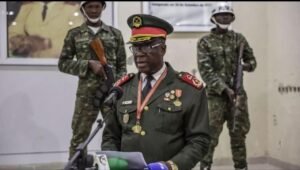
The military high command said the security conditions required for his return were not in place and cited national security, public order and the preservation of social stability. Reuters and the Associated Press both reported the ban.
Embaló has said he intends to contest the December election and has called for his candidacy to be considered fairly. He was removed from power after the military seized control on November 26, 2025, shortly before electoral authorities were expected to announce results from presidential and legislative elections. The military suspended the electoral process and installed Major-General Horta Inta-A as transitional president.

The circumstances surrounding last year’s takeover remain politically contentious. The military said it intervened to prevent instability after a disputed election, while Embaló and opposition candidate Fernando Dias had both claimed victory. There have also been allegations and competing accounts about the circumstances of the military intervention, but there is no established evidence that Embaló masterminded the coup.
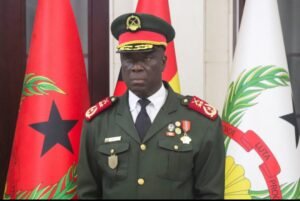
The latest military measures could further complicate Embaló’s attempt to return to political life. His supporters had expected him to campaign for the December vote, but the junta continues to restrict political gatherings and has now prevented him from entering the country.
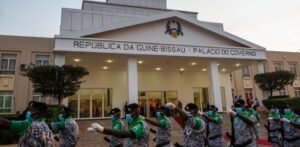
Another potential obstacle is Guinea-Bissau’s new constitutional framework. A referendum held in August approved changes that expanded presidential powers and introduced new electoral requirements, including a five-year continuous residency requirement for presidential candidates. Embaló has spent much of the period since his removal outside the country, making the effect of the new rule on his candidacy an unresolved issue.
The transitional government says presidential and legislative elections will be held on December 6 as part of a process to return the country to civilian rule. However, the reported disarming of personnel associated with Embaló and the continued restrictions on his political activities have added to concerns over the political and security environment ahead of the vote.
Guinea-Bissau has a long history of military intervention and political instability since independence from Portugal in 1974. The latest developments are likely to keep regional attention focused on whether the December election can proceed as scheduled and under what political conditions.