
World News
Trump Administration Targets International Criminal Court After Navi Pillay Wins Nobel

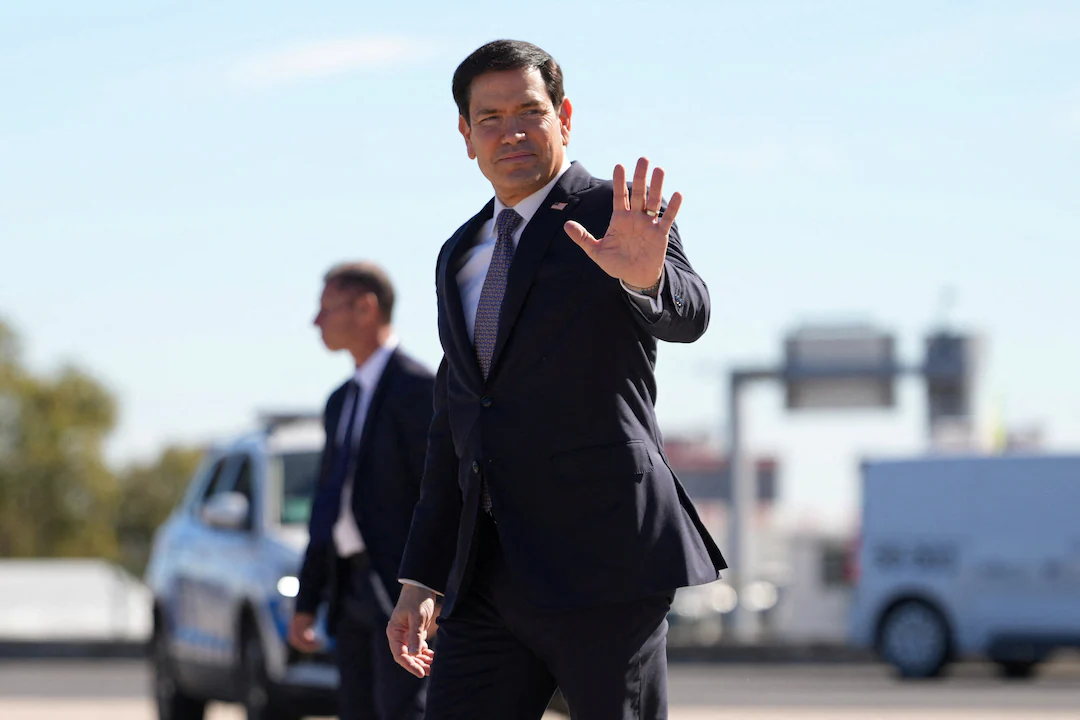
The United States has imposed sweeping sanctions on the International Criminal Court (ICC), escalating its confrontation with the international tribunal just hours after former ICC judge Navi Pillay was awarded the 2026 Nobel Peace Prize.
The sanctions were announced on Friday, October 9, by US Secretary of State Marco Rubio, who said Washington would prohibit transactions with the court, which the Trump administration accuses of exceeding its authority and unfairly targeting Americans and Israeli officials.
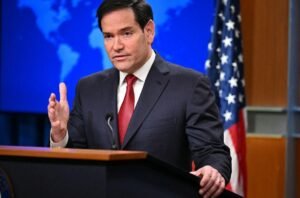
“We will ban transactions with this rogue court, cutting off their resources and crippling its ability to operate against us,” Rubio said in a video announcement.
The measures represent an escalation of Washington’s campaign against the Hague-based court, which has faced US opposition over its investigations into alleged crimes involving American military personnel and its arrest warrants for Israeli leaders, including Prime Minister Benjamin Netanyahu and former defence minister Yoav Gallant.
The US government argues that the ICC has no authority to prosecute American citizens and has challenged its actions against Israeli officials. The United States is not a member of the court, which was established in 2002 to prosecute individuals accused of genocide, war crimes, crimes against humanity and, under certain conditions, the crime of aggression.
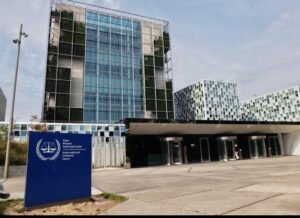
The sanctions could affect the court’s access to US-based financial services, technology providers and other commercial operations. Washington has also indicated that businesses and individuals working with the ICC would have a limited period to wind down certain transactions, although exemptions have been provided for some activities.
The ICC condemned the action, describing it as an attack on the rule of law and an attempt to obstruct the work of an independent judicial institution. Deputy Prosecutor Nazhat Shameem Khan said the sanctions would not stop the court from pursuing its investigations and prosecutions.
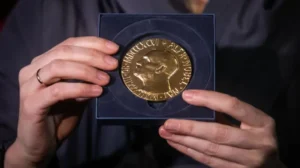
The announcement coincided with the Nobel Committee’s decision to award the Peace Prize to Pillay, 85, in recognition of her efforts to promote peace and international law.
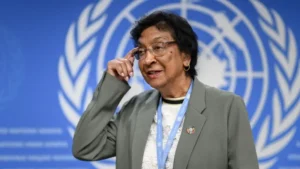
Pillay, a South African jurist, served as an ICC judge and later as the United Nations High Commissioner for Human Rights. She also chaired a UN commission of inquiry that concluded Israel had committed genocide in Gaza, a finding Israel strongly rejected.
The Nobel Committee said the award highlighted the importance of international law and institutions at a time when the global legal order faces increasing pressure. The committee’s announcement did not mention the US sanctions or directly refer to President Donald Trump.
The timing of the two announcements has drawn international attention, placing renewed focus on the growing dispute between Washington and international legal institutions. The measures have also raised concerns among US allies, several of which support the ICC and warned that sanctions could disrupt its operations.
The ICC has said it will continue its work despite the pressure. The unfolding dispute is likely to intensify debate over the limits of national sovereignty, international accountability and whether powerful states should be subject to the same legal standards as others.