
International
Spain Rescues Hundreds of Migrants as Boat Reaches Canary Islands After Six Days at Sea

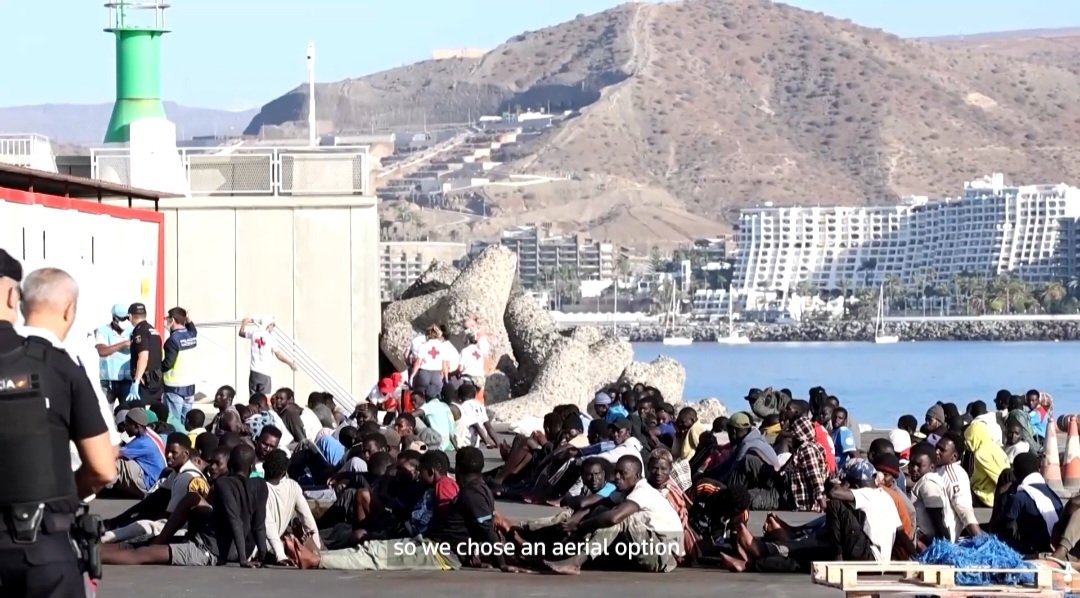
Spanish maritime authorities and emergency services assisted hundreds of migrants arriving in the Canary Islands over the weekend, including women and children among those travelling in overcrowded boats across the Atlantic.
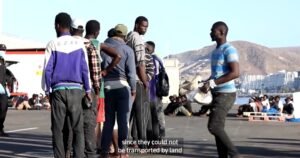
One boat carrying 61 people arrived at the port of La Restinga on El Hierro on Saturday, October 10, after its passengers said they had spent six days at sea following their departure from Saint-Louis, Senegal.
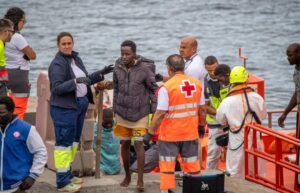
The group included 54 men, two women and five minors; four boys and one girl, according to Spain’s EFE news agency. The passengers came from Senegal, Guinea and The Gambia. They received assistance from Red Cross workers and medical personnel after reaching shore, and none required transfer to the island’s hospital.
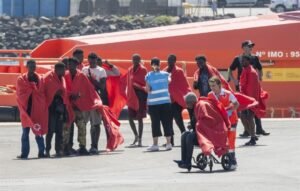
Separately, Spanish Maritime Rescue services escorted a boat carrying more than 200 people to the port of Arguineguín on Gran Canaria on Sunday morning. The number was provisional as passengers disembarked and received assistance from emergency teams.
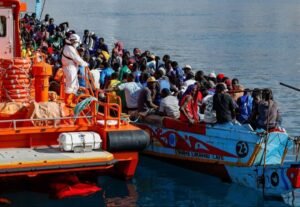
Another vessel carrying 96 migrants was brought to Lanzarote after being located in waters northeast of the island on Saturday night. Those on board included women and people who said they were minors. Three passengers were taken to hospital for medical attention following the journey.
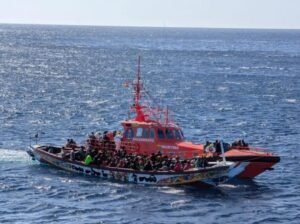
The arrivals formed part of a wider increase in migrant landings across the archipelago. More than 500 people arrived in the Canary Islands in five boats over the weekend, according to Spanish media reports citing emergency services.
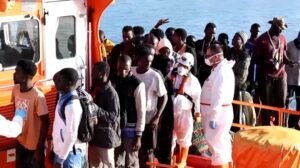
The Atlantic route from West Africa to the Canary Islands is one of the principal migration routes into Spain. Migrants departing from Senegal, The Gambia and other parts of West Africa can face days at sea in small, overcrowded boats, with exposure to rough waters, dehydration and engine failure posing serious risks.
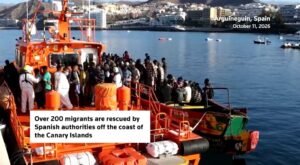
The latest arrivals again highlight the humanitarian challenges facing Spanish authorities and aid organisations, which must provide immediate medical assistance, identify minors and arrange reception for people arriving after dangerous sea crossings.
While many people reach the islands alive, the journey remains perilous. Spanish authorities and humanitarian organisations continue to respond to repeated arrivals, with the condition of passengers and the needs of women and children among the key concerns after each landing.