
International
US Supreme Court Weighs Whether Local Governments Can Sue Oil Companies Over Climate Change

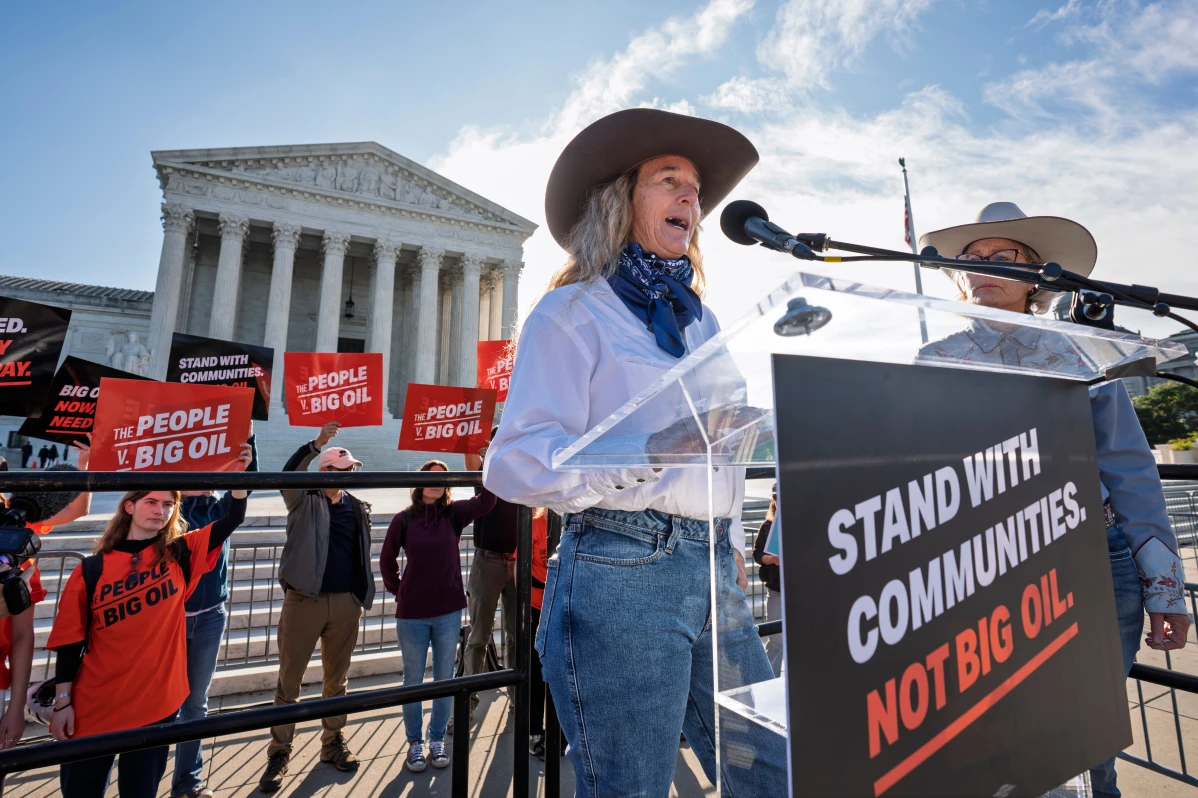
The US Supreme Court has begun considering whether state and local governments can use state law to sue oil and gas companies for costs they say are linked to climate change, in a case that could affect dozens of similar lawsuits across the country.
The case, Suncor Energy (U.S.A.) Inc. v. County Commissioners of Boulder County, involves the city and county of Boulder, Colorado, and energy companies ExxonMobil and Suncor Energy. Boulder filed the lawsuit in 2018, accusing the companies of contributing to climate change while concealing or misleading the public about the risks associated with fossil fuels.
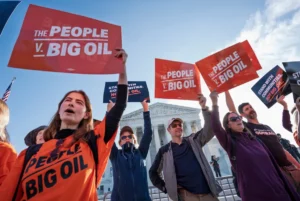
Boulder is seeking compensation for climate-related costs, including damage associated with wildfires, floods and other impacts. The local governments argue that worsening climate-related disasters are placing an increasing financial burden on communities and taxpayers.
The case reached the Supreme Court after the Colorado Supreme Court ruled in 2025 that federal law did not prevent Boulder’s claims from proceeding under state law. ExxonMobil and Suncor appealed, arguing that climate change and greenhouse-gas emissions are matters governed by federal law and cannot be addressed through state-law lawsuits.
During oral arguments on Monday, October 5, several justices questioned both sides about the potential consequences of their positions.
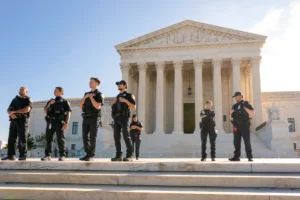
Chief Justice John Roberts raised concerns that allowing Boulder to proceed could encourage municipalities across the country to bring similar lawsuits. Justice Brett Kavanaugh also questioned the potentially enormous financial consequences for oil companies and other businesses.
The companies maintain that the Clean Air Act gives the federal government authority over greenhouse-gas emissions and that state lawsuits could effectively impose local rules on a global industry. The Trump administration has backed the companies’ position, arguing that the lawsuits attempt to regulate emissions through state law.
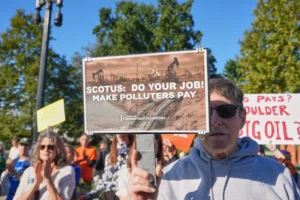
Boulder’s lawyer, Kevin Russell, countered that the lawsuit is not an attempt to regulate or prohibit fossil-fuel production. Instead, he argued that the local governments are seeking damages for alleged misconduct and harm within Colorado.
Justice Elena Kagan compared the case with earlier lawsuits brought by states and local governments against tobacco companies and opioid manufacturers, where governments sought to recover costs associated with alleged corporate misconduct.
Another important issue before the court is whether it is too early for the justices to decide the dispute. Justice Ketanji Brown Jackson questioned whether the Supreme Court should wait until state courts have completed more of their proceedings. Such an approach could allow the case to continue without the court immediately resolving all of the broader legal questions.
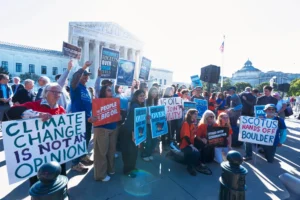
Justice Samuel Alito did not participate in the arguments after recusing himself from the case. His absence leaves eight justices to decide the matter and raises the possibility of a 4-4 tie. If that happens, the Colorado Supreme Court’s ruling allowing Boulder’s case to proceed would remain in place, without establishing a nationwide Supreme Court precedent.
The Boulder case is part of a much broader wave of climate litigation. State and local governments across the United States have brought lawsuits against fossil-fuel companies seeking damages connected to rising temperatures, wildfires, flooding, sea-level rise and other climate-related impacts. The companies have consistently argued that such claims belong in federal court or should be barred by federal law.
The Supreme Court’s eventual decision could therefore determine whether many of those cases can move forward. A ruling against Boulder could significantly restrict state and local climate lawsuits, while allowing the case to proceed could leave a legal pathway open for governments seeking compensation from fossil-fuel companies.
The court did not issue a ruling immediately after Monday’s arguments. A decision is expected later in the Supreme Court’s term.