
International
Brazil Votes in High-Stakes Presidential Election as Lula Faces Flávio Bolsonaro

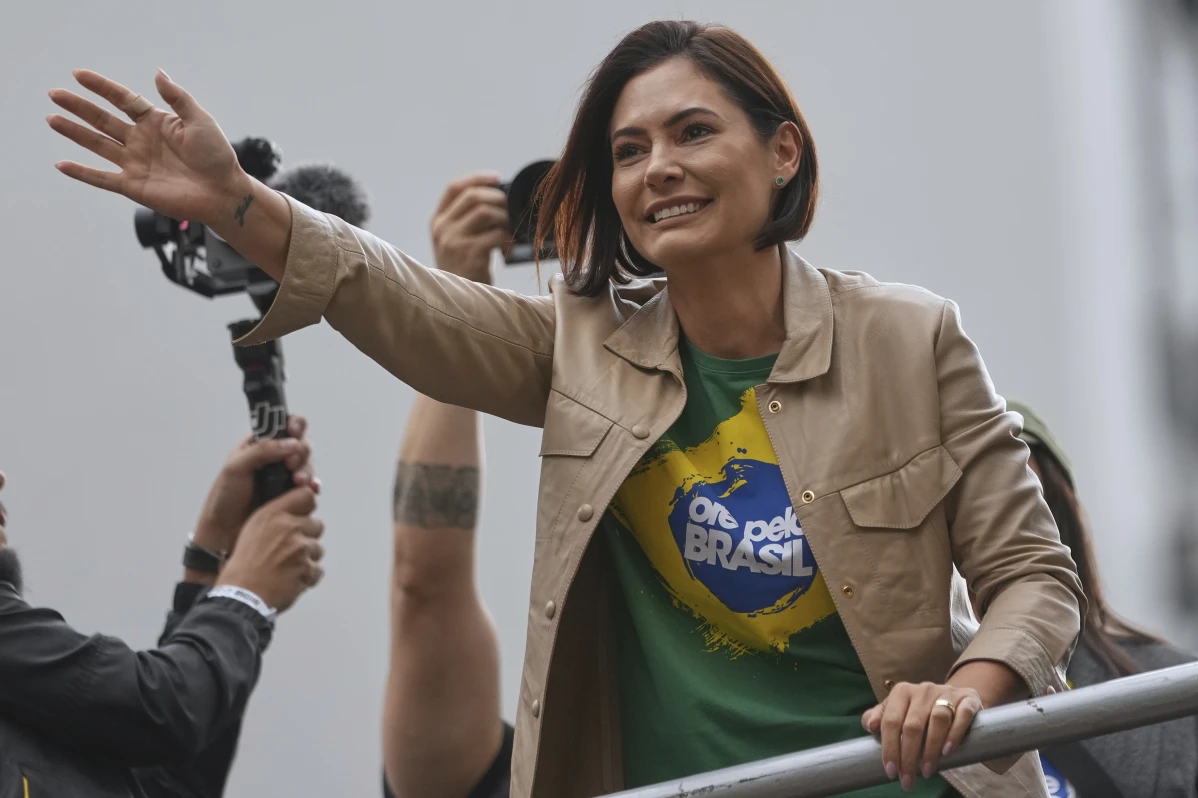
Brazilians are heading to the polls on Sunday to choose their next president in a closely contested election pitting incumbent Luiz Inácio Lula da Silva against Senator Flávio Bolsonaro, the son of former president Jair Bolsonaro.
About 158.7 million voters are eligible to participate in the first round of the election, which will also determine governors, senators and members of the federal and state legislatures. Voting is scheduled to run from 8 a.m. to 5 p.m. Brasília time.
Lula, 80, is seeking a fourth, non-consecutive term as president. His main challenger, Flávio Bolsonaro, 45, is seeking to extend the political influence of his father, Jair Bolsonaro, who is serving a 27-year prison sentence after being convicted in connection with an attempted coup.
The election has been marked by deep political polarisation, with voters divided over the economy, public security, social policies, Brazil’s international relations and the country’s direction.
Recent opinion polls have shown a tight contest between Lula and Flávio Bolsonaro. A UOL poll aggregator put Lula ahead in first-round voting intentions, while individual surveys from Datafolha and Quaest showed the two candidates within the margin of error.
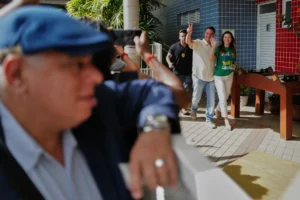
Lula voted earlier Sunday at a school in São Bernardo do Campo, outside São Paulo. After casting his ballot, he said he was confident of securing an outright victory and urged Brazilians aged over 70, who are not required to vote, to participate.
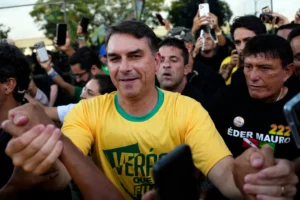
Flávio Bolsonaro also cast his ballot in Brasília and is monitoring the vote count with his family.

Brazil’s electoral authorities have reported that voting has generally proceeded normally. Heavy rain and power outages caused some disruptions in Paraná, but Superior Electoral Court President Kassio Nunes Marques said the process was largely running normally and transparently.
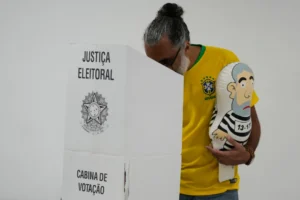
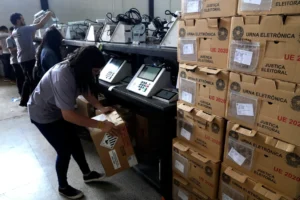
The election is being conducted using Brazil’s electronic voting system, which has remained a major feature of the country’s elections. Voters are also choosing representatives at several levels of government, making Sunday’s vote one of the country’s largest electoral exercises.
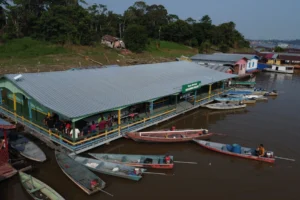
Women make up 52.84% of Brazil’s registered electorate, according to the Superior Electoral Court, giving female voters a significant presence in the contest. Public security, violence against women, the economy, environmental policy and Brazil’s position in international affairs have all featured prominently in the campaign.
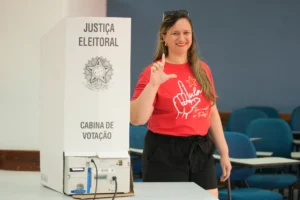
Lula has campaigned on social programmes, economic policies and Brazilian sovereignty, while Flávio Bolsonaro has emphasised public security, conservative values and closer relations with the United States. The two campaigns have also been shaped by the wider political legacies of Lula and Jair Bolsonaro.
If no presidential candidate receives more than 50% of the valid votes, the two leading candidates will face each other in a second-round runoff on October 25. A similar runoff system applies to gubernatorial races where no candidate obtains the required majority.
The outcome will determine the political direction of Latin America’s largest economy for the next four years and could also influence Brazil’s approach to environmental policy, social spending, security and its relationships with the United States, China and other major powers.
Vote counting is expected to begin after polling stations close, although voters still waiting in line at the official closing time will be allowed to cast their ballots.