
International
Housing Crisis Pushes Spain to Early Election as Sánchez Dissolves Parliament

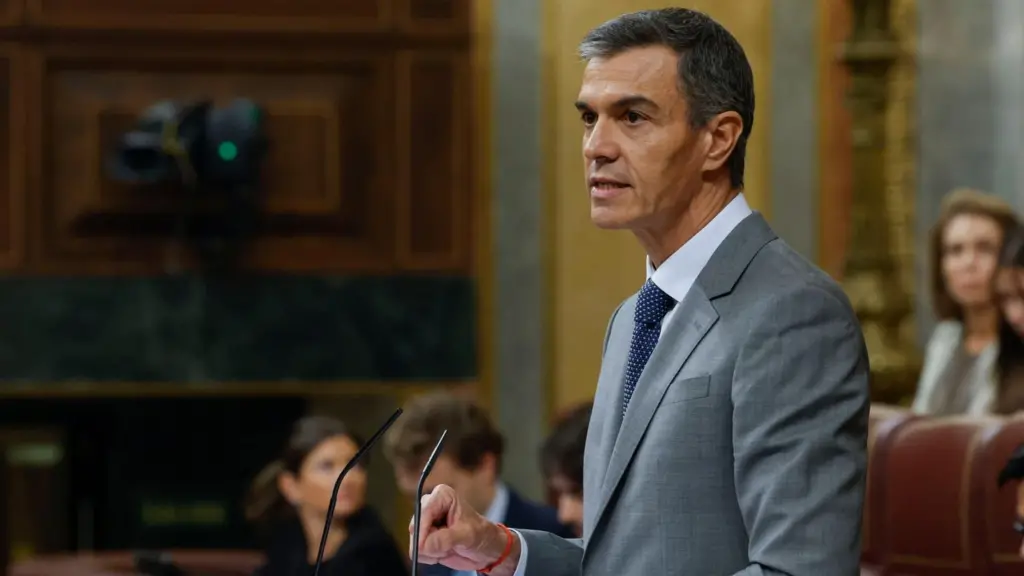
Spanish Prime Minister Pedro Sánchez has called an early general election for November 29, bringing forward Spain’s national vote after his minority government suffered a parliamentary defeat over emergency measures aimed at addressing the country’s housing crisis.
Sánchez announced the election on Monday after Parliament rejected two government decrees last Friday that sought to strengthen protections for renters and vulnerable tenants and introduce measures aimed at curbing speculation in the housing market.

The measures were defeated as Sánchez’s Socialist-led government struggled to secure sufficient support in the fragmented Congress. The rejection intensified pressure on the prime minister, who had spent the weekend consulting ministers and Socialist Party leaders about whether to continue the legislature or seek a new mandate.

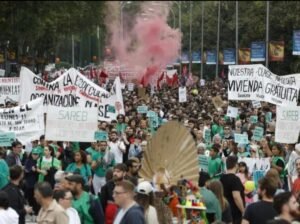
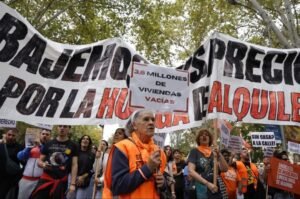
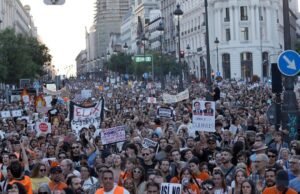
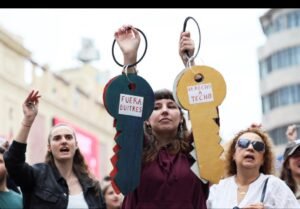
The housing dispute has also triggered large demonstrations across Spain. Tens of thousands of people took to the streets in Madrid and other cities on Saturday demanding more affordable housing, stronger protection for tenants and government action to tackle rising rents.
The protests followed growing public anger over the eviction of an 87-year-old woman, María del Carmen Abascal, from her Madrid home after she had lived there for decades. Her eviction became a focal point of the wider campaign over housing affordability and protection for vulnerable tenants.
Sánchez’s government had introduced the emergency measures in response to the housing crisis. They included extending protections against evictions, regulating temporary and room rentals, restricting certain speculative purchases and extending some existing rental contracts. Spain’s government had described the package as an urgent response to growing housing pressures.
The defeat came despite Sánchez’s recent emphasis on expanding affordable and public housing. In September, his government said its national housing plan for 2026-2030 had been allocated €7 billion and highlighted efforts to expand Spain’s public housing stock.
The prime minister had previously indicated that he intended to complete the current parliamentary term, which was due to run until 2027. The decision to call an early election therefore ends the legislature ahead of schedule.
Under Spain’s electoral law, an early dissolution of Parliament requires the election to take place 54 days after the election decree is issued and published. November 29 is therefore the earliest date available following Sánchez’s decision.
The election will determine the composition of Spain’s next Congress and Senate and could reshape the country’s governing alliances. Sánchez has led a minority government that has depended on support from several parties to pass legislation.
The coming campaign is expected to put housing, the cost of living, government stability and the country’s political direction at the centre of debate. Parties across the political spectrum are now preparing for the November vote.
The election will be Spain’s first national ballot since Sánchez secured another term as prime minister in 2023 after negotiating parliamentary support from several parties.