
International
New York Freezes Rent for One Million Apartments in Major Victory for Mayor Mamdani

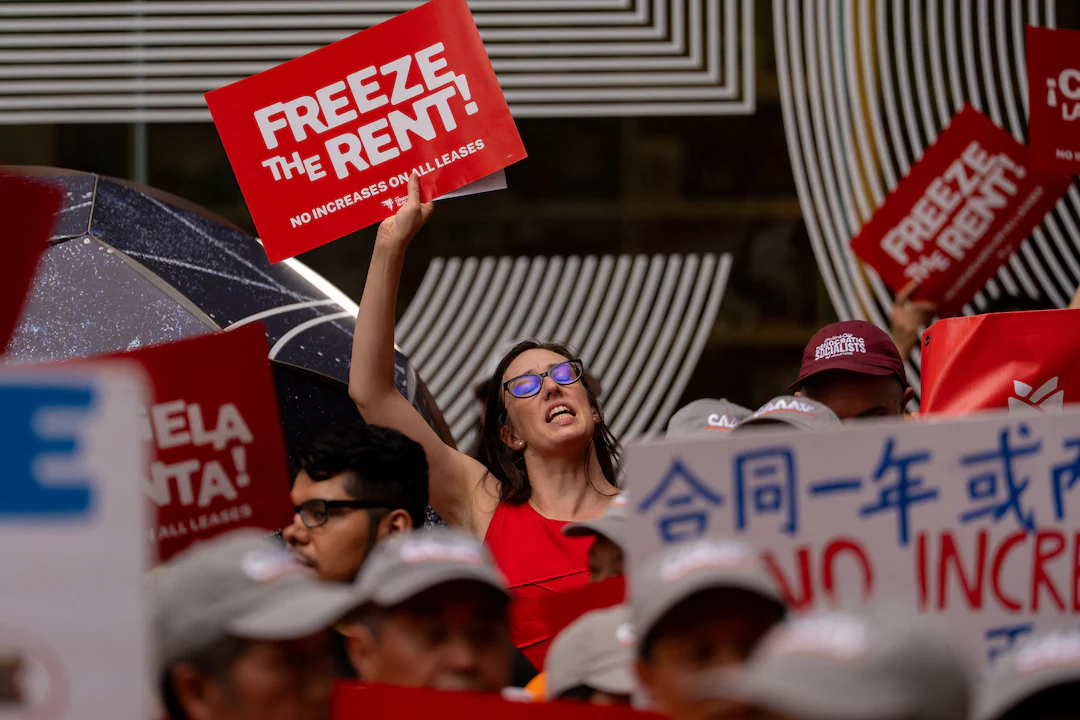
New York City has approved a historic rent freeze affecting approximately one million rent-stabilized apartments, delivering one of the most significant political victories of Mayor Zohran Mamdani’s administration and fulfilling a central promise from his election campaign. The decision is expected to impact more than two million residents across the city’s five boroughs.
The city’s Rent Guidelines Board voted 7-1 to freeze rent increases on both one-year and two-year lease renewals beginning October 1, 2026. The move means tenants living in rent-stabilized apartments will not face any rent hikes during the covered period, despite rising living costs across the city.
The decision marks a major milestone for Mamdani, who campaigned heavily on a pledge to “freeze the rent” as part of a broader effort to tackle New York’s affordability crisis. Since taking office in January, the progressive mayor has focused on policies aimed at reducing housing costs and easing financial pressure on working-class residents.
Speaking after the vote, Mamdani described the outcome as a “historic victory” for tenants and argued that the measure would provide much-needed relief for families struggling with inflation, transportation costs, and other household expenses. The mayor also pledged to continue pursuing affordable housing initiatives and measures to lower building operating costs.

The rent freeze applies to New York City’s vast stock of rent-stabilized housing, which accounts for roughly 40 percent of the city’s rental apartments. According to data reviewed by the Rent Guidelines Board, the average monthly rent for a regulated apartment is about $1,600, significantly below the nearly $4,000 median rent for newly leased market-rate apartments in the city.
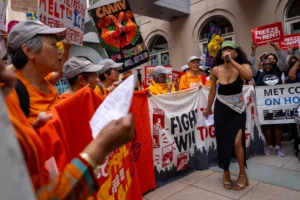
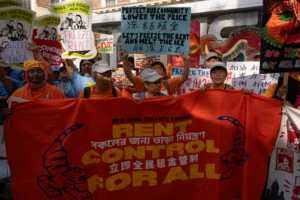
Tenant advocacy groups and housing activists welcomed the decision, describing it as a crucial intervention at a time when many New Yorkers are struggling to keep up with the cost of living.
Hundreds of tenants reportedly gathered during the board’s final meeting, cheering and celebrating after the vote was announced. Supporters argued that wage growth has not kept pace with rising expenses and that many households were facing increasing financial issues.
Housing advocates also emphasized that the freeze could help prevent displacement and reduce the risk of eviction among low- and middle-income residents.
The decision has sparked strong opposition from landlord organizations and property owners, many of whom argue that a rent freeze ignores rising operating costs, including property taxes, insurance premiums, utilities, and maintenance expenses.
Critics contend that preventing rent increases could make it more difficult for building owners to maintain aging properties, meet mortgage obligations, and fund repairs. Some industry groups have warned that the policy could result in financial strain for smaller property owners and may ultimately reduce investment in the city’s housing stock.
The controversy intensified hours before the vote when Rent Guidelines Board member Christina Smyth resigned in protest. Smyth accused the board of becoming politically influenced and claimed the outcome had effectively been decided in advance. City officials and board leadership rejected those allegations, insisting that the process remained independent and data-driven.
Legal experts and landlord groups have suggested that court challenges could follow, arguing that the board may have failed to adequately consider economic conditions affecting property owners. While no formal lawsuit has yet been announced, industry organizations have indicated they are exploring their options.
Despite the criticism, the vote represents one of the most consequential housing policy decisions in recent New York history and underscores the growing political influence of tenant advocacy movements in the city.
For millions of New Yorkers living in rent-stabilized housing, the freeze offers immediate financial certainty at a time when housing affordability remains one of the city’s most pressing challenges.